2025 Driver Education Round 3
A Life Lost, A Lesson Remembered
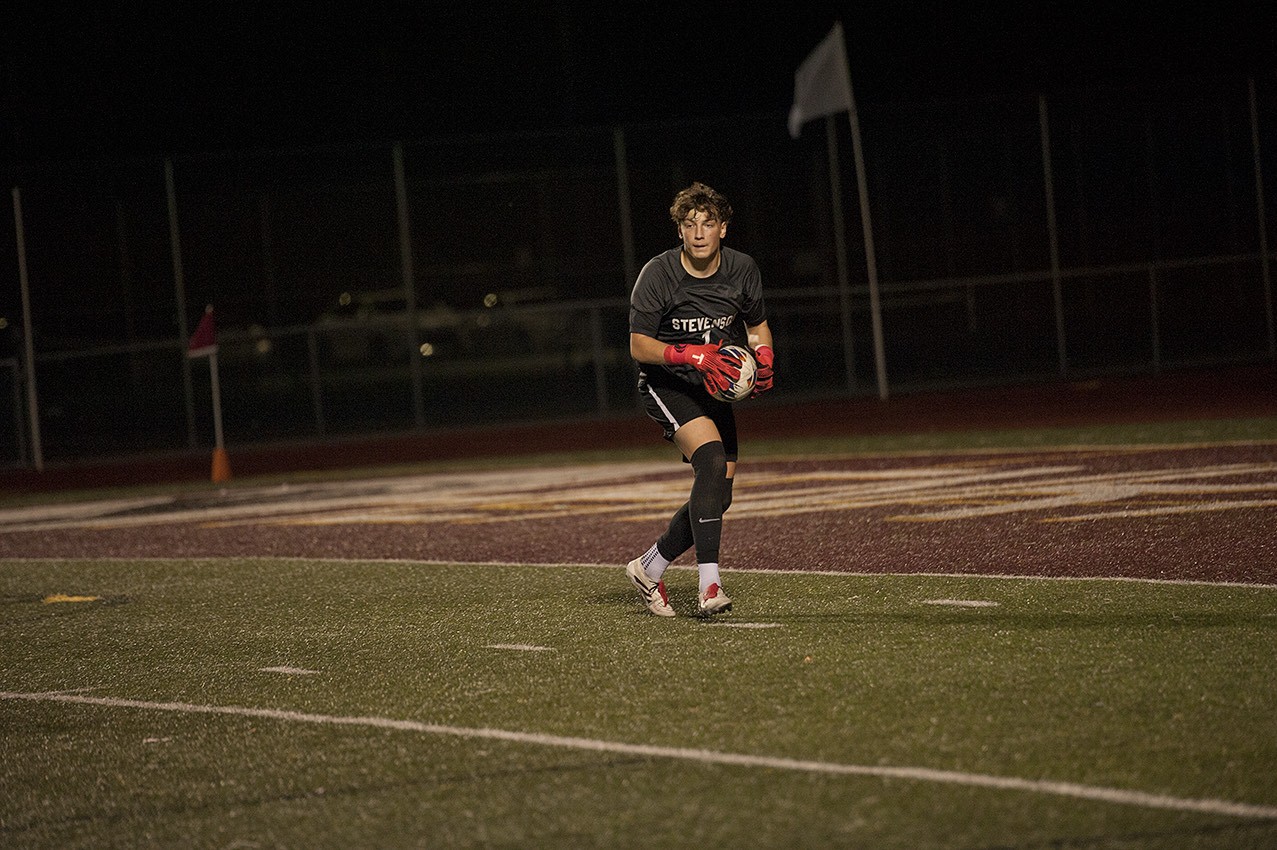
Antoni Zajac
Sterling Heights, Michigan
There have been many stories about teenagers that make you wonder, “What were they thinking?” All too often, these stories involve a car. Situations like these tend to occur because of carelessness or an underestimation of the possible consequences. In many cases, the decisions that lead to tragedy are made in an instant—without realizing that those few seconds can change everything. Fortunately, there are many safety programs available that teach teenagers about the dangers of impaired driving and the risks associated with reckless behavior on the road. However, education can only go so far; the real difference comes when young drivers choose to apply those lessons in their daily lives.
To me, impaired driving refers to being under the influence of a substance that alters the way a person normally drives, or when one’s ability to operate a vehicle safely is otherwise affected. It doesn’t necessarily mean being drunk or high—it can also include driving while extremely tired, distracted by friends, or emotionally upset. Any time your judgment or reaction time is altered, your driving is impaired. Choosing to get behind the wheel in that state is one of the worst decisions a person can make. It not only endangers the driver, their friends, and their passengers, but also everyone else sharing the road. It has the potential to destroy lives—either by harming someone else or by putting one’s own life at risk. Driving requires full attention, and even a moment of distraction or impairment can have irreversible consequences.
I have heard many heartbreaking stories about teens losing their lives due to drunk driving or distracted driving. Sadly, these stories are often about good people who made a single bad choice—or who were victims of someone else’s. One experience that had a lasting impact on me involved someone from my church community. There was a young man I didn’t know personally, but I saw him every Sunday. He was kind, respectful, and always seemed to have a positive attitude. One morning, while driving to work, he was struck and killed by a driver who was impaired. His death deeply affected everyone at our church, and attending his funeral was one of the most humbling and emotional experiences of my life.
Witnessing the grief and heartbreak of his family and friends was a sobering reminder of how fragile life can be. The church was filled with people—some crying quietly, others holding one another for comfort. I remember seeing his parents sitting near the front, their faces filled with disbelief and pain. That image will stay with me forever. I was only in sixth grade at the time, but that experience changed the way I viewed driving long before I ever sat behind the wheel. To this day, whenever I’m in the car with friends and feel pressured to take risks, I think back to that moment. I remember how quickly one careless decision by a stranger took away someone who meant so much to so many people. It reminds me to make responsible choices and to never underestimate the dangers of impaired driving. Even though he did nothing wrong, someone else’s poor decision cost him his life.
I believe that driving schools play an important role in helping young people understand just how serious driving is. During my first day of driving class, our instructor showed us several videos of real-life accidents involving teens our age. The videos included interviews with parents, friends, and survivors who spoke about the lasting pain those moments caused. It was impossible to watch without feeling emotional. When the lights came back on, the classroom was silent. That silence said more than words ever could—it was the sound of realization. Those videos showed that driving is not a casual activity; it is a major responsibility that requires maturity, patience, and focus.
Since then, I have made it my personal goal to be a safe and responsible driver. I am careful about who I allow in my car and make sure I can trust and feel comfortable with my passengers. If I don’t know someone well, I prefer not to drive them, because distractions can easily lead to danger. I also make it a point to avoid substances—not only for my health and athletic performance but for my own dignity and peace of mind. Staying sober and alert behind the wheel is one of the simplest ways to protect myself and others. It’s also a way to honor those who have lost their lives because of someone else’s carelessness.
Impaired driving is not just a personal mistake—it is a choice that can change or end lives in an instant. The stories and experiences I’ve witnessed have shown me how important it is to make responsible decisions every time I get behind the wheel. By driving carefully, staying sober, and encouraging others to do the same, I can help prevent tragedies like the one that affected my community. Safe driving is more than following rules; it is a way to protect the people we love and to respect the lives of others on the road. Every decision matters, and one small choice can make all the difference between life and loss.
...
Content Disclaimer:
Essays are contributed by users and represent their individual perspectives, not those of this website.



3 votes
An accident that made me aware that also time and impatience can be impairement
Karin Deutsch


