2025 Driver Education Round 3
A Split- Second That Changed Everything
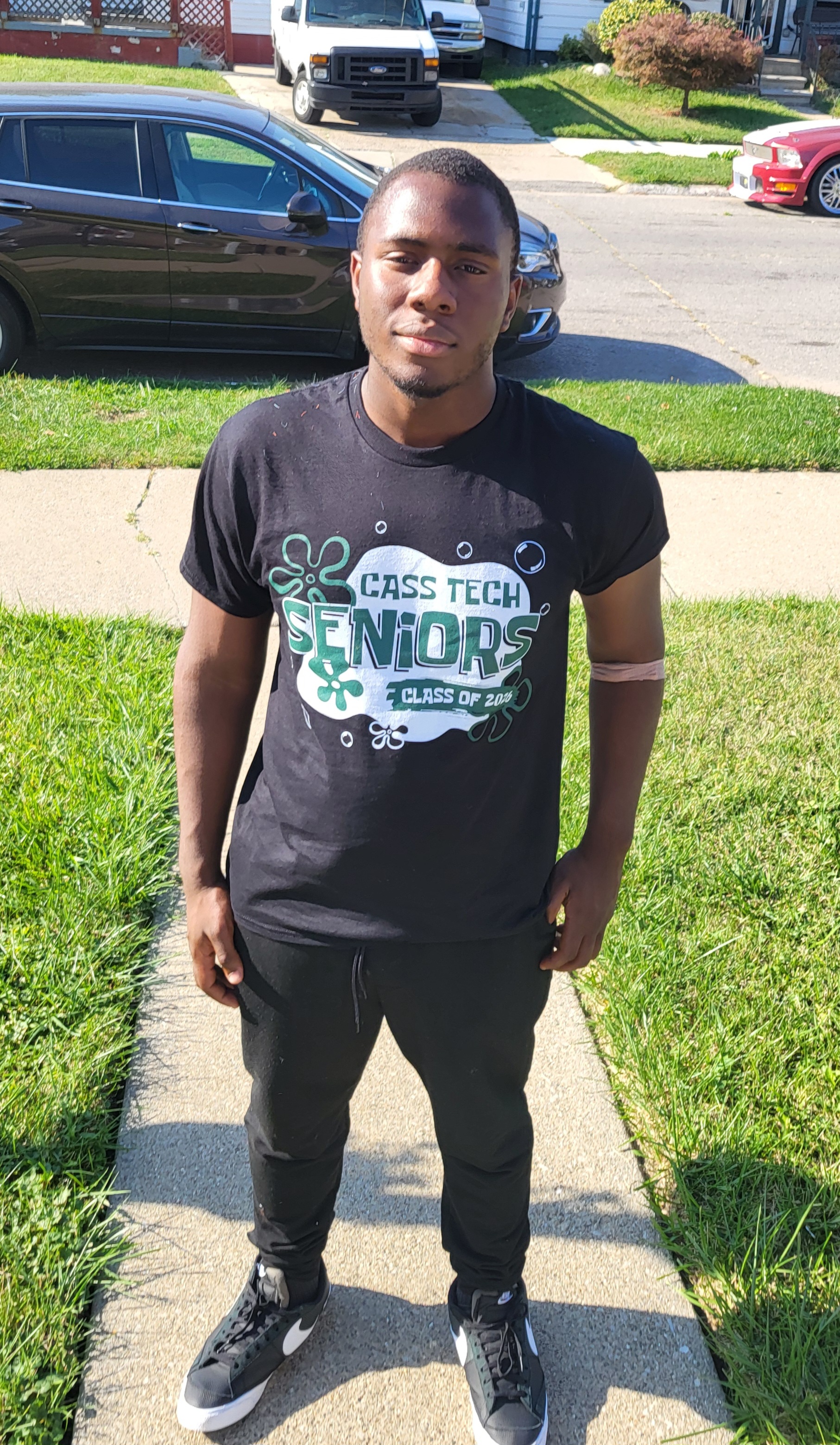
Jaiden Nedd
Detroit, Michigan
The last thing most people expect is that an ordinary moment could change
their life forever. It’s never the big, dramatic things we see in movies, it’s
the small, silent split-second decisions we hardly notice. One text. One
vibration. One call. One careless glance down at a glowing screen. For many drivers, that moment of impaired judgment becomes the differenc between living and never making it home. Texting behind the wheel doesn’t just distract you, it impairs your ability to think, react, and stay in control. It isn’t just a mistake; it’s a moment that steals futures. And this is the reason a
scholarship like these matters — because awareness saves lives.
Impaired driving is often described in simple terms: drunk driving, drugged
driving, or driving while tired. But to me, impaired driving means any moment when a driver’s mind, eyes, or hands are not fully on the task of driving. It is any choice that steals focus from the road—whether through alcohol, drugs, distraction, or even over confidence. I learned this definition the hardest way possible: through an accident that could have taken my mother’s life, and mine.
It was a cold January day in 2019, that seemed completely ordinary. My mom had just picked me up from school, and she had a few errands to run. I settled into the back seat of her Kia Soul, put on my headphones, and pulled out my
phone. While she talked to me about school and grades, I half-listened,
offering the occasional “uh-huh” or “okay” while scrolling through social
media. Outside, daylight disappeared quickly the way it always does in
Michigan winters. By 6 p.m. the sky looked like midnight, and the roads
were lined with snow and ice.
My mom pointed out distracted drivers and warned me that when I started
driving, I needed to keep my eyes on the road. I nodded, but honestly, I
wasn’t really listening. I was in my own zone with my music and phone.
Ten minutes from home, I started to drift to sleep when I suddenly heard my
mom scream, Jaiden. The car spun violently, tossing us around like clothes
in a dryer. When we finally stopped, we were on someone’s front lawn, just
inches from their doorstep. An oncoming car had slammed into us. The driver had been speeding, driving with no headlights, and looking down at
his phone as he blew through a stop sign.
I was in shock, I couldn’t speak. My mom’s airbags had deployed, and the passenger side of our car was crushed inward. Strangers ran to help, shouting, “Are you okay?” A young man stood at my mom’s window apologizing over and over. “I only looked down for a split second… I didn’t see you… the road was
slippery… I’m so sorry.”
He was impaired—not by alcohol, but by distraction.
The police and ambulance arrived, I remember Officer Hunter helped me out of the car and into the cold night air. I stood there in pain, I limped to the ambulance with the assistance of the Officer holding my right side up. My mom and I were taken to the hospital. We suffered minor injuries and contusions. After months of physical therapy, we recovered physically, but the emotional impact never left me. The police confirmed what we already knew: the crash was caused by an impaired and distracted driver.
That night changed my entire mindset. Before the accident, I thought
distracted driving was something adults exaggerated. Now I understand
how dangerous one glance at a phone can be. According to national safety
organizations, texting while driving is six times more likely to cause a crash
than drunk driving, because taking your eyes off the road for even three
seconds is long enough to travel the length of a football field.
As a new driver myself, I made a promise: when I’m behind the wheel, my
phone goes out of reach. I want to protect not only myself but everyone
around me. No message is worth a life.
My experience has also made me realize the importance of driver’s education and traffic safety courses. These programs don’t just teach the rules of the road; they change attitudes and behaviors. When students learn real statistics, hear survivor stories, and watch simulations of impaired driving crashes, the lessons become personal and unforgettable. Effective programs connect the classroom to real-world situations, helping teens understand the weight of responsibility that comes with a driver’s license.
I believe driver education should be a required class in high school for all
juniors and seniors. Too many young drivers underestimate the dangers of
distraction. If students were required to learn early, and repeatedly about
the consequences of impaired driving, more lives could be saved.
My role now is to speak out. I talk to my friends about the dangers of
texting behind the wheel, even when they roll their eyes or insist they are
“good enough” to multitask. I explain what happened to my mom and me,
and I tell them about the young man who apologized through my mom’s
shattered window, terrified that his one mistake could have taken our lives.
My story gives me a voice. My experience gives me purpose. And my
commitment to safe driving gives me the power to influence others. If sharing what happened to me encourages even one person to put their phone down, then I am already making a difference.
Impaired driving is preventable, and my goal is to help others understand
that every choice behind the wheel matters. By spreading awareness,
modeling safe behavior, and supporting strong driver education programs, I
can play a part in making our roads safer for everyone.
Content Disclaimer:
Essays are contributed by users and represent their individual perspectives, not those of this website.


3 votes
An accident that made me aware that also time and impatience can be impairement
Karin Deutsch