2025 Driver Education Round 3
Beyond Drunk Driving: The Hidden Dangers of Everyday Impairment
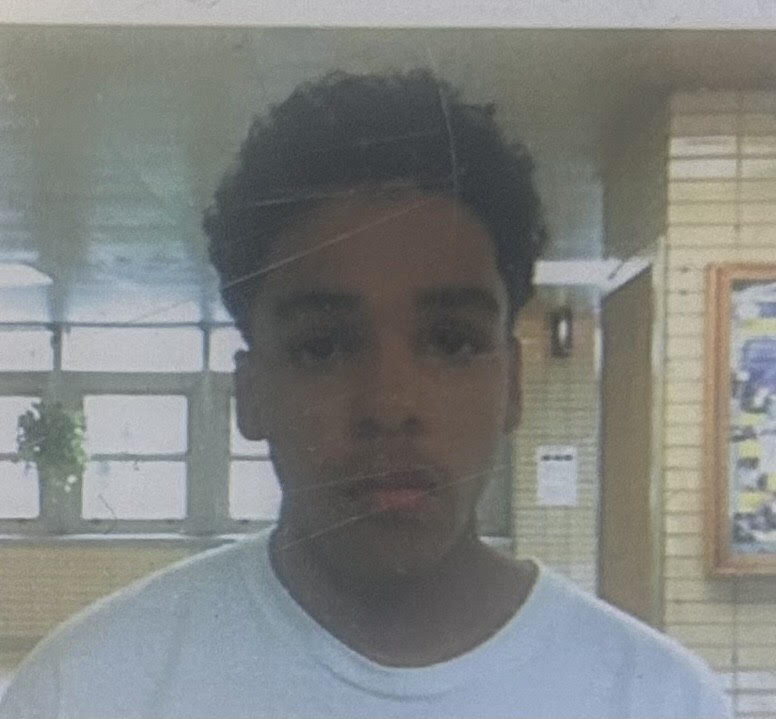
Jayden Almonte
New York City, New York
To me, "impaired driving" means operating a vehicle when your ability to think clearly, react quickly, or stay focused is weakened by something-whether that's alcohol, drugs, texting, or even being too tired. A lot of people misunderstand the term because they imagine it only refers to someone who is obviously drunk or stumbling. Even people who've gone through driver's education or traffic school sometimes believe that if they "feel fine," then they must be safe to drive. But impairment isn't always dramatic or easy to recognize; it can be subtle, creeping in through distraction, overconfidence, or the belief that "just this once" won't matter. That kind of thinking is precisely what makes impaired driving so dangerous: it convinces people they're the exception, when in reality, no one is immune to the risks.
Today, the most common forms of impairment extend well beyond alcohol. One of the major culprits, particularly for young drivers, is texting and phone use. People drive around as if the act of driving were a secondary activity that doesn't require their full attention-especially when they think they're only looking away for one second. Still, in that one second, a driver can miss a stop sign, drift into another lane, or fail to notice a pedestrian stepping off the curb. The speed at which accidents happen leaves absolutely no room for distraction, and yet many drivers act like they have all the time in the world to correct a mistake.
Fatigue is another form of impairment that is too frequently minimized or disregarded. When a person becomes exhausted, reaction time is significantly delayed, judgment is impaired, and a driver may fall asleep at the wheel without even realizing it. Most people underrate how perilous drowsy driving is because it doesn't seem as dangerous-it's just fatigue, after all, and who hasn't been tired? But it can be equally deadly because it impacts the brain in the same manner and reduces alertness, impairs decision-making, and increases the inability to respond rapidly and rationally. A tired driver might not realize just how incapacitated they actually are until something does go wrong.
Drugs-whether recreational, prescription, or over-the-counter-also contribute to impaired driving in ways that many drivers don't anticipate. Some medications that are available by prescription cause drowsiness or blurred vision. Others slow coordination or make it difficult to concentrate. A person might assume that because a medication is legal or doctor-prescribed, it can't affect their ability to drive. Unfortunately, that assumption can lead to serious consequences. Impairment isn't limited to illegal substances; it includes anything that interferes with a person's ability to operate a vehicle safely. All of these impairments have one thing in common: they reduce a driver's ability to make safe decisions in unpredictable situations-a very dangerous reality when you consider how fast things can change on the road.
A story that really changed my perspective about impaired driving was about a friend of my older cousin. He had always been very confident on the road, that kind of guy who insisted he was “good at multitasking.” He had been driving for years with basically no huge issues and thought he knew his limits more than anyone else. One night, on his way home after hanging out with friends, he checked a text message. To him, it wasn't a big deal. It was only a few seconds, and he had himself convinced that he could handle it. But in those seconds, he swerved and hit a parked car. Nobody died, but he broke his wrist, totaled his car, and ended up having to pay serious fines and insurance consequences. More importantly, he later said the crash terrified him. It forced him to conclude that no amount of confidence or experience can protect someone from the danger created by even one careless decision. Actually, the reason that story meant so much to me is because I heard it from someone close to me. Impaired driving felt personal and real. It helped me understand that danger doesn’t always look like someone stumbling drunk—it can look like a normal person with good intentions who makes one wrong choice. Driver's education and traffic school programs can make a tremendous difference, as they give people the knowledge and perspective to understand these dangers before they experience them personally. The most effective programs go beyond teaching rules and statistics; instead, they immerse students in real stories, DUI simulations, and conversations with people who have been directly affected by impaired driving. When students see the emotional weight of someone's experience, the message becomes much more than a lesson-it becomes something memorable and human. These programs also help students develop practical habits that prevent impairment, such as putting their phone in the glove compartment, planning a designated driver, checking how medications affect driving, or recognizing when fatigue means pulling over. More than anything, these programs encourage young drivers to think ahead, take responsibility, and understand that the choices they make on the road have the power to affect many lives. On a personal level, I believe I can play a role in preventing impaired driving by being intentional and vocal about safety. This means committing to never drive under the influence of alcohol or drugs, and refusing to let texting, scrolling, or any other distraction take my attention off the road. It also means speaking up when I'm in the passenger seat-even if it feels uncomfortable. Some of the hardest conversations to have are the ones where you tell a friend, "Hey, I don't think you should drive right now," or "Can you put your phone down?" But those conversations could be the ones that prevent a tragedy. I also know that leading by example matters. If other people see me making thoughtful, safe choices, they may feel encouraged to do the same. Responsibility is contagious, just like recklessness can be. I want to contribute to a culture where safety is the expectation, not an exception. Impaired driving is preventable, but it does take awareness, responsibility, and the readiness to put safety above inconvenience or pride. It is this realization-that one moment of impairment can alter the course of a lifetime-that will very much affect how I approach driving from now on. I want to be that kind of driver-and that kind of friend-who opts for caution, who can speak up, and who recognizes that every decision behind the wheel carries weight. By doing so, I hope I can help in my own small way in making the roads a safer place for one and for all.
Today, the most common forms of impairment extend well beyond alcohol. One of the major culprits, particularly for young drivers, is texting and phone use. People drive around as if the act of driving were a secondary activity that doesn't require their full attention-especially when they think they're only looking away for one second. Still, in that one second, a driver can miss a stop sign, drift into another lane, or fail to notice a pedestrian stepping off the curb. The speed at which accidents happen leaves absolutely no room for distraction, and yet many drivers act like they have all the time in the world to correct a mistake.
Fatigue is another form of impairment that is too frequently minimized or disregarded. When a person becomes exhausted, reaction time is significantly delayed, judgment is impaired, and a driver may fall asleep at the wheel without even realizing it. Most people underrate how perilous drowsy driving is because it doesn't seem as dangerous-it's just fatigue, after all, and who hasn't been tired? But it can be equally deadly because it impacts the brain in the same manner and reduces alertness, impairs decision-making, and increases the inability to respond rapidly and rationally. A tired driver might not realize just how incapacitated they actually are until something does go wrong.
Drugs-whether recreational, prescription, or over-the-counter-also contribute to impaired driving in ways that many drivers don't anticipate. Some medications that are available by prescription cause drowsiness or blurred vision. Others slow coordination or make it difficult to concentrate. A person might assume that because a medication is legal or doctor-prescribed, it can't affect their ability to drive. Unfortunately, that assumption can lead to serious consequences. Impairment isn't limited to illegal substances; it includes anything that interferes with a person's ability to operate a vehicle safely. All of these impairments have one thing in common: they reduce a driver's ability to make safe decisions in unpredictable situations-a very dangerous reality when you consider how fast things can change on the road.
A story that really changed my perspective about impaired driving was about a friend of my older cousin. He had always been very confident on the road, that kind of guy who insisted he was “good at multitasking.” He had been driving for years with basically no huge issues and thought he knew his limits more than anyone else. One night, on his way home after hanging out with friends, he checked a text message. To him, it wasn't a big deal. It was only a few seconds, and he had himself convinced that he could handle it. But in those seconds, he swerved and hit a parked car. Nobody died, but he broke his wrist, totaled his car, and ended up having to pay serious fines and insurance consequences. More importantly, he later said the crash terrified him. It forced him to conclude that no amount of confidence or experience can protect someone from the danger created by even one careless decision. Actually, the reason that story meant so much to me is because I heard it from someone close to me. Impaired driving felt personal and real. It helped me understand that danger doesn’t always look like someone stumbling drunk—it can look like a normal person with good intentions who makes one wrong choice. Driver's education and traffic school programs can make a tremendous difference, as they give people the knowledge and perspective to understand these dangers before they experience them personally. The most effective programs go beyond teaching rules and statistics; instead, they immerse students in real stories, DUI simulations, and conversations with people who have been directly affected by impaired driving. When students see the emotional weight of someone's experience, the message becomes much more than a lesson-it becomes something memorable and human. These programs also help students develop practical habits that prevent impairment, such as putting their phone in the glove compartment, planning a designated driver, checking how medications affect driving, or recognizing when fatigue means pulling over. More than anything, these programs encourage young drivers to think ahead, take responsibility, and understand that the choices they make on the road have the power to affect many lives. On a personal level, I believe I can play a role in preventing impaired driving by being intentional and vocal about safety. This means committing to never drive under the influence of alcohol or drugs, and refusing to let texting, scrolling, or any other distraction take my attention off the road. It also means speaking up when I'm in the passenger seat-even if it feels uncomfortable. Some of the hardest conversations to have are the ones where you tell a friend, "Hey, I don't think you should drive right now," or "Can you put your phone down?" But those conversations could be the ones that prevent a tragedy. I also know that leading by example matters. If other people see me making thoughtful, safe choices, they may feel encouraged to do the same. Responsibility is contagious, just like recklessness can be. I want to contribute to a culture where safety is the expectation, not an exception. Impaired driving is preventable, but it does take awareness, responsibility, and the readiness to put safety above inconvenience or pride. It is this realization-that one moment of impairment can alter the course of a lifetime-that will very much affect how I approach driving from now on. I want to be that kind of driver-and that kind of friend-who opts for caution, who can speak up, and who recognizes that every decision behind the wheel carries weight. By doing so, I hope I can help in my own small way in making the roads a safer place for one and for all.
Content Disclaimer:
Essays are contributed by users and represent their individual perspectives, not those of this website.



3 votes
An accident that made me aware that also time and impatience can be impairement
Karin Deutsch