2025 Driver Education Round 3
Beyond the Obvious and What My Grandpa’s Injury Taught Me About Impaired Driving
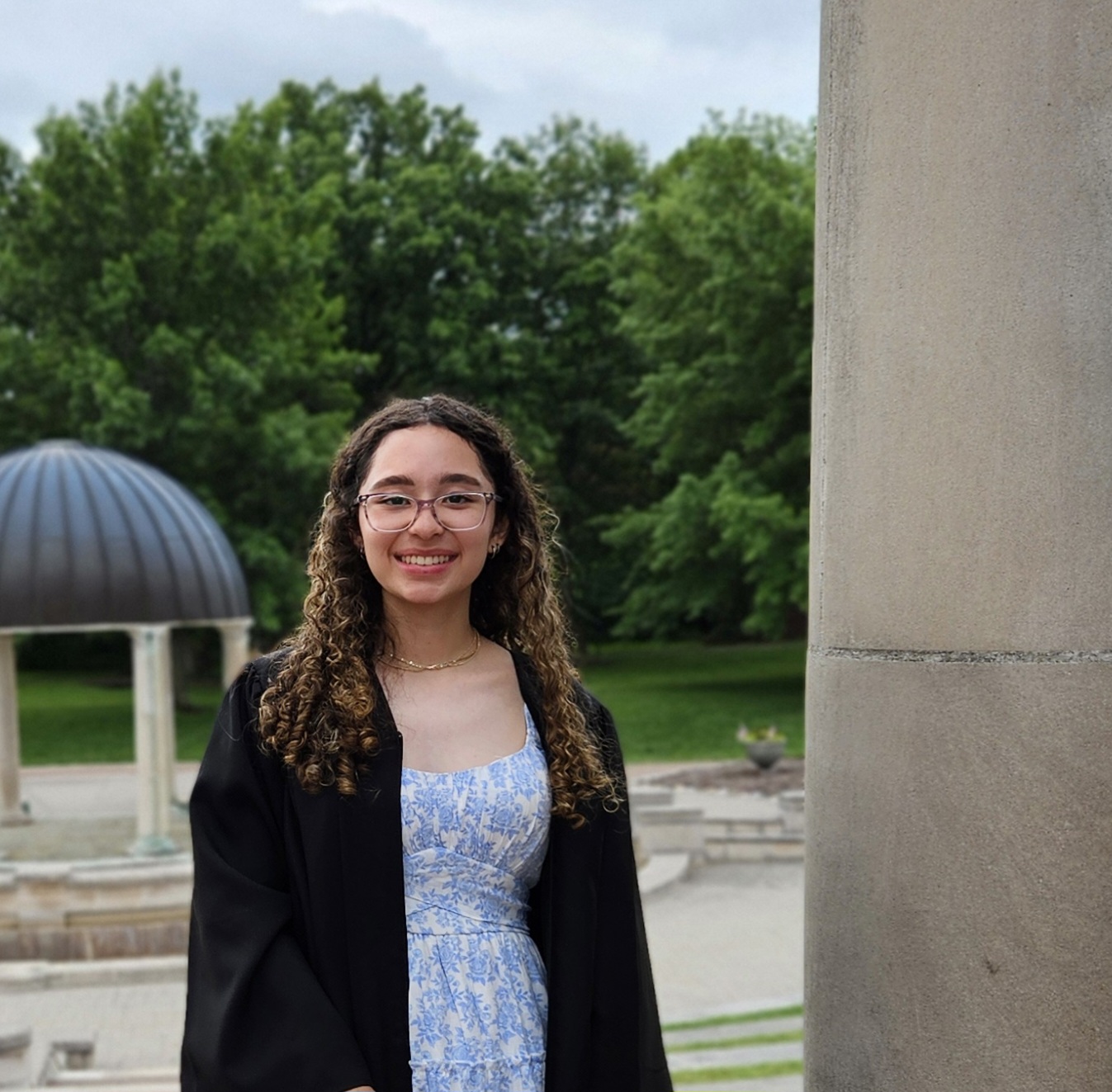
Isabel Aguilar
Goodyear, AZ
When I first learned the term “impaired driving,” I thought only of alcohol. To me, it meant someone had too much to drink and still decided to get behind the wheel. As I grew older, I realized the meaning was much broader and much more personal. Impaired driving is any situation where a driver’s ability to safely control a car is weakened, whether by alcohol, drugs, distractions, fatigue, or even a physical injury. It’s misunderstood because many people, even those who have taken driver’s ed school, tend to think of impairment only in terms of breaking the law. They don’t always think about the smaller, everyday choices, like picking up a phone for a text, driving while exhausted, or even driving with an injury, like my grandpa had to experience.
The moment that changed my understanding happened with my grandpa. He had broken his arm and was in the process of healing it. Although he technically could drive, his arm was still tender to the touch, and he had to be careful with what he picked up or how he moved it. One day, while making a turn, he realized that using his injured arm might risk hurting it more. Instead of steadying the wheel firmly with both hands, he let the car hit the curb hard as it turned. Thankfully, he was okay and kept driving afterward, but I always remembered that accident. At the time, I hadn’t thought of an injury as a form of impairment. But looking back, it’s clear that his ability to control the car was reduced because of his injury. That experience showed me that impairment doesn’t have to involve alcohol or drugs, but anything that limits a driver’s full control of the vehicle. It taught me to think twice about what “safe to drive” really means.
Beyond my grandpa’s story, I’ve seen other examples of impairment around me. Alcohol and drugs are obvious dangers because they slow reaction time, blur judgment, and lower awareness. But distractions from phones are just as serious. I’ve seen people swerve between lanes just because they were glancing down for two seconds. Fatigue is another one that gets overlooked. I know from staying up late for school projects or sports that driving tired feels like driving and not knowing where you are or where you’re going, and it can be just as risky as driving under the influence.
Driver’s education and school driving courses can play a big role in changing attitudes of so many people. Drivers’ education and schools should not only talk about and teach you the ways of the road and the rules to follow but share real stories that show what happens when drivers are not in full control. Videos of families affected by drunk or distracted driving can make an impact that goes beyond memorizing laws. Another thing that makes these programs effective is practice. Having to think through real scenarios, like how to get home if you’re too tired to drive, or what to do if a friend tries to drive after drinking, prepares you for real-world decisions. It’s not just about passing a test but about building good habits that last.
Personally, I believe my role in preventing impaired driving starts with my own choices. I can’t control how others behave, but I can control what example I can set. That means not just refusing to drive impaired myself but also speaking up when I see someone else about to do it. I think my generation has a chance to normalize safer choices, like using rideshare apps, making carpool plans, or simply holding each other accountable. I can also pass down my own knowledge and share what I learn. For example, when my younger sibling starts driving, I know I’ll pass down the lessons I’ve learned, like that impairment doesn’t just mean drunk driving, that one text can change everything, and that being safe is not about being scared to drive, it’s about respecting life. By showing others that it’s normal and responsible to speak up, to wait, or to put the phone down, I hope I can contribute to safer roads. Impaired driving, to me, isn’t just a traffic term. It’s a reminder of how fragile life can be and how small decisions matter. Drivers’ education and schools can give us the knowledge, but it’s up to us to take it personally and live by it. Every time I get behind the wheel, I think about the lives that could be in my hands. That awareness keeps me grounded, and it motivates me to keep making the safer choice, every single time.
Content Disclaimer:
Essays are contributed by users and represent their individual perspectives, not those of this website.



An accident that made me aware that also time and impatience can be impairement
Karin Deutsch


