2025 Driver Education Round 3
Cell Phone Distraction Behind The Wheel
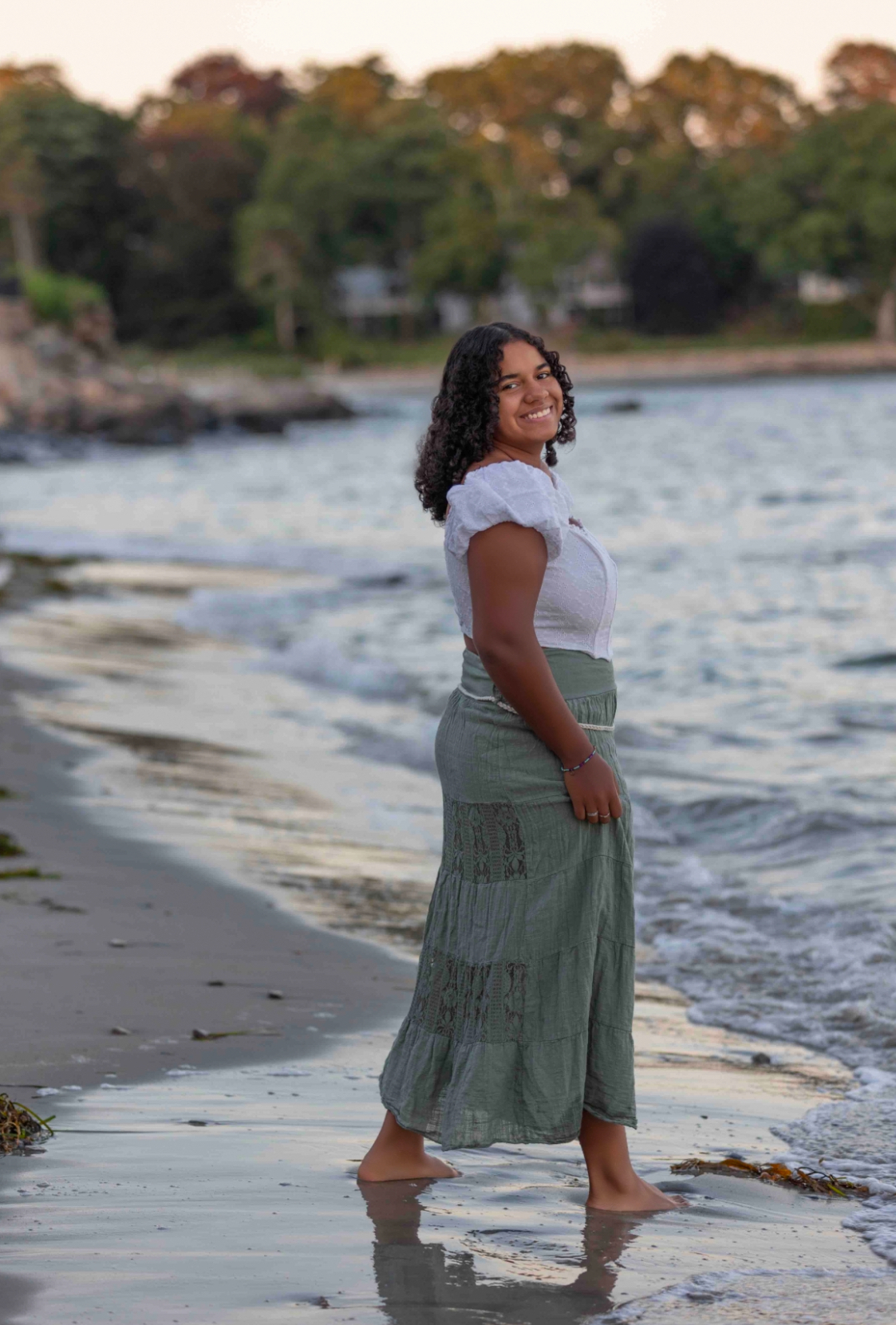
Madison Savage
Danvers, Massachusetts
It was a cold, rainy night when my dad had a client meeting and planned to take the Jeep. At the last minute, we met my mom and switched vehicles, deciding to drive the family van instead. That seemingly small decision ended up saving our lives. Afterward, my mom suggested we stop at Taco Bell for dinner. We laughed, ate, and then headed home. None of us could have predicted that within minutes, our lives would be changed forever.
As we waited at a red light, the rain continued to fall, streaking across the windshield. When the light turned green, my mom carefully crossed the first three lanes of traffic. Just as we began to cross the final lanes, a car sped through the intersection, running the red light. The impact was sudden and violent. The other vehicle slammed into the side of our van, sending us spinning until we finally came to a stop. My oldest brother was in the front passenger seat, and I sat directly behind him. Thanks to seat belts, booster seats, and the size of the van, we were protected. But the crash could have been far worse.
The driver of the other car was a teenage girl. She had been on her phone and didn’t notice the red light. Her distraction nearly cost us our lives. If we had been in the Jeep, which sits lower to the ground, my brother and I might not have survived. My mom was injured while instinctively reaching out her arm to shield my brother, and she was taken to the hospital in an ambulance. The girl who hit us cried as she apologized, saying she hadn’t seen the red light. Her regret was genuine, but it could not undo the damage. Our van was in the shop for two months, and my family was left shaken by the reality of how quickly distraction can turn into disaster.
That night taught me a lesson I will never forget: phones and driving do not mix. As I reached my first year of driving, I made a promise to myself. I would never use my phone behind the wheel. When I drive with friends, I take their phones too, ensuring that no one is tempted to text or scroll while I’m responsible for their safety. I know firsthand how devastating the consequences of distracted driving can be, and I refuse to put myself or others at risk.
Distracted driving is one of the leading causes of accidents among teens. According to the National Highway Traffic Safety Administration, thousands of lives are lost each year because drivers choose to look at their phones instead of the road. A text message may seem harmless, but taking your eyes off the road for even five seconds at highway speeds is like driving the length of a football field blindfolded. In those moments, anything can happen: a car can stop suddenly, a pedestrian can step into the street, or another driver can make a mistake. The difference between life and death often comes down to a split second of attention.
My family’s accident is proof of that. The teen driver who hit us didn’t intend to cause harm. She wasn’t reckless in the traditional sense; she was simply distracted. Yet her distraction had the power to destroy lives. My mom’s injury, our totaled van, and the trauma we experienced were all preventable. If she had kept her phone out of reach, she would have seen the red light. She would have stopped. And none of us would have gone through that terrifying night.
Phones are powerful tools, but they demand responsibility. As young drivers, we are especially vulnerable to distraction. Notifications, social media, and group chats can feel urgent, but nothing is more urgent than the lives in your car and on the road around you. Every time I get behind the wheel, I remind myself of that night. I remember the spinning van, my mom’s protective arm, and the tears of the girl who said she was sorry. Those memories fuel my determination to drive safely and to encourage others to do the same.
In the end, driving is about choices. My parents made choices that saved us: switching to the van, buckling seat belts, and using booster seats. The other driver made a choice too — to look at her phone — and that choice nearly cost us everything. As a new driver, I choose safety. I choose to focus. And I choose to honor the responsibility that comes with holding the steering wheel. Because no text, no call, and no notification is worth a life
As we waited at a red light, the rain continued to fall, streaking across the windshield. When the light turned green, my mom carefully crossed the first three lanes of traffic. Just as we began to cross the final lanes, a car sped through the intersection, running the red light. The impact was sudden and violent. The other vehicle slammed into the side of our van, sending us spinning until we finally came to a stop. My oldest brother was in the front passenger seat, and I sat directly behind him. Thanks to seat belts, booster seats, and the size of the van, we were protected. But the crash could have been far worse.
The driver of the other car was a teenage girl. She had been on her phone and didn’t notice the red light. Her distraction nearly cost us our lives. If we had been in the Jeep, which sits lower to the ground, my brother and I might not have survived. My mom was injured while instinctively reaching out her arm to shield my brother, and she was taken to the hospital in an ambulance. The girl who hit us cried as she apologized, saying she hadn’t seen the red light. Her regret was genuine, but it could not undo the damage. Our van was in the shop for two months, and my family was left shaken by the reality of how quickly distraction can turn into disaster.
That night taught me a lesson I will never forget: phones and driving do not mix. As I reached my first year of driving, I made a promise to myself. I would never use my phone behind the wheel. When I drive with friends, I take their phones too, ensuring that no one is tempted to text or scroll while I’m responsible for their safety. I know firsthand how devastating the consequences of distracted driving can be, and I refuse to put myself or others at risk.
Distracted driving is one of the leading causes of accidents among teens. According to the National Highway Traffic Safety Administration, thousands of lives are lost each year because drivers choose to look at their phones instead of the road. A text message may seem harmless, but taking your eyes off the road for even five seconds at highway speeds is like driving the length of a football field blindfolded. In those moments, anything can happen: a car can stop suddenly, a pedestrian can step into the street, or another driver can make a mistake. The difference between life and death often comes down to a split second of attention.
My family’s accident is proof of that. The teen driver who hit us didn’t intend to cause harm. She wasn’t reckless in the traditional sense; she was simply distracted. Yet her distraction had the power to destroy lives. My mom’s injury, our totaled van, and the trauma we experienced were all preventable. If she had kept her phone out of reach, she would have seen the red light. She would have stopped. And none of us would have gone through that terrifying night.
Phones are powerful tools, but they demand responsibility. As young drivers, we are especially vulnerable to distraction. Notifications, social media, and group chats can feel urgent, but nothing is more urgent than the lives in your car and on the road around you. Every time I get behind the wheel, I remind myself of that night. I remember the spinning van, my mom’s protective arm, and the tears of the girl who said she was sorry. Those memories fuel my determination to drive safely and to encourage others to do the same.
In the end, driving is about choices. My parents made choices that saved us: switching to the van, buckling seat belts, and using booster seats. The other driver made a choice too — to look at her phone — and that choice nearly cost us everything. As a new driver, I choose safety. I choose to focus. And I choose to honor the responsibility that comes with holding the steering wheel. Because no text, no call, and no notification is worth a life
Content Disclaimer:
Essays are contributed by users and represent their individual perspectives, not those of this website.



3 votes
An accident that made me aware that also time and impatience can be impairement
Karin Deutsch


