2025 Driver Education Round 3
Decisions: The Moments That Matter Behind the Wheel
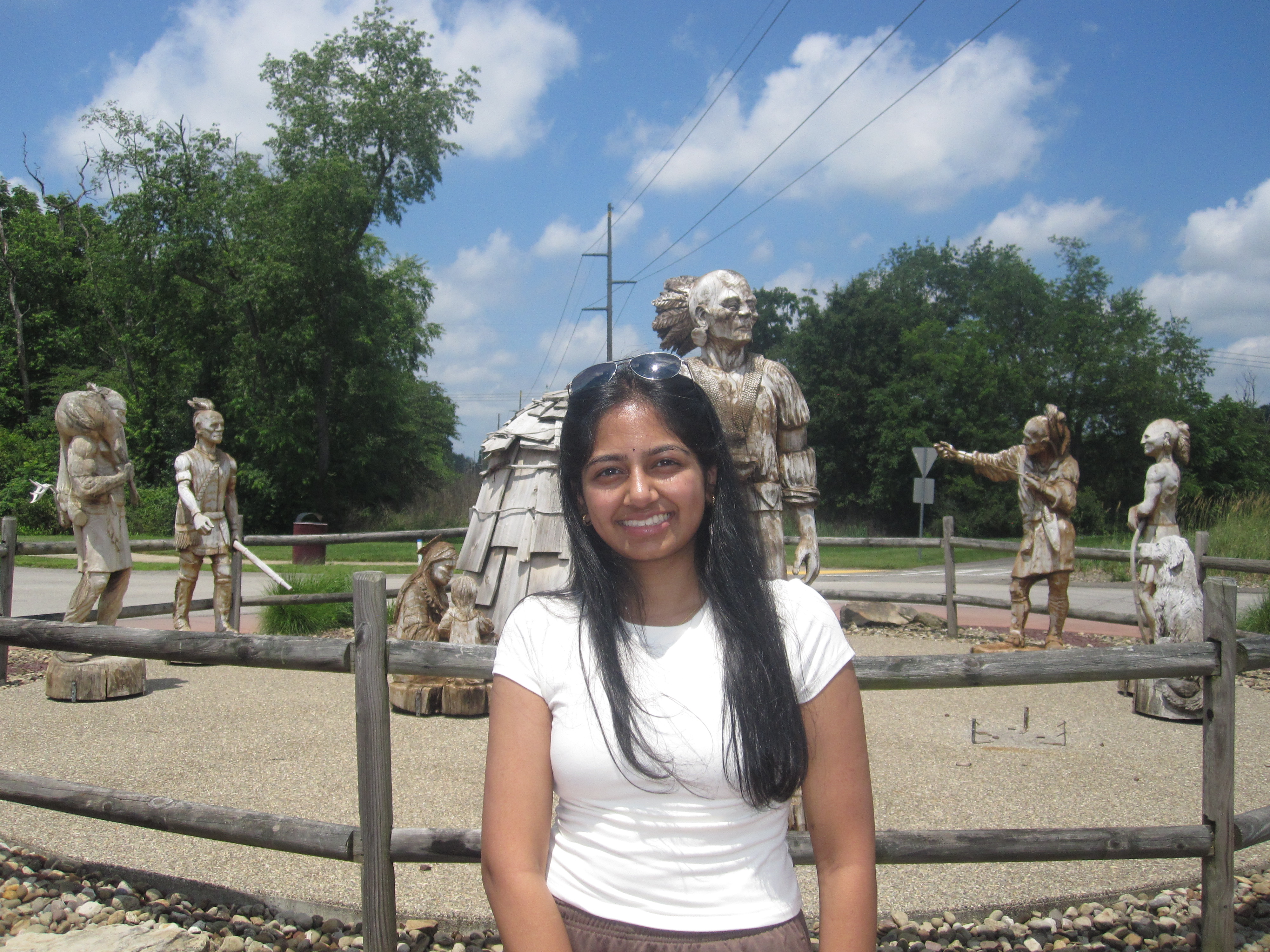
Charvi Vengala
Cary, North Carolina
Impaired driving, to me, means being behind the wheel without truly being present. It is any moment when your mind or body is not giving the road what it needs. People often think it only refers to alcohol or drugs, mostly because that is how it gets talked about in driver’s ed and traffic school. But real impairment is broader. It includes the quiet moments when your eyes slip away for a second or your thoughts drift. Even well-trained drivers miss that, which is why the idea is misunderstood so often.
Today, some of the most common forms of impairment are texting, fatigue, and intoxication. Texting feels harmless because it takes only a few seconds, but those seconds are enough to miss a red light or a pedestrian. Fatigue is just as dangerous. When people are tired, they lose their sense of judgment and react too slowly. Many drivers don’t take drowsiness seriously, even though being exhausted can affect you in almost the same way as being drunk. Intoxication is still a major cause of deadly crashes. Alcohol and drugs cloud judgment and give people confidence they should not have. All of these issues pull a driver’s attention away from what is happening right in front of them.
There was one story that changed the way I think about all of this. I remember, to this day, opening the news to hear about a drunk driver who had been racing down a road, against their friend. They lost control of the car and it spun into a tree, killing three people. Underage drinkers and students at a local college, we mourned their loss. I didn’t know them, but for some reason the story stuck with me. I kept thinking about how normal their day must have been until that moment, and how quickly everything ended. I couldn’t help but think, what would have happened if that day, they had chosen to say no to the drink. It made me realize how fragile driving really is. It pushed me to be more aware of the choices I make, even small ones, because someone else’s life is not something you gamble with.
Driver’s education and traffic school can play a huge role in shifting how people see impaired driving. The best programs do more than repeat laws. They explain what happens to your brain when you’re tired or distracted. They show real examples of how everyday habits, like checking a notification or adjusting music, pull your attention away. Some programs even let students experience simulations that mimic slow reaction times or blurred vision, which creates a deeper impact than words alone. These reminders matter because they stay with you long after you leave the classroom.
What makes these programs effective is that they connect driving to responsibility. When instructors talk about real stories or bring in people affected by impaired driving, it becomes harder to brush off the dangers. Students start to understand that driving is not just about themselves. Every choice they make affects strangers on the road, families in other cars, and people who are simply trying to get home.
I also think each person has a role in preventing impaired driving, including me. It starts with small, consistent habits. I can put my phone in the backseat so I’m not tempted to look at it. I can choose not to drive when I’m tired, no matter how inconvenient it seems. I can be honest when a friend or family member isn’t safe to drive and step in before they get behind the wheel. Even simple conversations can make a difference. If I share what I’ve learned with younger students or new drivers, they might take these lessons more seriously too.
In the end, preventing impaired driving isn’t about perfection. It is about awareness and responsibility. It means knowing that one careless moment can change everything for someone else. I want to be the kind of driver who remembers that. I want to be someone who pays attention, steps in when it matters, and helps create a safer road for everyone.
But, how can this happen? It’s through education and awareness. Bringing the issue at hand to light and helping everyone understand the depth of their actions. Making one small decision counts. You can choose to say no to the drink or drug, instead of saying yes and risking lives, both yours and others. You could decide to educate yourself on the legal laws of driving and how to become a safer driver, instead of scrolling on your phone or feigning ignorance. You can choose to make a difference. You can choose to create a safer world.
Today, some of the most common forms of impairment are texting, fatigue, and intoxication. Texting feels harmless because it takes only a few seconds, but those seconds are enough to miss a red light or a pedestrian. Fatigue is just as dangerous. When people are tired, they lose their sense of judgment and react too slowly. Many drivers don’t take drowsiness seriously, even though being exhausted can affect you in almost the same way as being drunk. Intoxication is still a major cause of deadly crashes. Alcohol and drugs cloud judgment and give people confidence they should not have. All of these issues pull a driver’s attention away from what is happening right in front of them.
There was one story that changed the way I think about all of this. I remember, to this day, opening the news to hear about a drunk driver who had been racing down a road, against their friend. They lost control of the car and it spun into a tree, killing three people. Underage drinkers and students at a local college, we mourned their loss. I didn’t know them, but for some reason the story stuck with me. I kept thinking about how normal their day must have been until that moment, and how quickly everything ended. I couldn’t help but think, what would have happened if that day, they had chosen to say no to the drink. It made me realize how fragile driving really is. It pushed me to be more aware of the choices I make, even small ones, because someone else’s life is not something you gamble with.
Driver’s education and traffic school can play a huge role in shifting how people see impaired driving. The best programs do more than repeat laws. They explain what happens to your brain when you’re tired or distracted. They show real examples of how everyday habits, like checking a notification or adjusting music, pull your attention away. Some programs even let students experience simulations that mimic slow reaction times or blurred vision, which creates a deeper impact than words alone. These reminders matter because they stay with you long after you leave the classroom.
What makes these programs effective is that they connect driving to responsibility. When instructors talk about real stories or bring in people affected by impaired driving, it becomes harder to brush off the dangers. Students start to understand that driving is not just about themselves. Every choice they make affects strangers on the road, families in other cars, and people who are simply trying to get home.
I also think each person has a role in preventing impaired driving, including me. It starts with small, consistent habits. I can put my phone in the backseat so I’m not tempted to look at it. I can choose not to drive when I’m tired, no matter how inconvenient it seems. I can be honest when a friend or family member isn’t safe to drive and step in before they get behind the wheel. Even simple conversations can make a difference. If I share what I’ve learned with younger students or new drivers, they might take these lessons more seriously too.
In the end, preventing impaired driving isn’t about perfection. It is about awareness and responsibility. It means knowing that one careless moment can change everything for someone else. I want to be the kind of driver who remembers that. I want to be someone who pays attention, steps in when it matters, and helps create a safer road for everyone.
But, how can this happen? It’s through education and awareness. Bringing the issue at hand to light and helping everyone understand the depth of their actions. Making one small decision counts. You can choose to say no to the drink or drug, instead of saying yes and risking lives, both yours and others. You could decide to educate yourself on the legal laws of driving and how to become a safer driver, instead of scrolling on your phone or feigning ignorance. You can choose to make a difference. You can choose to create a safer world.
Content Disclaimer:
Essays are contributed by users and represent their individual perspectives, not those of this website.



3 votes
An accident that made me aware that also time and impatience can be impairement
Karin Deutsch