2025 Driver Education Round 3
Distracted Driving: A Personal Reflection and Call for Awareness
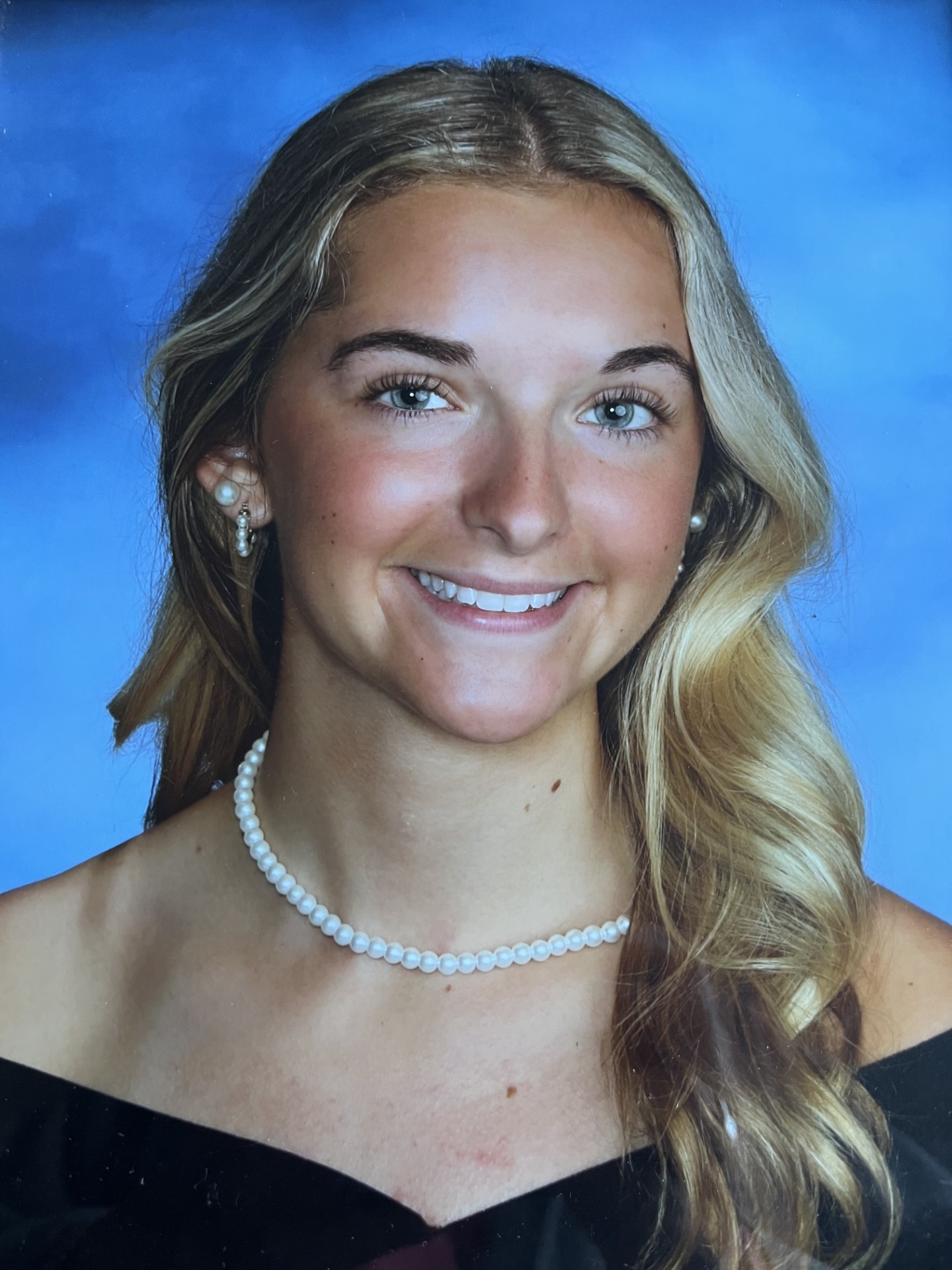
Jaidyn Ericksen-hrehor
Binghamton, New York
Distracted driving has become one of the most serious threats on our roads today. Every year, thousands of lives are lost because someone glanced at their phone, changed a song, or became momentarily distracted behind the wheel. For me, distracted driving is something that changed the way I think about responsible driving and the importance of being fully present whenever I’m behind the wheel of a car. Experiencing the consequences of distracted driving personally has made me passionate about raising awareness and finding ways to prevent others, especially young drivers, from making the same mistakes. I’ve seen how common distracted driving is among people my age. Whether it’s texting friends, using social media, or scrolling through Spotify, we often think we’re capable of multitasking. But the truth is, nobody’s reflexes are fast enough to handle a moving vehicle while distracted. It only takes a second for something to go wrong, and that second can change everything.
My mom has a best friend that I have always referred to as our “aunt”, even though we are not technically related. The issue of distracted driving hit home one afternoon when my aunt’s mother was tragically killed in a car accident. She was driving home from work when a car full of teenagers drifted into her lane and hit my aunt’s mother head-on. She ended up with severe head injuries, and after a few weeks of being in a coma, my aunt was faced with the decision to have the doctors take her off life support. This sudden tragedy affected my aunt and her whole family in so many awful ways. Seeing her struggle made me realize how quickly a few seconds of distraction can change everything. The driver of the other car said she took eyes off the road for “just a second” to change the radio station. However, my aunt believes that the car full of teenagers was probably fooling around and not paying attention to the road. Those few seconds of distraction led to expensive medical bills, severe emotional trauma that led my aunt not to drive a car for several years afterwards, and of course, the permanent loss of her beloved mother.
Since that day, I’ve looked at driving completely differently. I used to think that glancing at my phone or skipping a song on my playlist was harmless. Now I know that even a momentary distraction can lead to life-changing consequences. I’ve become much more careful about how I drive, and I try to influence my friends to take driving seriously. This experience made me realize that one person’s decision to look at their phone doesn’t just affect them, but it affects everyone around them.
Teenagers and young adults are statistically the most likely to drive distracted. There are a few reasons for that. First, we’re still getting comfortable behind the wheel, so we might not realize how little time it takes for things to go wrong. Second, phones have basically become extensions of our hands. We’re used to constant notifications and the urge to respond right away. That buzz in our pocket can feel impossible to ignore. Social pressure also plays a big role. If friends are in the car, we might want to look cool, show them something funny, or play the perfect playlist. Unfortunately, that quick moment of trying to impress others can lead to serious accidents. According to the CDC, about nine people die every day in the U.S. due to distracted driving and a big portion of those crashes involve younger drivers.
To raise awareness effectively, I believe personal stories like mine could make a difference. When people hear real experiences, they might begin to understand that distracted driving can happen to anyone. Schools could host assemblies featuring survivors or families affected by distracted driving. Social media campaigns could share short videos or testimonials that capture the emotional and human side of these tragedies.
Ironically, technology can also help solve the problem it created. Most smartphones now have a “Do Not Disturb” mode that blocks notifications and autoreplies to texts. There are apps that track phone use while driving and send reports to parents. Some cars even limit screen features when the vehicle is in motion. Apps that block notifications or automatically respond to texts while someone is driving can help reduce the temptation to glance at a phone. Making these tools the norm could save thousands of lives.
For young drivers, stricter penalties can be a powerful deterrent. Driving courses including education on distracted driving could be mandatory, and police could partner with schools to promote awareness instead of just handing out tickets.
The biggest change needs to happen in how we think about distracted driving. Years ago, drunk driving was common, and we even joked about it in movies. Now, it’s widely condemned. We need that same shift with distracted driving. Campaigns like “It Can Wait” help, but it’s up to us, especially young people, to speak up when friends text behind the wheel or to put our own phones out of reach while driving. Peer influence can be a positive thing, too. If more of us commit to driving distraction-free, it will set a new standard. Eventually, it becomes uncool and not normal to text and drive. If I had one message for other young drivers, it would be this: your life and the lives of others are worth more than any notification on your phone. The people who care about you would rather wait for a reply than lose you forever.
In conclusion, distracted driving has left a lasting impression on my life. It took one accident that ended in tragedy to open my eyes to how fragile life can be and how much responsibility we hold every time we get behind the wheel. I’ve seen what a moment of distraction while driving can cause, and I think by sharing stories, promoting education, and modeling responsible behavior, we can make a difference.
Content Disclaimer:
Essays are contributed by users and represent their individual perspectives, not those of this website.


3 votes
An accident that made me aware that also time and impatience can be impairement
Karin Deutsch