2025 Driver Education Round 3
Driver Awareness and Responsibility
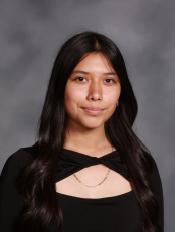
Mariangel Rubio Aguilar
Hesperia, CA
One of the most terrifying moments of my life involved my tío. I was with my grandparents when we heard he had crashed his truck and fallen into a canal. For a few unbearable minutes, we feared the worst. I imagined everything that could go wrong, the silence of our home if we lost him, the grief that would follow, the ways life could change in a single instant. When we learned he was okay, relief washed over me, but the fear lingered. That day taught me how fragile life is, how quickly one split-second decision can alter everything, and how impaired driving affects more than just the driver. I vowed to never allow distraction, fatigue, or substance use to put anyone at risk, and to do everything I could to help others understand the stakes. Impaired driving is often misunderstood. Many people think it only means being extremely drunk, and they believe passing a driver’s education course makes them immune. In reality, pills, exhaustion, strong emotions, or even a brief glance at a phone can weaken judgment and reaction time. Alcohol and drugs slow reflexes, divide attention, and create overconfidence. Fatigue dulls the mind and can cause micro-sleeps. Each of these forms of impairment turns a normal drive into a potential tragedy. Living in the High Desert, I see how long stretches of isolated roads, long commutes, and a culture of independence make impaired driving common and deadly. My tío’s near-crash reminded me that it can happen to anyone, even people I love, and families can live through those few minutes of terror wondering if they will ever see a loved one again. That experience shaped my perspective and inspired me to take action. Through my work with Peer Club, I help make these dangers real for students in my school. Each year, my group leads a schoolwide demonstration to show the effects of impaired driving. We partner with the San Bernardino County Department of Public Health, bring speakers who have witnessed crash effects firsthand, and let students try impairment goggles. They attempt to walk straight or catch a ball while their vision and coordination fail. Watching their expressions, seeing their confusion and realization, I am reminded of the fear my family felt during my tío’s accident. Surveys before and after the demonstration show the difference in awareness is striking. I see the same lessons I learned with my tío reflected in their faces, and it drives me to keep sharing these experiences. I also contribute to SUPP, our school’s substance prevention program, where we focus on raising awareness about the dangers of impaired driving and substance use. We teach staff and students how to use Narcan, explain how substance use can impair judgment, and advocate for prevention strategies that can save lives. Working with SUPP has given me a broader understanding of the ways substances affect the brain and behavior, and I have been able to connect that knowledge directly to our Peer Club demonstrations. By combining hands-on experiences, personal stories, and scientific understanding, we create a comprehensive message that stays with students and encourages responsible choices. Driver’s education and traffic safety programs are most effective when they combine science, hands-on experience, and personal accounts. Lectures and rules alone cannot show someone what it feels like to lose control, misjudge a turn, or swerve off the road. Programs that make impairment tangible and immediate teach students to recognize early signs, understand consequences, and make safer choices before they sit behind the wheel. I have seen this happen in my school, and it reinforces my belief that awareness can save lives. I want to do more than teach lessons. My work with Peer Club and SUPP allows me to guide students in my community, encouraging them to call a ride, rest before driving, or refuse to drive distracted. Every time I share the story of my tío or help a student understand the real impact of one decision, I feel I am preventing someone from experiencing the fear my family did. One person making a safer choice can change the outcome for an entire family, and that motivates me to continue. The High Desert has a history of tragedy on the roads, and I have seen the human cost firsthand. My tío’s near-crash gave me a personal understanding of danger that no textbook could. Peer Club and SUPP give me a way to channel that understanding into action, teaching others the lessons I learned through fear, relief, and reflection. Every demonstration, every conversation, and every effort to raise awareness is a step toward saving lives. That day with my tío reminded me that life is fragile, choices are powerful, and awareness can prevent heartbreak. I want to carry that lesson forward, influencing as many people as I can to make safer decisions behind the wheel.
Content Disclaimer:
Essays are contributed by users and represent their individual perspectives, not those of this website.



3 votes
An accident that made me aware that also time and impatience can be impairement
Karin Deutsch


