2025 Driver Education Round 3
Driver Education Importance
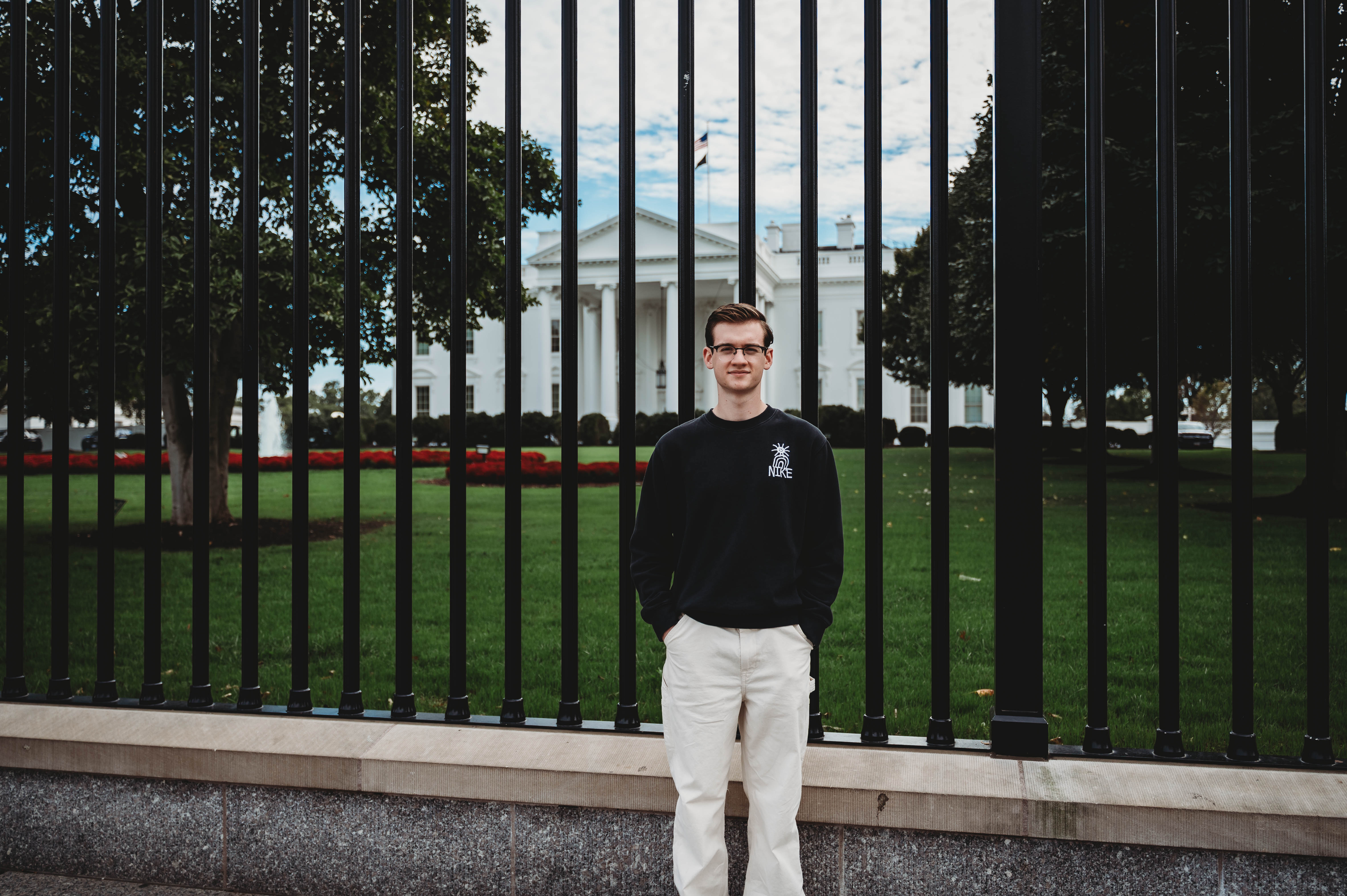
Clayton Wellborne
Humble, Texas
Impaired driving is one of the most preventable causes of tragedy, yet it continues to claim lives because people underestimate how quickly one choice can become irreversible. Preventing it requires more than rules and warnings. It requires leadership, accountability, education, and a willingness to speak up even when it feels uncomfortable. My role in preventing impaired driving begins with those values. Through my leadership positions at school, my work with the Houston Mayor’s Youth Council, and my job at Jeremiah’s Italian Ice, I have learned that leadership is not defined by age or authority. It is defined by the way you influence people to make safer choices. When it comes to impaired driving, I believe my responsibility is to model safe behavior, create a culture where responsibility is normalized, educate others about the risks, and intervene when necessary.
One of the biggest impacts I can make is fostering a culture of safety among my peers. As the Service Learning Director at my high school, I lead a team of fifty student leaders who guide more than four hundred students across dozens of community service sites. Because of this responsibility, I am constantly thinking about how to keep people safe when they travel to service projects, late events, or off-campus locations. I emphasize responsible behavior every chance I get, because consistent reminders eventually shape habits. Before events, I ask who is driving, how tired they are, and whether they feel capable of handling the responsibility. After events, I check in with students to make sure they have a ride home that is safe and reliable. These might seem like small moments, but they build a culture of intentional decision making. When people know that someone is paying attention, they are more likely to pause and make a safer choice.
Another key part of my role is education. Many students think impaired driving only refers to drinking and driving, but it is much broader than that. Impairment includes drugs, medication misuse, exhaustion, emotional distress, and anything that slows your judgment or reaction time. When I talk to younger students, I focus on explaining impairment in simple, real-life terms. I tell them that impairment can look like staying up too late finishing homework, working long shifts, or being emotionally overwhelmed. If they do not understand what impairment is, they will not know how to identify it in themselves or others. My training in leadership has shown me that clarity is one of the most powerful tools for prevention.
My influence is also shaped by the expectations that come with leadership roles. Students look to me for guidance, so my actions carry weight. I cannot ask others to behave responsibly if I am not modeling that myself. That means making safe transportation plans every time, refusing to get into a car with someone who seems impaired, and encouraging my friends to make backup plans before going out. I also strive to speak up when something feels off. Teenagers avoid confrontation because they worry about embarrassing someone or ruining the mood. But protecting someone is far more important than keeping the moment comfortable. I want people to realize that stepping in is not rude; it is courageous. Leadership means noticing the warning signs before a situation becomes dangerous and doing whatever it takes to redirect it.
My job experience has taught me similar lessons. Working long hours at Jeremiah’s Italian Ice, often closing the store late at night, has made me more aware of how fatigue affects driving. After a full shift and a long day of school, it is easy to underestimate how tired you are. Because I understand this firsthand, I talk to my coworkers about avoiding late-night driving when they are overly exhausted. I encourage them to call someone they trust or take a break before getting behind the wheel. People listen more when the person giving advice genuinely understands their reality. I know what it feels like to leave work at midnight after a long stretch of responsibilities. That perspective allows me to talk about impairment in a way that feels relatable instead of judgmental.
Through my work on the Houston Mayor’s Youth Council, I have also learned how public policy intersects with personal responsibility. We discuss citywide safety initiatives, access to transportation, and the importance of community-based prevention efforts. I have seen how government can set guidelines, but ultimately, it is the people who must choose to follow them. That is why education and leadership among youth are essential. I plan to use my training in communication and civic engagement to help create safety campaigns, organize awareness events, and share information that helps families make informed decisions. I want to use my voice and platform to make safety a normal part of daily conversations, not a topic that only comes up after a tragedy.
Ultimately, preventing impaired driving is not about dramatic interventions. It is about consistent choices, quiet leadership, and moments of honest dialogue. My role is to model responsibility, educate others, create a culture where people feel empowered to speak up, and intervene when necessary. With my training and experience, I am in a position to influence others not by force but by example. I believe leadership is measured by the lives you protect and the impact you leave behind. If I can encourage even one person to make a safer decision, to stop a friend from driving impaired, or to think more critically about their own safety, then I am fulfilling one of the most important responsibilities any leader can have. Prevention begins with people, and I plan to be one of those people who steps forward, speaks up, and choose safety every time.
Content Disclaimer:
Essays are contributed by users and represent their individual perspectives, not those of this website.


3 votes
An accident that made me aware that also time and impatience can be impairement
Karin Deutsch