2025 Driver Education Round 3
Driver Education Initiative Award Essay
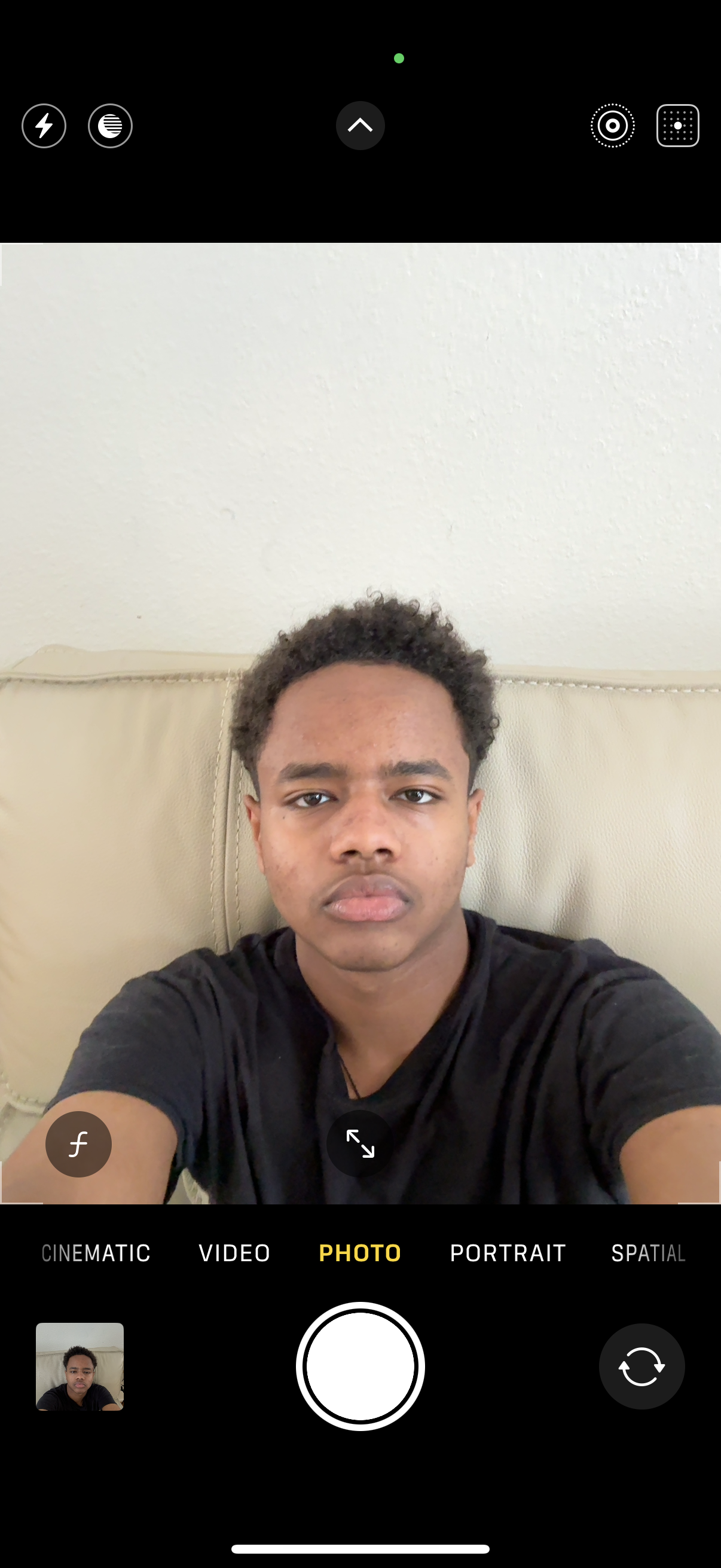
Samuael Kassaye
Federal Way, WA
I’m an aviation student, so essentially, I’m trained to perceive danger even in a “normal” environment.* In a plane, we use an “ISAFE” checklist (“Illness, Medication, Stress, Alcohol, Fatigue, Emotion”) *even before we touch the throttle.* The more I delve into piloting, the more apparent it becomes to me that the driver's seat requires the same mentality. To me, “impaired driving” pertains to any circumstance reducing the cognitive ability on the task of driving, be it slower reflexes, ‘tunnel’ vision, poor decision-making, divided attention, altogether independent of whether it be from alcohol, a drug, a buzzing cell, or a body running on four hours of sleep. It's a misconception, of course, because a person conjures it as a vivid, overt condition—think stumbling, has-been plastered, stoned. Most of the time, it looks very ordinary, as in a brief scan at a text message, “over-the-counter” allergy medication, which “shouldn’t” affect a person’s level of consciousness, a night drive on four hours of sleep. Since we “feel” just fine, we assume we’re safe. Experience only insidiously increases our conviction about it, as in “I have driven this route a hundred times.” In piloting, this would mean, complacency has entered the chat.
The main things I see impacting drivers in my generation are distraction and fatigue. Cell phones make driving a car a mobile tempting box—map adjustments, music lists, group messages popping at bad moments. The cost of our looking away for those precious two seconds is completely underestimated. At 45 mph, it’s over a hundred feet of unobserved travel. Fatigue is just as insidious. College kids pack morning classes, night study, a job, the gym. An opportunity cost of sleep mounts, with reaction times increasingly stretched until a yellow light becomes a red light you didn’t see. And then, of course, substances. Alcohol is well-known, but marijuana has become increasingly mainstream, so “it’s legal” gets conflated as “it’s safe to drive.” But then there are prescriptions, specifically things like antihistamines, pain, or anti-anxiety meds, which can affect our processing of judgment as well as our coordination despite being taken as directed. And, finally, emotional burden – anger from a fight, worrying about being late because you are late, passenger peer pressure. An impairment is not purely a chemical reaction; it’s anything which takes attention, takes judgment.
A small, very common incident altered my driving habits. It's a memory from a night when, having weightlifting in the afternoon, I was late for returning books from the library. It's a state some people can talk themselves out of, a kind of wired-tiredness. But as a pilot, I’d been trained to see the potential for rapid escalation from small distractions. That night, as I pulled into a parking lot, turned on the iPhone feature called “Driving Focus” on my car setting, stowed the phone in the glove box, sat for a minute, asked myself the ISAIME questions as though preparing for flight, and recognized myself as Fatigued and Emotionally keyed-up, took a brief walk, got water, shot off a text message saying “home in 20” while parked, got in the car, and vowed to follow a simple, safe starting procedure from then on. The procedure remains the same to this day: the phone goes nowhere near me while the car is in motion, except when, as a pilot, a tossed-around term, I’m wired-tired. In those situations, it’s wait, walk, or ride-share. It’s a small choice, a prophylactic measure taken well in advance, so it wouldn’t affect a night like the one in this memory. It has, however, had a huge impact on all my drives since.
But how exactly can driving schools and traffic schools affect attitudes about DUI? It’s hard to instill a behavioral change from factual knowledge without incorporating it into both habits and identity. The best programs, in my opinion, include four things:
It illustrates injury. Teach, don’t tell. Simulators for delayed reaction, distraction goggles, and side-by-side braking examples convey a powerful message about the curve of risk. It’s difficult to underestimate the impact of a brief glance at a cell phone screen once you have a tactile appreciation for a 30-40-foot difference as a result of a half-second distraction.
They include pre-flight checklists, as well as personal minimums. The reason aviation has checklists is because we are human. Before becoming engineers, check off an IMSAFE assessment, along with a personal minimums card consisting of “zero phone in hand, zero alcohol/THC, don’t operate unless 7 hours of sleep, pull over to change navigation/music, three-second follow-distance minimum, and so on” before making a good choice while having a high chance of the car getting moving.
These friction mechanisms are built into the environment. Driver’s ed can assist in teaching tech guardrails on day one: Do Not Disturb While Driving, restrictions on the lock screen, Bluetooth auto-responses, and cable organizers to store charging cables in the trunk or glove box. By making the safer choice the default, safer behaviors follow even for those lacking willpower.
They practice social scripts. Often poor choices are made while riding with others. The practice of a two-sentence "Captain's Brief"—"Hey, I don’t touch my phone while we’re moving. If you need anything, tell me and we'll stop"—empowers the leader. A rehearsed script on how to decline a ride, call a parent/ride share, or take keys from a friend turns difficult situations into well-prepared ones. My job is to live it and report on what works. If so, here’s a little “pilot program for the road” practice routine of mine, practiced every time. Before starting the engine, I go through the IMSAFE check in my head, as well as consider my personal minimums. Cell goes in the glove box, putting it on “Driving Focus” while setting up the GPS route and music start before putting the car in gear. Then, a “sterile cabin” environment for the first five minutes as well as in heavy traffic areas. For longer trips, a five-minute stop every 90 minutes. If exhausted emotionally, physically, or both, I leave early or find a ride. In social situations, I offer to be the DD from the start so it’s not even an issue to consider. If it's someone else's car, and they use their phone, don’t judge—you can be the “ATC” voice, so to speak, saying, “Want me to work the maps/message stuff?” It usually solves the issue without lecturing. Template, check. The first-gen students in my section start a “scholarship hour” a week, where we can compare application deadlines and share drafts. For my own section, because it gets late, a five-minute check at the end, as people leave, has been helpful: “Who’s driving? Sleep well? DoNotDisturbing on?” It’s low-key, so it becomes a normal question to ask. It’s a small change, but our group chat has some students follow my minimums’ example, as well as glove box traffic control, focusing, and so on. Drinking and driving is a lack of judgment, it's a human factors issue, and it requires systems, habits, and candid self-reflection. Driver's ed can be the springboard—if it teaches us things we can use, without the grade card dangling, while nobody's looking. My aim is to be a kind of motorcyclist, a kind of pilot, who creates margin, not excuses. The checklists are not things to be dreaded, but a means of ensuring we go exactly where we need to go. Behind the wheel, as in a cockpit, it all gets back to the simple notion of getting everyone back. The checklists are not in our way; they're a means of us all getting where we're going.
The main things I see impacting drivers in my generation are distraction and fatigue. Cell phones make driving a car a mobile tempting box—map adjustments, music lists, group messages popping at bad moments. The cost of our looking away for those precious two seconds is completely underestimated. At 45 mph, it’s over a hundred feet of unobserved travel. Fatigue is just as insidious. College kids pack morning classes, night study, a job, the gym. An opportunity cost of sleep mounts, with reaction times increasingly stretched until a yellow light becomes a red light you didn’t see. And then, of course, substances. Alcohol is well-known, but marijuana has become increasingly mainstream, so “it’s legal” gets conflated as “it’s safe to drive.” But then there are prescriptions, specifically things like antihistamines, pain, or anti-anxiety meds, which can affect our processing of judgment as well as our coordination despite being taken as directed. And, finally, emotional burden – anger from a fight, worrying about being late because you are late, passenger peer pressure. An impairment is not purely a chemical reaction; it’s anything which takes attention, takes judgment.
A small, very common incident altered my driving habits. It's a memory from a night when, having weightlifting in the afternoon, I was late for returning books from the library. It's a state some people can talk themselves out of, a kind of wired-tiredness. But as a pilot, I’d been trained to see the potential for rapid escalation from small distractions. That night, as I pulled into a parking lot, turned on the iPhone feature called “Driving Focus” on my car setting, stowed the phone in the glove box, sat for a minute, asked myself the ISAIME questions as though preparing for flight, and recognized myself as Fatigued and Emotionally keyed-up, took a brief walk, got water, shot off a text message saying “home in 20” while parked, got in the car, and vowed to follow a simple, safe starting procedure from then on. The procedure remains the same to this day: the phone goes nowhere near me while the car is in motion, except when, as a pilot, a tossed-around term, I’m wired-tired. In those situations, it’s wait, walk, or ride-share. It’s a small choice, a prophylactic measure taken well in advance, so it wouldn’t affect a night like the one in this memory. It has, however, had a huge impact on all my drives since.
But how exactly can driving schools and traffic schools affect attitudes about DUI? It’s hard to instill a behavioral change from factual knowledge without incorporating it into both habits and identity. The best programs, in my opinion, include four things:
It illustrates injury. Teach, don’t tell. Simulators for delayed reaction, distraction goggles, and side-by-side braking examples convey a powerful message about the curve of risk. It’s difficult to underestimate the impact of a brief glance at a cell phone screen once you have a tactile appreciation for a 30-40-foot difference as a result of a half-second distraction.
They include pre-flight checklists, as well as personal minimums. The reason aviation has checklists is because we are human. Before becoming engineers, check off an IMSAFE assessment, along with a personal minimums card consisting of “zero phone in hand, zero alcohol/THC, don’t operate unless 7 hours of sleep, pull over to change navigation/music, three-second follow-distance minimum, and so on” before making a good choice while having a high chance of the car getting moving.
These friction mechanisms are built into the environment. Driver’s ed can assist in teaching tech guardrails on day one: Do Not Disturb While Driving, restrictions on the lock screen, Bluetooth auto-responses, and cable organizers to store charging cables in the trunk or glove box. By making the safer choice the default, safer behaviors follow even for those lacking willpower.
They practice social scripts. Often poor choices are made while riding with others. The practice of a two-sentence "Captain's Brief"—"Hey, I don’t touch my phone while we’re moving. If you need anything, tell me and we'll stop"—empowers the leader. A rehearsed script on how to decline a ride, call a parent/ride share, or take keys from a friend turns difficult situations into well-prepared ones. My job is to live it and report on what works. If so, here’s a little “pilot program for the road” practice routine of mine, practiced every time. Before starting the engine, I go through the IMSAFE check in my head, as well as consider my personal minimums. Cell goes in the glove box, putting it on “Driving Focus” while setting up the GPS route and music start before putting the car in gear. Then, a “sterile cabin” environment for the first five minutes as well as in heavy traffic areas. For longer trips, a five-minute stop every 90 minutes. If exhausted emotionally, physically, or both, I leave early or find a ride. In social situations, I offer to be the DD from the start so it’s not even an issue to consider. If it's someone else's car, and they use their phone, don’t judge—you can be the “ATC” voice, so to speak, saying, “Want me to work the maps/message stuff?” It usually solves the issue without lecturing. Template, check. The first-gen students in my section start a “scholarship hour” a week, where we can compare application deadlines and share drafts. For my own section, because it gets late, a five-minute check at the end, as people leave, has been helpful: “Who’s driving? Sleep well? DoNotDisturbing on?” It’s low-key, so it becomes a normal question to ask. It’s a small change, but our group chat has some students follow my minimums’ example, as well as glove box traffic control, focusing, and so on. Drinking and driving is a lack of judgment, it's a human factors issue, and it requires systems, habits, and candid self-reflection. Driver's ed can be the springboard—if it teaches us things we can use, without the grade card dangling, while nobody's looking. My aim is to be a kind of motorcyclist, a kind of pilot, who creates margin, not excuses. The checklists are not things to be dreaded, but a means of ensuring we go exactly where we need to go. Behind the wheel, as in a cockpit, it all gets back to the simple notion of getting everyone back. The checklists are not in our way; they're a means of us all getting where we're going.
Content Disclaimer:
Essays are contributed by users and represent their individual perspectives, not those of this website.



3 votes
An accident that made me aware that also time and impatience can be impairement
Karin Deutsch