2025 Driver Education Round 3
Driving Is Not a Game

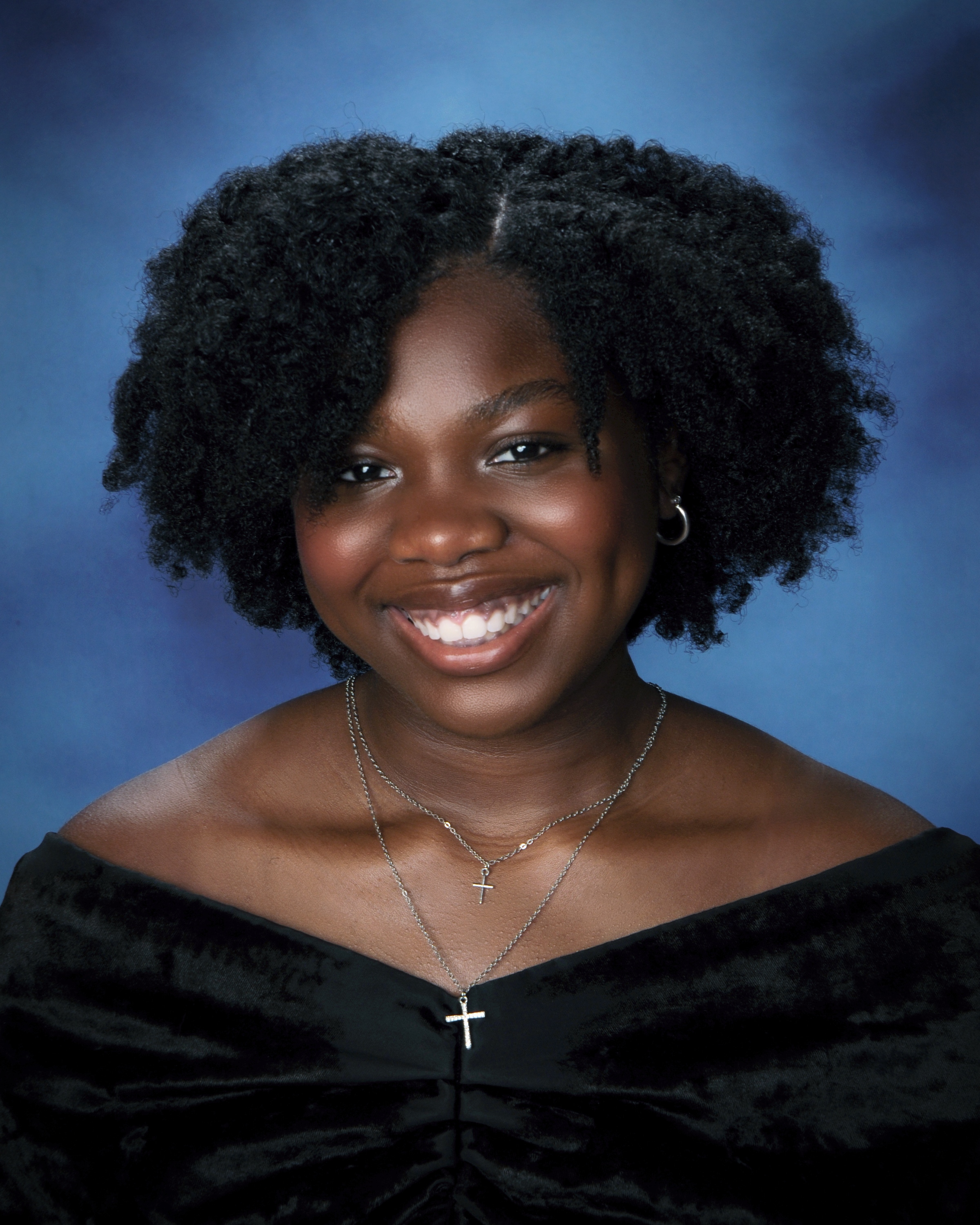
Kauri Roberson
Ardmore, Ok, Oklahoma
Driving is one of those things that seems simple until it’s not. You get in the car, turn the key or push the button, and go. But the truth is, it’s dangerous. Like, really dangerous. People die every day from car accidents, and a lot of those deaths could’ve been prevented. That’s where driver education comes in. It’s not just about passing a test or learning how to parallel park without crying. It’s about learning how not to die. Or kill someone else. That sounds dramatic, but it’s true.
Driver’s ed helps people understand the rules, sure, but it also teaches you how to think ahead. Don’t just look at the car in front of you; instead, look at the one in front of it too. Don’t assume someone’s going to stop at a stop sign just because they’re supposed to. And definitely don’t assume your phone can wait until the red light. Spoiler: it can’t. I think if more people took driver’s ed seriously, we’d have fewer crashes. Fewer funerals. Fewer, I thought I was fine to drive stories that end in tragedy.
There’s a lot we could do to make roads safer. Better education, for one. Not just once when you’re 16, but maybe refreshers every few years. Like, we have to renew our licenses, but we don’t have to prove we still know what we’re doing? That seems weird. Also, more awareness about distracted driving. Everyone talks about drunk driving, which is still a huge problem, but texting is just as bad. Maybe worse, because people do it all the time and think it’s no big deal. It is. And it’s not just phones—eating, adjusting music, even daydreaming can be dangerous distractions.
And then there’s my brother. I love him, but he drives like he’s in a video game. He speeds, he checks his phone, he tailgates. I’ve told him so many times to chill out, but he just laughs it off. “I’ve got it under control,” he says. But that’s the thing, everyone thinks they’ve got it under control until they don’t. I’ve had to be the annoying big sister who nags him about slowing down or putting his phone away. Sometimes he listens. Sometimes he doesn’t. But I keep trying, because I’d rather be annoying than plan his funeral. Again, dramatic, but that’s the reality.
I’ve also been in a car accident before. It wasn’t major, but it shook me up. A friend was driving, and he was going too fast on a back road. It was dark, and he didn’t see the curve until it was too late. We ended up in a ditch. No one was hurt, but it could’ve been so much worse. That moment stuck with me. It made me realize how fast things can go wrong, and how little control you actually have once something starts to go sideways.
Since then, I’ve tried to be a better driver. I don’t touch my phone when I’m driving. I always wear my seatbelt. I try to stay calm, even when other drivers are being jerks. And I speak up when I’m in the car with someone who’s driving recklessly. It’s awkward, but I’d rather deal with a little awkwardness than regret. I also double-check intersections, avoid speeding, and keep my music volume low enough to hear sirens or horns.
I think we all have a role to play in making the roads safer. It’s not just about what we do behind the wheel, but also how we talk about driving with the people around us. I try to set a good example, especially for my younger cousins who are just starting to learn. I tell them the stuff I wish someone had told me, not just the rules, but the real-life stuff. Like how scary it is to lose control of a car. Or how fast a glance at your phone can turn into a crash.
Honestly, I don’t think I’ll ever feel 100% confident on the road. There’s always something new to learn, and there’s always someone out there making dumb choices. But I can control what I do. I can keep learning, keep speaking up, and keep trying to be the kind of driver I’d want to share the road with.
So yeah, driver education matters. A lot. It’s not perfect, and it won’t fix everything, but it’s a start. And if we all took it a little more seriously and helped the people around us do the same, I think we’d see a real difference. Fewer crashes. Fewer tears. More people are making it home safely, without trauma, fear, or heartbreaking consequences.
Content Disclaimer:
Essays are contributed by users and represent their individual perspectives, not those of this website.


3 votes
An accident that made me aware that also time and impatience can be impairement
Karin Deutsch