2025 Driver Education Round 3
Driving with Purpose: How Education, Responsibility, and Awareness Reduce Preventable Collision
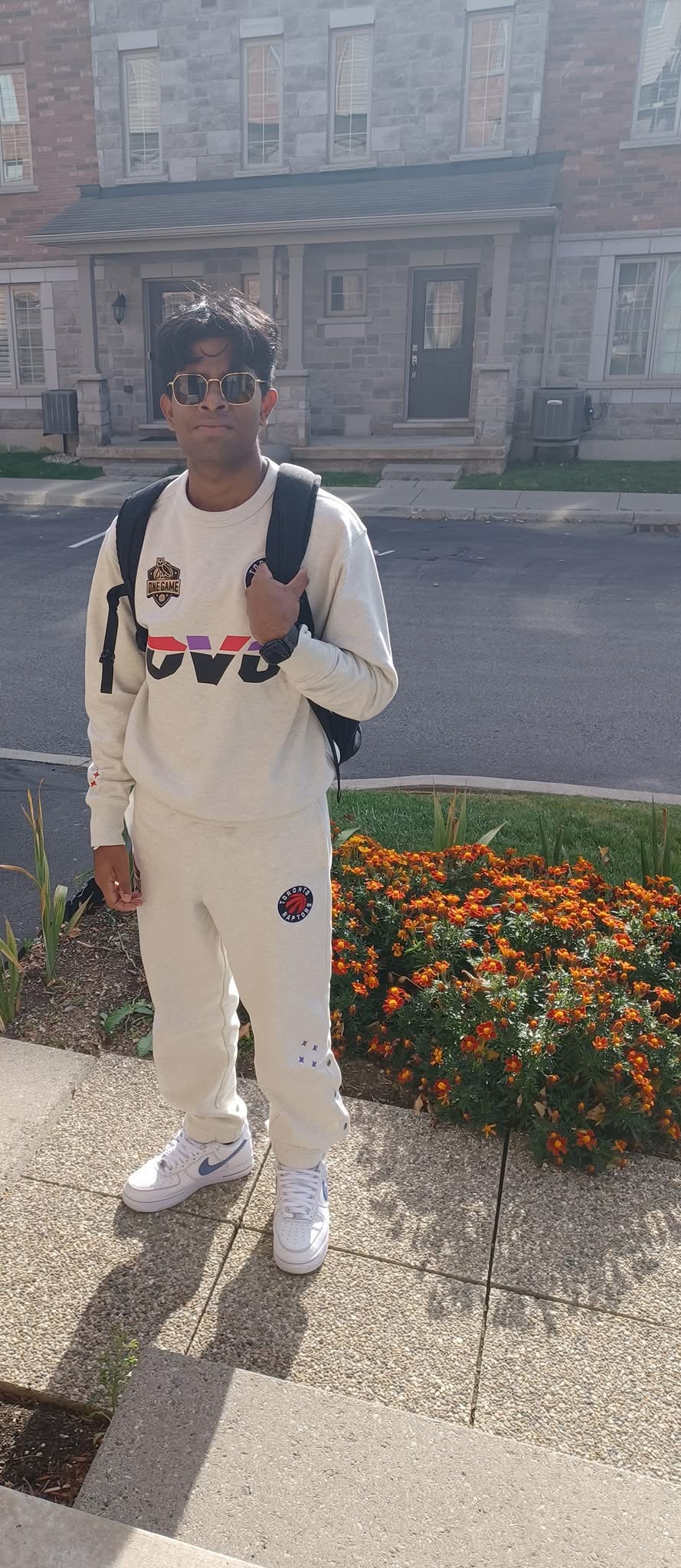
Shashindu Ruwan Pathirana
Waterdown, ON
Impaired judgement, inexperience, distraction, or poor road awareness are leading causes of preventable collisions where thousands of people lose their lives every year. This highlights the importance of driver education as it not only should educate new drivers on how to operate a vehicle, but also teaches attitudes and habits that can increase the lives saved. An essential for creating safer roads is to understand the importance of proper training, for each driver to acknowledge the personal responsibility they carry and the actions society can take to reduce driving-related casualties.
The importance of driver education is shown by the knowledge it equips new drivers with that goes beyond the fundamentals of steering, braking and obeying road signals. Making safe decisions, understanding traffic laws, risk management, and teaching students how to anticipate hazards is what a well-designed driver education program looks like. Young and inexperienced drivers lack the judgment and reaction time that comes with experience; as a result, they are statistically more likely to be involved in collisions and accidents. Therefore, a solution to this is teaching defensive driving techniques early on that will help reduce the number of dangerous mistakes that new drivers might otherwise make on the road. Drivers become more responsible and cautious behind the wheel when they understand not only how to drive but why certain rules and safety practices exist.
Action from individuals, communities and governments is required to reduce driving-related death, as it requires more than just knowledge. Strict laws against impaired and distracted driving are one more important step to reaching this goal. Major causes of fatal accidents continue to be drunk driving, texting behind the wheel, and driving under the influence of drugs. To discourage dangerous driving, strict penalties should be enforced, combined with public awareness campaigns. Improved road designs are another factor that could help to significantly reduce crash risks by adding better lighting, clearer signage, protected left-turn lanes and pedestrian crosswalks. Another way to prevent accidents before they occur is vehicle technology such as automatic emergency braking, blind spot detection and lane departure warnings. Finally, to help reinforce good habits even after drivers receive their liscenece is ongoing education through refresher courses, defensive driving programs and awareness campaigns.
I personally have seen examples of how quickly a normal situation can become dangerous through irresponsible driving. Risky choices, such as checking phones while driving, following too closely, risk choices such as speeding, are some examples of unsafe driving my family and friends partake in. These experiences remind me of how reckless driving not only endangers the driver but also the passengers, other drivers and pedestrians as well. Recongizing the responsibility that comes with being behind the wheel is a start to becoming a safer driver. Committing to never using my phone while serving ever for quick messages is a step I can take to becoming a safer driver. This prevents many unnecessary risks; if not, I can wait till the cars are parked in case of any urgency. One thing that impairs drivers as much as alcohol is fatigue; therefore, I will make sure to get enough sleep before driving. Staying alert to road conditions, obeying speed limits and maintaining a safe distance are methods of practicing defensive driving. Road rage, rushing or trying to beat traffic lights only increases the chances of collisions, so being patient is key.
Helping others become safer drivers is equally important. In a car where the driver is acting irresponsibly, I can speak up if I’m in the passenger seat and remind them to pay attention. Saying something can prevent a dangerous situation from escalating, even if it may feel uncomfortable. I can also make a difference by encouraging friends and family to take driver training seriously, sharing information about safe driving habits, as well as setting a positive example. I can help younger siblings or new drivers I know by reminding them of rules and modelling responsible behaviours.
Ultimately, road safety is a shared responsibility. Ongoing commitment from individuals is what makes roads truly safer, as well as driver education programs that help build a strong foundation of skills and awareness. We can all contribute to reducing the number of deaths on our roads by understanding the importance of safe driving by taking steps to prevent collisions, learning from real-life experience and encouraging responsible behaviour in others. Driving is a privilege that comes with enormous responsibility, and taking that responsibility seriously can mean the difference between life and death.
Content Disclaimer:
Essays are contributed by users and represent their individual perspectives, not those of this website.



3 votes
An accident that made me aware that also time and impatience can be impairement
Karin Deutsch