2025 Driver Education Round 3
Driving With Purpose: My Commitment to Preventing Impaired Driving
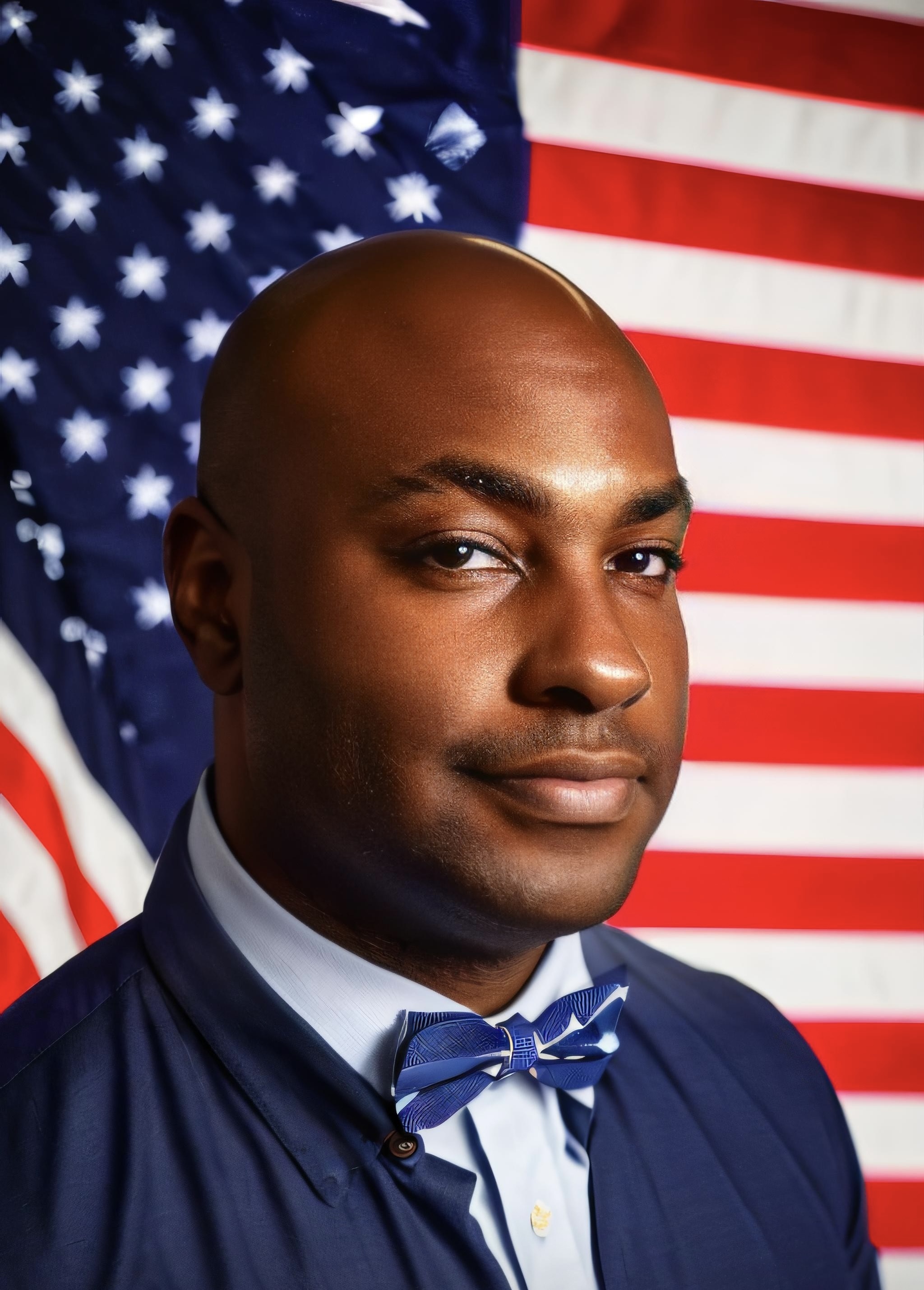
Keith Terry
Chapin, SC
Impaired driving is a term most people think they understand, but for me, its meaning goes far beyond alcohol or illegal substances. After nearly two decades working in school transportation coordinating routes, supervising drivers, and responding to roadside emergencies I have witnessed how many forms impairment can take. Impaired driving is any condition that limits a person’s full ability to operate a vehicle safely. It can come from drugs, alcohol, fatigue, distraction, stress, grief, medication, or even misplaced confidence. It is misunderstood because so many people believe impairment only applies to “other drivers,” never to themselves. I have seen drivers with spotless records dismiss their own fatigue, or underestimate the impact of a phone call, a tension-filled morning, or even a bad night’s sleep. Even individuals who have completed driver’s education or traffic school often think the rules are reminders, not realities until something happens that forces them to confront the truth.
In today’s world, the most common forms of impairment are distraction, fatigue, alcohol, drugs (both prescription and recreational), texting, and emotional stress. Distracted driving has become one of the most widespread issues, largely because phones have become extensions of our hands. People underestimate how quickly a moment of “I’m just checking this message” turns into a lane drift or missed stop sign. Fatigue is another underestimated impairment; it slows reaction time, decreases focus, and magnifies small mistakes. I have seen seasoned drivers fall asleep at red lights without realizing how tired they really were. Alcohol and drugs remain persistent problems, particularly as more states legalize marijuana and more adults rely on medications that cause drowsiness or delayed response times. Stress is rarely talked about, but it affects thousands of drivers it fogs the mind, shortens patience, and diverts attention inward instead of toward the road. All of these impairments change behavior, judgment, and reaction time, creating unsafe conditions for the driver and everyone else sharing the road.
My understanding of impaired driving changed significantly when I was 18 years old. I was an innocent bystander when I was shot in the head and pronounced dead on arrival. I survived with no lasting brain trauma, which is a miracle in itself but the experience permanently altered how I view safety, vulnerability, and responsibility. When you have faced death at a young age, you see everything differently. You see how quickly lives can change. You understand that one moment one choice, one distraction, one impaired driver can alter a family forever. I carried that awareness with me into adulthood and into my career in school transportation. The safety of children is not theoretical to me; it is personal.
Over the years, I have responded to collisions involving buses and passenger vehicles. In many cases, the cause traced back to some form of impairment: a parent rushing to school on too little sleep, a teenager sending a text, a driver underestimating the impact of cold medicine, or someone who believed one drink “wouldn’t make a difference.” I have had conversations with drivers both professional and everyday motorists who did not realize that their impairment was impairment. The phrase “I didn’t think it would affect me” is one I hear more often than anyone should. Every time I hear it, I am reminded of how fragile life is and how important education truly is.
Driver’s education and traffic school courses play a critical role in shaping attitudes and behaviors around impaired driving. These programs work best when they go beyond teaching rules and start teaching reality. Young drivers, especially, benefit from hands-on demonstrations, real-life scenarios, and stories from people who have lived with the consequences of impaired driving. Effective programs help students understand why the rules matter not just what the rules are. Traffic safety courses also reinforce safe habits that experienced drivers sometimes forget: maintaining focus, monitoring fatigue, understanding the effects of medications, and taking responsibility for mental and emotional readiness before getting behind the wheel.
What makes these programs effective in real life is their ability to bridge knowledge and behavior. Many people know the laws, but they don’t always apply them. Courses that include simulations, testimonies, case studies, and reflective activities help drivers internalize the seriousness of impaired driving. When you feel the impact emotionally, mentally, or through interactive training you become more committed to prevention.
My role in preventing impaired driving goes far beyond my own behavior behind the wheel. With my background in school transportation leadership, I train teams, speak with parents, and work closely with bus drivers to reinforce safety practices. I take every opportunity to coach others on recognizing signs of fatigue, managing stress, and understanding how even legal substances can affect driving. I use my own life story when appropriate because it reminds people that tragedy does not discriminate. I also encourage a culture in which speaking up is seen as responsible, not disrespectful. If someone notices a colleague who appears tired, distracted, or emotionally overwhelmed, I teach them that it is not only acceptable but necessary to intervene.
Personally, I choose to lead by example. I put my phone away while driving. I rest when I am tired instead of pushing through. I avoid medications that affect my alertness. I pause and check in with myself mentally on days that are stressful or emotionally heavy. These choices protect not just me, but everyone around me. They are small habits that add up to a safer community. Impaired driving is preventable, and prevention starts with awareness, education, and personal responsibility. I believe driver’s education has the power to save lives, but it must be matched with individuals who are willing to take what they learn and apply it daily. I am committed to being one of those individuals, and I am committed to encouraging others to do the same.
Content Disclaimer:
Essays are contributed by users and represent their individual perspectives, not those of this website.



3 votes
An accident that made me aware that also time and impatience can be impairement
Karin Deutsch


