2025 Driver Education Round 3
Every Second Counts

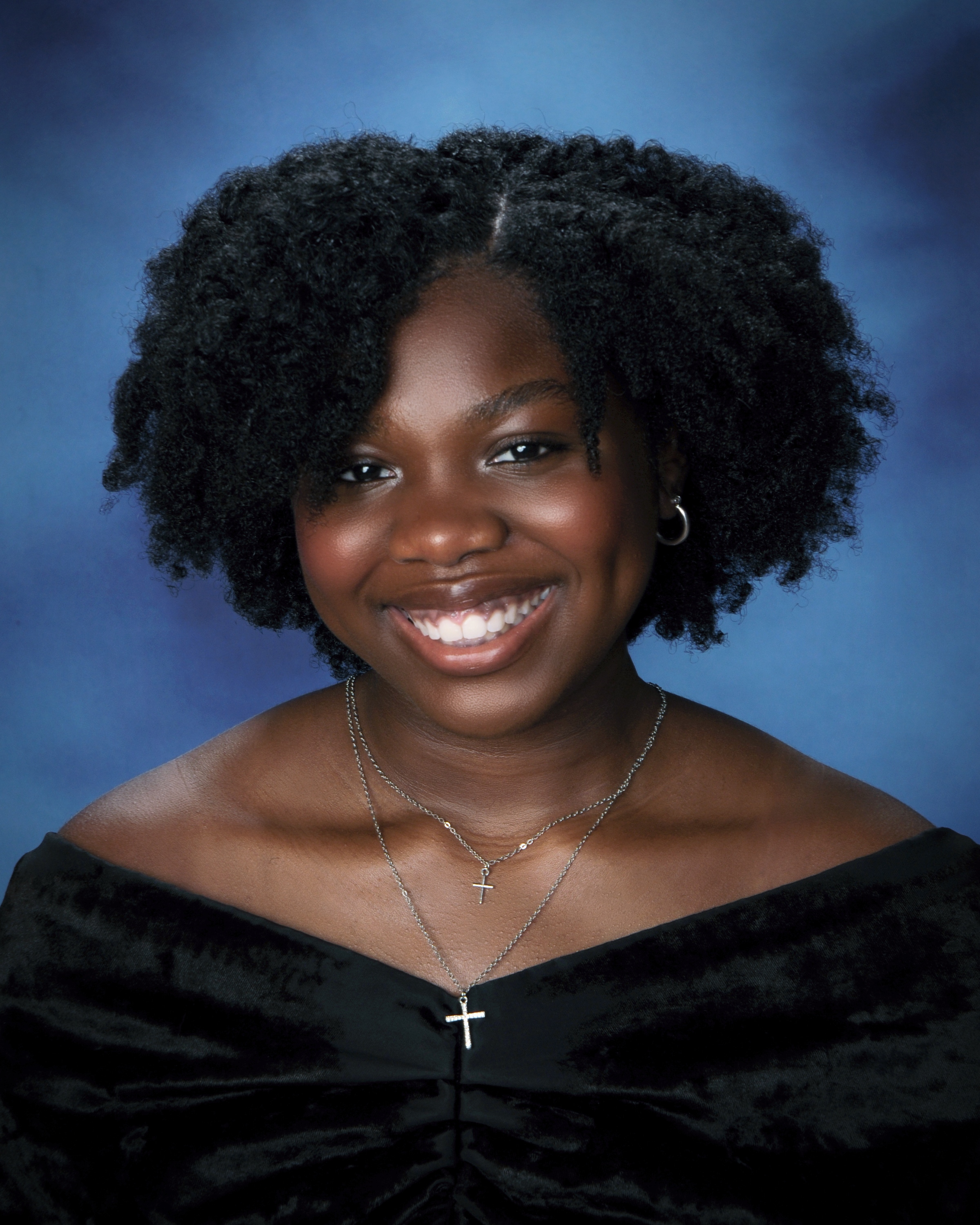
Parthina Meshrky
Rancho Cucamonga, CA
Every turn of the wheel holds a moment that can change a life forever. The world behind a windshield seems calm. Sunlight glints off the asphalt, tires hum against the pavement, and the rhythm of traffic lulls drivers into a false sense of routine. But that calm is an illusion. I may not have my license yet, but I spend hours as a passenger in my sister’s car, observing every turn, every glance, every decision. From that seat, I notice the smallest details, the flicker of a phone screen, the tilt of tired eyes, the hesitation before a turn. Impaired driving is not only alcohol or drugs. It is fatigue that dulls reflexes, texting that steals a glance from the road, and wandering thoughts that drift a mind elsewhere. To drive is to carry more than a steering wheel; it is to hold the lives of everyone around you. Many believe that finishing driver’s education makes someone safe, but every driver, no matter how skilled or educated, faces a fragile chance with every turn, every stop, every second.
Fatigue and distraction are the quietest threats. Teenagers, including my sister, often drive after long school days, sports practices, or volunteer work. I watch her blink against exhaustion, her attention occasionally pulled by a phone or a thought, and I realize how easily safety can slip through our fingers. Phones are especially deceptive. A “quick reply” seems harmless, but three seconds is all it takes to miss a stop sign or drift into another lane. Alcohol and drugs remain serious dangers, but the everyday distractions, the ones we treat as mundane, can carry the same weight of tragedy. Observing these moments has taught me the importance of vigilance, communication, and intervention, even from the passenger seat.
One story reshaped my understanding completely. A family friend’s cousin, texting while driving, lost control of their car. The vehicle flipped, metal bent and screeched against the unforgiving asphalt. Miraculously, they survived, but the scars, both physical and emotional remain. Listening to their story gave life to statistics I had long ignored. Impaired driving is not numbers; it is birthdays missed, dreams cut short, and families forever changed. Since then, I made a silent promise to myself: my focus will stay sharp, my voice will speak up, and I will help remind others of the fragile weight they carry behind the wheel.
Traffic safety courses can transform awareness into action. They are not just about memorizing rules. Simulations, crash videos, and interactive lessons show the cost of mistakes in ways that stay with you far beyond the classroom. A single second of distraction feels abstract until you see a car swerve, metal crumple, and a life altered forever. Education that combines knowledge with emotional understanding leaves a lasting imprint, shaping safer choices for a lifetime. Even as a passenger, I notice how defensive driving, awareness of surroundings, and attentiveness make a difference. Courses that focus on consequence, responsibility, and empathy are the ones that truly save lives.
I carry these lessons every time I ride in a car. Vehicles are not just machines; they are guardians of moments not yet lived. I plan rest for long drives, remind passengers to stay alert, and intervene gently when distraction appears. Small choices repeated consistently ripple outward, influencing friends and family far beyond the immediate journey.
One evening, driving home after a late practice, the sky glowed in purples and oranges, streets nearly empty. A car full of teens pulled up beside us, faces lit by their phone screens, laughter spilling into the quiet night. Watching my sister navigate past them, I felt the edge of chaos, the fragility of life suspended in seconds. That single scene reminded me that impaired driving is never abstract. It is immediate. Consequences are real, and vigilance is not optional.
Safe driving is a mosaic of awareness, education, and action. Routine can feel harmless, but every choice has stakes that ripple outward. By modeling responsibility, sharing stories, and encouraging others to make small but deliberate safety decisions, we can reduce accidents and protect lives. Knowledge paired with real-world awareness leaves a deeper mark than any law or test ever could. Every time I sit in a car, I remind myself: my life is not the only one at risk. Every second matters.
Impaired driving is a shared responsibility, a societal challenge that calls for mindfulness. The road is more than asphalt and signs, it is a network of lives relying on each other to make careful, conscious choices. My goal is to treat every ride with the respect it deserves, to inspire those around me to do the same, and to help create a culture where distraction does not cost a life. Even as a passenger, I can make a difference. Awareness, communication, and deliberate action can save lives. Every second counts.
Content Disclaimer:
Essays are contributed by users and represent their individual perspectives, not those of this website.


An accident that made me aware that also time and impatience can be impairement
Karin Deutsch