2025 Driver Education Round 3
Every Second Counts: How Impaired Driving Affects Us All
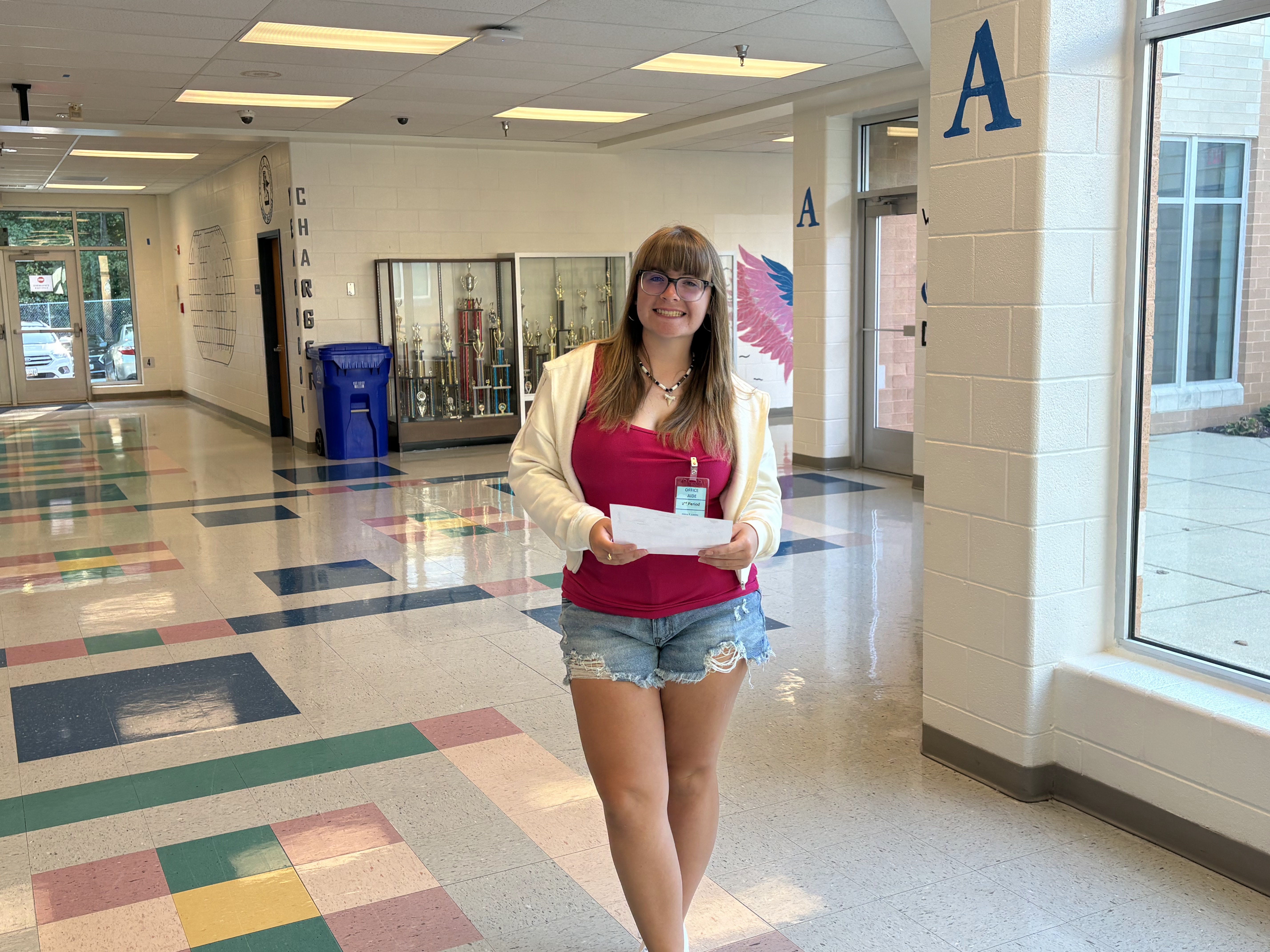
Dixie Carr
Indian Head, MD
Impaired driving means driving when a person is not able to think clearly, react quickly, or stay fully aware of what is happening on the road. Many people may think impaired driving only refers to drunk driving, but there are many other ways someone can be impaired. A person can be impaired by drugs, including those given by a doctor or recreational drugs such as marijuana, tobacco, alcohol, by being extremely tired, or distractions like texting or talking on the phone. I think impaired driving is sometimes misunderstood because people often believe that if they feel okay, then they are okay to drive. Even people who have taken driver’s education or traffic safety classes may forget how much focus driving really requires. Some drivers get used to driving every day and start to think they can handle anything, but impairment affects everyone the same way. The body and brain cannot work at full ability when something is slowing them down, even if it is the smallest of things.
As of now, the leading causes of impairment can be listed as alcohol consumption, drugs, and texting while driving. Alcohol is still a primary factor since it affects the body in such a way that it increases the time taken to react, and it also impairs one's judgment. A drinking man or woman might think that he or she is the one in control, but in reality, the brain is not very fast in processing information and cannot deal with sudden changes on the road. It takes 0.40 and 1% in the breathing centre in the brain, or the action of the heart may be anesthetized. In the United States, 34 people die in drunk driving crashes, that's one person every 42 minutes. While drugs may not directly affect the person, they may indirectly alter thinking and reaction time; therefore, a person on the drug may say they are being tranquilized. Besides drugs, users' judgment has been greatly impaired. Texting is now regarded as one of the top modern-day dangers. With notifications and messages, our phones' presence is always felt, and they keep pulling our attention. Just a glance at the phone for even a second means a driver is not entirely focused on the road, and when a car is in motion, the distance covered in that brief moment can be considerable. The impairment of a lack of sleep is usually overlooked among the driver group.
Driver’s education and safety courses are among the main and best methods to teach the public about the consequences of impaired driving. The courses show road signs and driving laws to the students. They take the students to real-life situations and the consequences of these situations. For instance, some classes show videos of crashes or bring in speakers who have personally suffered loss as a result of impaired driving. I had the opportunity, while on a field trip, to wear goggles that stimulate what it feels like to be drunk and see what it is like to drive in a simulation with those goggles mimicking the real-life situation. These courses advocate that driving is a very responsible act. By driving, we not only impact our lives but also the lives of all the people who are around us.
A story that changed the way I think about impaired driving came from a speaker named Chandler Gerber I heard in class. This story happened in Bluffton, Indiana. It was in the morning, and the driver was heading to his job. He was in an Amish town, where there were buggies on the road. The driver of the vehicle overtook the buggy and hit the buggy from behind. He was texting and driving. The driver looked away for only a moment, but that moment was enough to take the lives of 3 members of that Amish family, 3 young kids to be exact. The message the driver was sending was not important. It could have waited. Hearing how that loss affected the family made me realize that the consequences of one small decision can last forever. After learning about this, I started to change my own habits. Now I put my phone out of sight when I drive so I am not tempted to look at it. And if I am ever with someone who seems impaired, I am now more willing to speak up, even if it feels uncomfortable. I would rather be a little awkward than allow something dangerous to happen.
Tired, upset, and distracted are my moods that I can choose to avoid driving. My cell phone can be stored far away from me before I even start the car. If I see someone making an unsafe choice, I can speak up. I can persuade my relatives and friends to be smart when going out, like selecting a sober driver or using a driving service. If someone regularly opts for safety, the likelihood of others doing the same will be increased. Just one person cannot solve the problem entirely, but at the same time, he/she can still make a choice that will result in saving lives. Every second on the road can lead to years' worth of consequences; something so simple can lead to something massive. The word "if", a small word with a big meaning, "if I didn't smoke marijuana before I left", "if I called for a ride after drinking", "if I didn't answer my phone while on the road", these small and simple statements using "if" can lead to massive problems with even bigger consquences.
As of now, the leading causes of impairment can be listed as alcohol consumption, drugs, and texting while driving. Alcohol is still a primary factor since it affects the body in such a way that it increases the time taken to react, and it also impairs one's judgment. A drinking man or woman might think that he or she is the one in control, but in reality, the brain is not very fast in processing information and cannot deal with sudden changes on the road. It takes 0.40 and 1% in the breathing centre in the brain, or the action of the heart may be anesthetized. In the United States, 34 people die in drunk driving crashes, that's one person every 42 minutes. While drugs may not directly affect the person, they may indirectly alter thinking and reaction time; therefore, a person on the drug may say they are being tranquilized. Besides drugs, users' judgment has been greatly impaired. Texting is now regarded as one of the top modern-day dangers. With notifications and messages, our phones' presence is always felt, and they keep pulling our attention. Just a glance at the phone for even a second means a driver is not entirely focused on the road, and when a car is in motion, the distance covered in that brief moment can be considerable. The impairment of a lack of sleep is usually overlooked among the driver group.
Driver’s education and safety courses are among the main and best methods to teach the public about the consequences of impaired driving. The courses show road signs and driving laws to the students. They take the students to real-life situations and the consequences of these situations. For instance, some classes show videos of crashes or bring in speakers who have personally suffered loss as a result of impaired driving. I had the opportunity, while on a field trip, to wear goggles that stimulate what it feels like to be drunk and see what it is like to drive in a simulation with those goggles mimicking the real-life situation. These courses advocate that driving is a very responsible act. By driving, we not only impact our lives but also the lives of all the people who are around us.
A story that changed the way I think about impaired driving came from a speaker named Chandler Gerber I heard in class. This story happened in Bluffton, Indiana. It was in the morning, and the driver was heading to his job. He was in an Amish town, where there were buggies on the road. The driver of the vehicle overtook the buggy and hit the buggy from behind. He was texting and driving. The driver looked away for only a moment, but that moment was enough to take the lives of 3 members of that Amish family, 3 young kids to be exact. The message the driver was sending was not important. It could have waited. Hearing how that loss affected the family made me realize that the consequences of one small decision can last forever. After learning about this, I started to change my own habits. Now I put my phone out of sight when I drive so I am not tempted to look at it. And if I am ever with someone who seems impaired, I am now more willing to speak up, even if it feels uncomfortable. I would rather be a little awkward than allow something dangerous to happen.
Tired, upset, and distracted are my moods that I can choose to avoid driving. My cell phone can be stored far away from me before I even start the car. If I see someone making an unsafe choice, I can speak up. I can persuade my relatives and friends to be smart when going out, like selecting a sober driver or using a driving service. If someone regularly opts for safety, the likelihood of others doing the same will be increased. Just one person cannot solve the problem entirely, but at the same time, he/she can still make a choice that will result in saving lives. Every second on the road can lead to years' worth of consequences; something so simple can lead to something massive. The word "if", a small word with a big meaning, "if I didn't smoke marijuana before I left", "if I called for a ride after drinking", "if I didn't answer my phone while on the road", these small and simple statements using "if" can lead to massive problems with even bigger consquences.
Content Disclaimer:
Essays are contributed by users and represent their individual perspectives, not those of this website.



3 votes
An accident that made me aware that also time and impatience can be impairement
Karin Deutsch


