2025 Driver Education Round 3
Every Second Counts: How One Moment Changed How I See Driving Forever
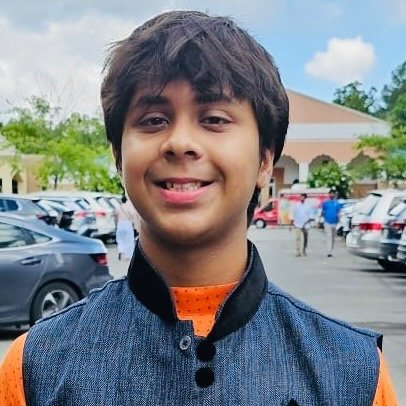
Parth Singh
Cary, NC
Every time we get in a car, we take a chance. A chance on our own lives and on the lives of everyone around us. It rarely feels that way, though. Driving feels normal, something we do every day without thinking. But the truth is that every time we buckle a seatbelt or start an engine, we are trusting hundreds of strangers to make the right choices at the same time we do. We are trusting them to stay alert, stay focused, and care enough to keep others safe. Safe driving is not just about knowing how to operate a car. It is about understanding that every second behind the wheel carries weight. Someone’s life depends on those choices.
I am fifteen, and while I am not old enough to drive alone yet, I have already seen what happens when someone behind the wheel loses focus for just a moment. A few months ago, I was in the car with my cousin on the way to a weekend soccer game. The sky was gray, the roads slick from early rain, and the morning traffic was steady. We were laughing about something silly when I noticed her phone light up on the dashboard. She glanced at it, reached over, and started typing a quick message. In the same instant, the car ahead of us stopped short. My cousin’s hands tightened on the wheel, and we slid forward before she slammed on the brakes. The seatbelt caught across my chest, and everything jolted forward. The car stopped just inches from the one in front of us.
The silence afterward was heavier than the sound of the tires skidding. Neither of us spoke for a few seconds. My cousin’s hands were shaking on the steering wheel, and she whispered, “That could have been really bad.” It could have been. A few more inches and someone could have been hurt, or worse. That day changed the way I see driving. I realized how fragile it really is, how quickly things can go wrong, and how easy it is to think you are in control until you are not.
After that day, I started noticing things I had never paid attention to before. I noticed how often people check their phones at stoplights, how many drivers drift slightly out of their lane while adjusting the radio, and how easily impatience turns into danger. We like to believe we are good at multitasking, but behind the wheel, multitasking is another word for risk.
My cousin still talks about that moment sometimes. She says it made her slow down, turn her phone on silent before driving, and remind her friends to do the same. It changed me too, even though I was only a passenger. It made me think differently about what kind of driver I want to become. I want to be the kind of person who understands that safety is not about luck. It is about awareness, attention, and respect for the lives around you.
The truth is that driving is one of the most dangerous things people do every day, but we treat it as something ordinary. We hop into cars, turn up the music, and assume everything will go right. We forget that every person on the road has something they are heading toward: a family dinner, a job, a future. Every statistic we hear about crashes and deaths represents someone who did not make it to where they were going.
That is why driver’s education is so important. It cannot just be about memorizing signs or passing a test. It has to teach the reality of what is at stake. Good driver’s education should leave students with a deeper understanding of responsibility, not fear but awareness. It should show what can happen when distractions take over and how one decision can affect countless lives.
I think the most powerful way to teach this is through stories and real experiences. Hearing from crash survivors, first responders, or families who have lost someone can make a lasting impact. Facts can fade, but stories stay. When we hear from someone who says, “It was just one message, and I never saw my best friend again,” it becomes real. When we watch a simulation that shows what happens when a driver looks away for a few seconds, it becomes unforgettable. Education should connect not only to the mind but to the heart, because that is how lasting change happens.
Even as a passenger, I have learned that everyone in the car shares responsibility. Speaking up when something feels unsafe is not being rude, it is being brave. Now, when someone reaches for their phone while driving, I do not stay quiet. I offer to read or respond for them. I know that one sentence or one distraction can change a life forever.
When I get my license, I want to remember everything I have seen and felt before ever driving alone. I want to remember that silence in the car after the near crash, that sudden wave of fear, and the relief that followed. I want to carry those moments with me as reminders that driving is not just about going somewhere. It is about making sure everyone gets there.
Every second counts. Every choice matters. It does not take experience or age to understand that. I have learned that safety on the road is not something you earn after years of driving. It is a mindset that begins the moment you step into a car. It is about realizing that life is fragile and that one small choice, one look away, one delayed reaction — can decide everything.
Driving safely is not just about following rules. It is about caring enough to protect the people you may never even meet. It should not be this easy to lose a life, and if we can teach that truth early enough, maybe fewer families will have to learn it the hard way. Safe driving starts with awareness, and awareness starts with all of us. Every ride, every second, and every choice counts.
Content Disclaimer:
Essays are contributed by users and represent their individual perspectives, not those of this website.


3 votes
An accident that made me aware that also time and impatience can be impairement
Karin Deutsch