Imagine this: someone dies because they—or someone they trusted—decided to drive impaired. Impaired driving isn’t just about alcohol or drugs. It’s about knowingly putting yourself, your loved ones, and total strangers in danger because of one selfish or careless choice. The truth is, the biggest consequence of impaired driving isn’t the fine, or the ticket, or even the jail time — it’s the guilt, grief, and emptiness left behind. It’s the families that get the knock on their door in the middle of the night. It’s the birthdays that never get celebrated again. It’s the faces people can’t forget.
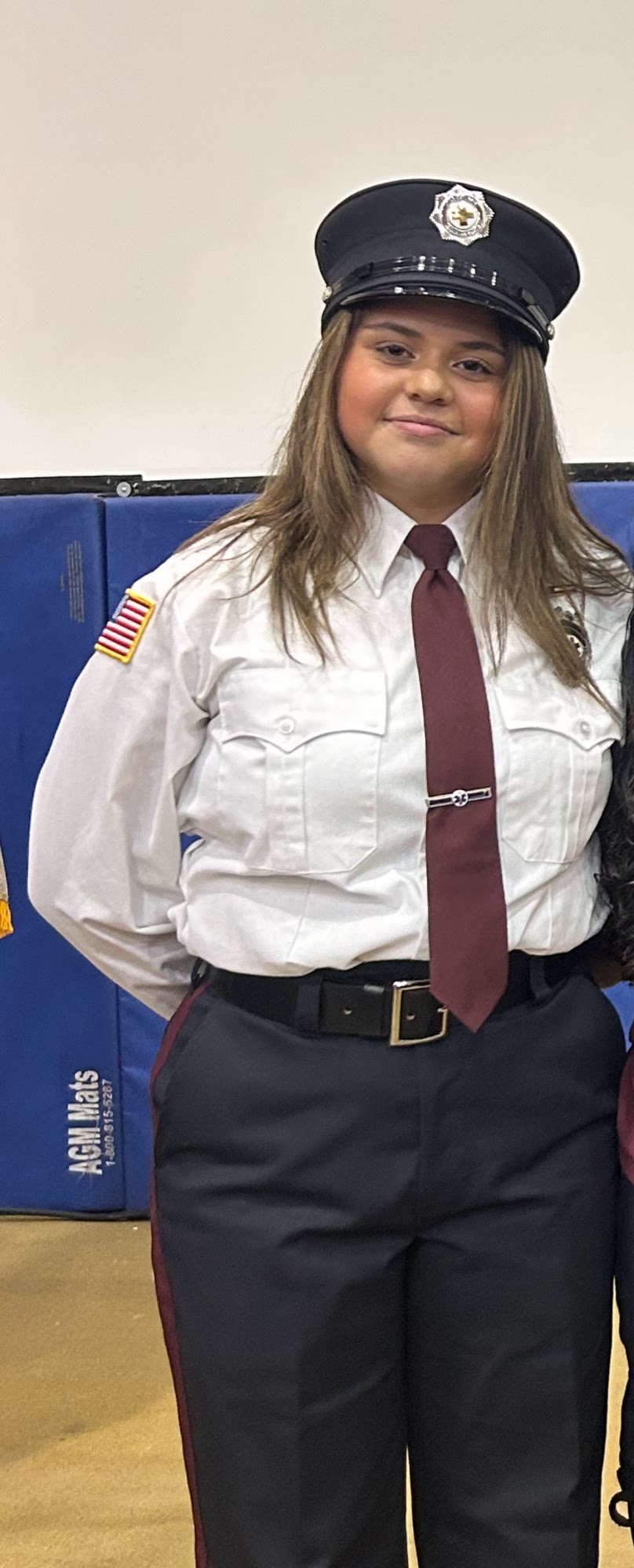
I’ve seen what impaired driving does. For almost five years, I’ve been an EMT — a first responder who has seen everything from minor fender benders to complete tragedies. Some accidents end with relief and tears of gratitude. Others end with body bags and silence. Every time, it’s a reminder that life can change in an instant because of one bad decision.
One night, my crew and I came across a crash on the highway. Two cars were completely totaled — one had crashed into a tree, the other was facing oncoming traffic, crushed on the driver’s side. The man who caused the accident was under the influence of alcohol and completely exhausted. He had a head laceration but was unconscious, then woke up and was incoherent. The other driver, a woman, was trapped in her car, shaking uncontrollably. Both were taken to the hospital and eventually recovered, but the crash could have easily ended their lives. The drunk driver got lucky that night — most don’t.
Another night, a distracted driver blew through a red light at high speed. A mother and her adult son had the green light and were making a turn when he slammed into them. Their car spun multiple times, glass flying everywhere. The distracted driver’s car flipped several times before tearing apart, throwing him from the vehicle. The mother and son were rushed to the hospital as a precaution and, thankfully, survived. But the other driver didn’t. When I reached him, he was gone — cold, alone, and crying. I will never forget that image. His car was destroyed, his phone nowhere to be found, and his tears were frozen in place. He probably never thought that would be his last drive. That’s what impaired driving does — it steals futures, families, and second chances. It turns ordinary people into ghosts.
So how do we stop it? It starts with education and awareness. Driver’s education and traffic school courses can play a huge role in changing attitudes and behaviors around impaired driving. These programs are effective when they go beyond just teaching rules and instead show the real consequences. When students learn about reaction time, blood alcohol concentration, or the effects of fatigue and distraction, it’s not just theory — it’s a matter of life and death.
I believe these programs work best when they use live demonstrations. Many high schools do mock crashes where students act as victims, and emergency crews come in with flashing lights and stretchers. It’s staged, but the emotions are real. Seeing a classmate pretend to die in front of you, seeing parents “grieving” on the sidelines — it hits differently. It’s not just a story anymore. It becomes an image that stays in your mind. Those live demos push across the point in a way no lecture ever could. They make you feel the weight of the choice before you ever have to face it in real life.
But even with strong education programs, real change has to come from within. We all have a personal role in preventing impaired driving. For me, it starts at home. I make sure my family doesn’t get behind the wheel if they’ve been drinking or are too tired to drive. I make sure I don’t either. If someone I know is impaired, I take their keys, call them a ride, or offer to drive them myself. It’s uncomfortable sometimes, but it’s better to deal with an awkward conversation than a tragedy.
My EMT knowledge and training give me a responsibility to talk about what I’ve seen. I’ve witnessed too much pain to stay silent. I share my experiences not to scare people, but to make them think before it’s too late. I tell people that alcohol and drugs aren’t the only dangers — distraction and fatigue are just as deadly. Texting while driving is no different than closing your eyes for a few seconds at 60 miles per hour. The moment you lose focus, everything can change.
I’ve learned that preventing impaired driving isn’t just about laws or punishments — it’s about changing mindsets. It’s about understanding that driving is a privilege, not a right, and that every time you turn the key, you hold other people’s lives in your hands.
If my story can make even one person stop and think before driving impaired, then it means something. I don’t want another parent to hear that their child isn’t coming home. I don’t want another friend to get that phone call. And I don’t want another first responder to have to kneel beside a stranger, knowing it’s already too late.
So please — prevent another ghost passenger
Content Disclaimer:
Essays are contributed by users and represent their individual perspectives, not those of this website.



3 votes
An accident that made me aware that also time and impatience can be impairement
Karin Deutsch


