2025 Driver Education Round 3
How to Reduce the Epidemic of Impacted Driving
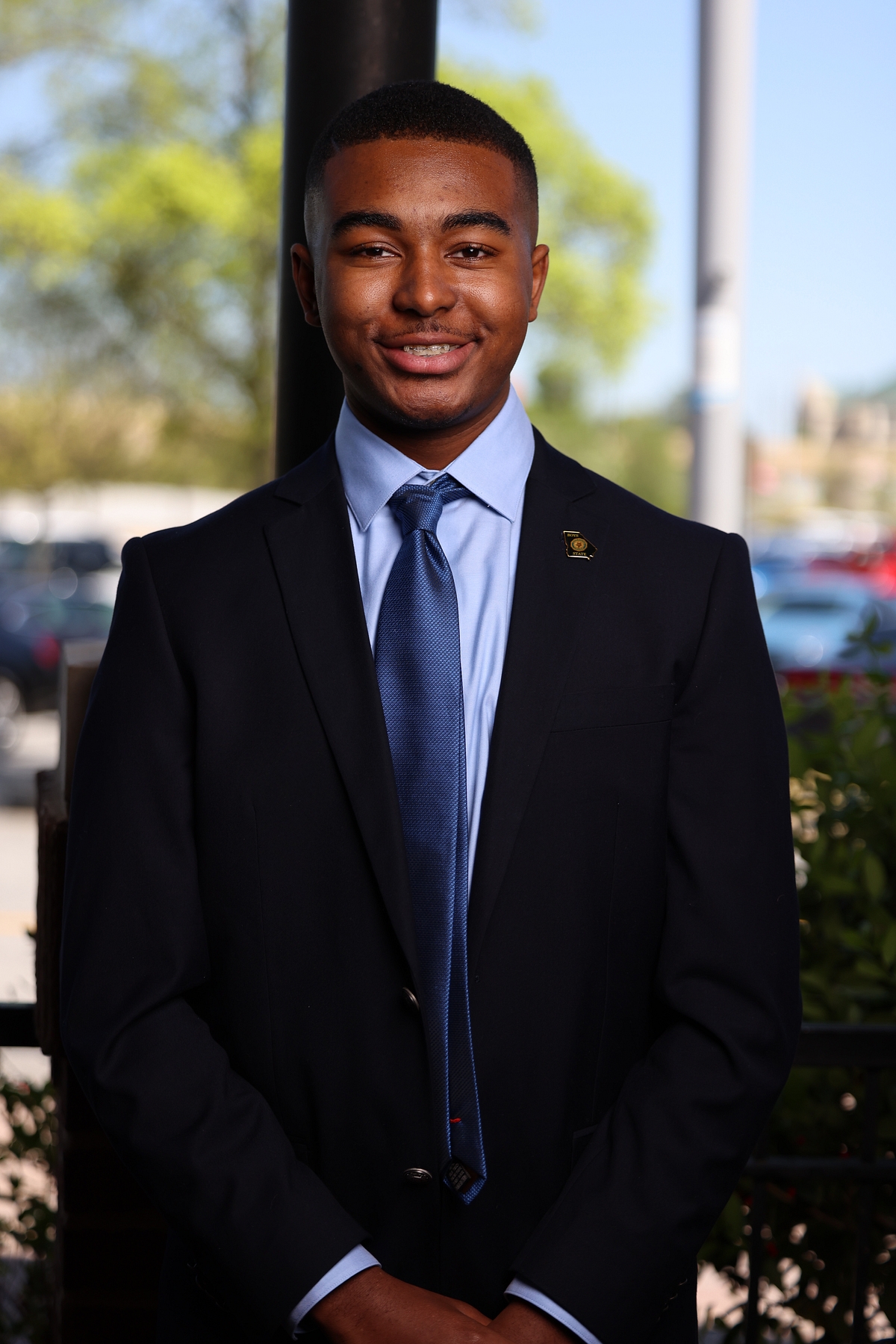
Anthony Brantley, Ii
Kennesaw, GA
Impaired driving is often addressed in statistics and headlines, but its impact can be deeply personal and life-altering. For me, impaired driving is not just a concept. It's an experience that has reshaped my perspective, priorities, and purpose. Whether as a direct victim, a witness, or someone whose life has been touched by the consequences, I understand all too well the cost of a few seconds of inattention behind the wheel.
It only takes a moment, a drink, a drug, a glance at a phone, a quick reply to a text for everything to change. In my case, it was during a late evening at home with my family when I heard the distinct sound of tires squealing, followed by a loud crash. Our home is the second house in our subdivision and very close to the main road. Realizing something terrible had just happened, my family and I threw our shoes on and ran outside, where we were met with the terrified looks of our neighbors. Just past the entrance to our subdivision, a car skidded off the winding road and hit a very large and sturdy oak tree. The car had smoke billowing from broken windows, and flames were beginning to emerge from under the hood. Glass and debris were scattered across both lanes of the street. My mom ran back inside our home to call 911…
The crash was fatal, and was especially devastating because a student so close to my age was dead. She was a star volleyball player with a full college scholarship. The worst part was learning her death was entirely preventable.
We later learned that she hadn’t been drinking but had been texting her boyfriend. She decided to pick up her phone to check a message, and in that split second, drifted into the next lane and hit a tree that is still standing with the scars of that night. Tire marks in the red clay informed the police that she had tried to swerve back, but it was too late.
Our student body and community were shaken. Everyone remarked how a bright future had been extinguished too soon. The visuals of that night have been ingrained in my mind.
One of the biggest challenges in addressing impaired driving is how deeply ingrained it is in our culture. Phones are an extension of our hands. Notifications demand our attention constantly. Many are tempted to partake in underage drinking or drugs. For young drivers like me, who are still developing good habits, this culture is especially dangerous. We are more likely to respond to social pressure, more connected to our devices, and often overconfident in our multitasking abilities.
Many young people believe they can glance at a message without consequences. What they don't realize is that sending or reading a text takes your eyes off the road for about five seconds. At 55 mph, that's like driving the length of a football field blindfolded. No one would ever agree to do that, yet millions of drivers do it every day without thinking of the risk and consequences.
To prevent impaired driving, especially among youth, society has to change the way it talks about it. Fear-based messages and statistics have their place, but they don’t always resonate with my generation. Young drivers need to see the real consequences, stories, faces, and voices, as I did that night. Distracted driving needs to be seen as socially unacceptable as drunk driving.
Ironically, technology, which causes so many distractions, can also be part of the solution. One idea I support is the use of apps that block texts and notifications while driving. These apps can send automatic replies to incoming messages saying the user is driving and will respond later. Encouraging young drivers to install and use these tools can be an effective way to change behavior.
Car manufacturers are also incorporating more hands-free features and driver-assist technologies. While helpful, these shouldn’t encourage complacency. Education needs to accompany these tools to emphasize that no technology can replace full attention.
Driver's education programs like DMV EDU.org teach about the consequences of impaired driving. I believe it should be a core component of every curriculum. Interactive simulations that show how impairments impact reaction time and decision-making would clearly illustrate to youth the risk of distracted driving. Imagine students sitting behind the wheel of a driving simulator, trying to text or having the equipment simulate the effect of drinking or drugs while navigating a busy road, and seeing the results in real time. This hands-on experience can leave a far more lasting impression than a lecture or worksheet.
Another idea is to integrate impaired driving awareness into social studies or health classes. Assignments could include interviewing someone affected by an impaired driving incident, creating public service announcements, or researching local laws and proposing improvements. By weaving it into the broader educational experience, we make it a topic of ongoing thought and discussion.
Young people respond best to messages from their peers. That’s why student-led clubs, similar to SADD (Students Against Destructive Decisions), can play a powerful role. These clubs could host “no phone zones,” offer incentives for impairment-free driving pledges, and run contests for the best awareness campaigns. The key is to make safety something that feels empowering, not boring or authoritarian.
We can also use social media influencers who resonate with young audiences. A heartfelt video from a popular YouTuber or TikTok creator about losing a friend to impaired driving could go viral and save lives. Adults must meet young drivers where they are—not just in schools or on billboards, but in their social media feeds, conversations, and daily lives.
We can’t undo the past, but we can shape the future. Through peer-led campaigns, technology, interactive education, and a cultural shift, we can reduce impaired driving and its devastating effects. One person at a time, one story at a time, we can help make our roads and lives safer.
Content Disclaimer:
Essays are contributed by users and represent their individual perspectives, not those of this website.



3 votes
An accident that made me aware that also time and impatience can be impairement
Karin Deutsch


