2025 Driver Education Round 3
Impaired Driving
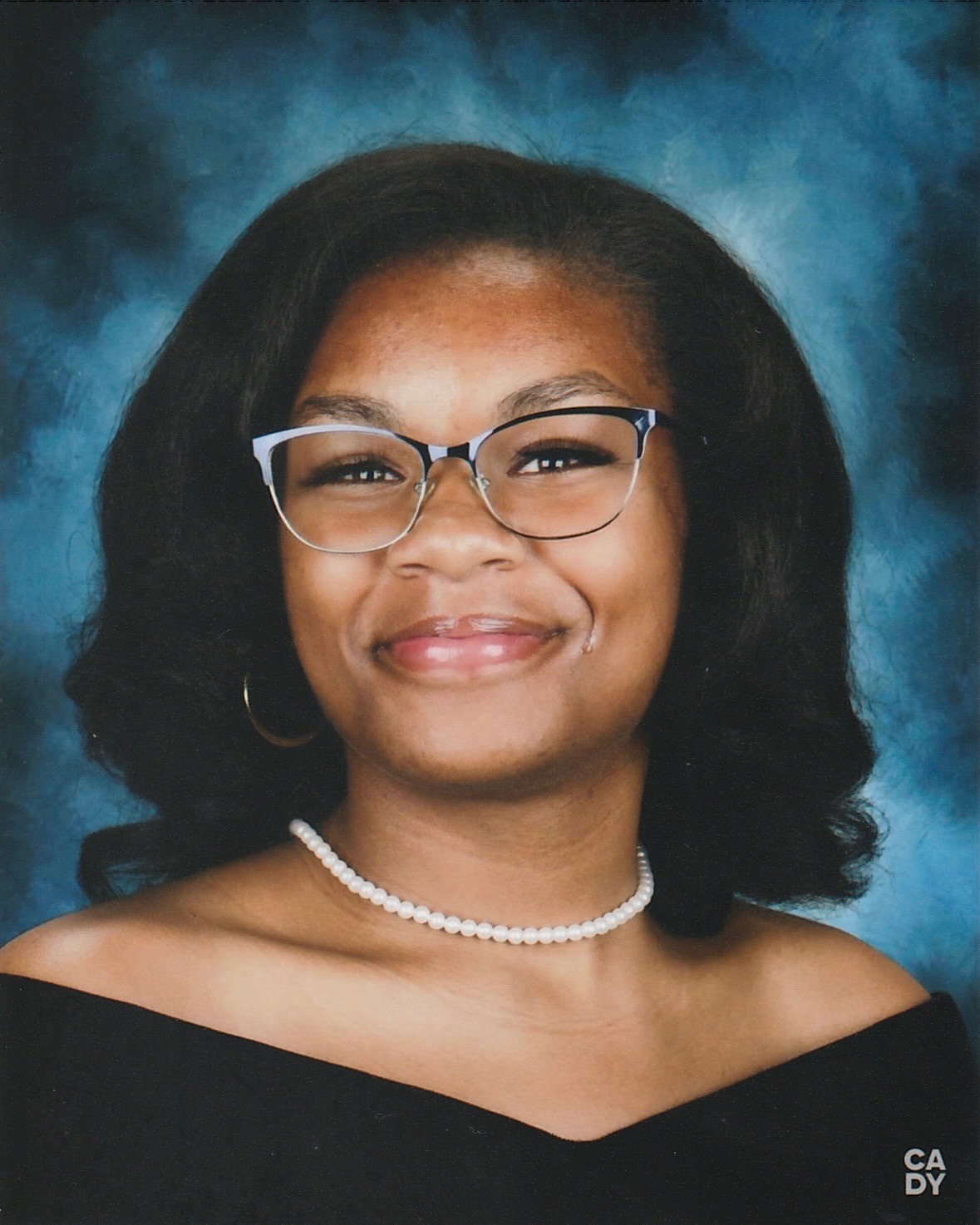
Alaysia Portee
Blythewood, South Carolina
Impaired driving is driving under the influence of something that could negatively affect your ability to operate a vehicle safely. One of the most common types of impairment is distracted driving. This can include phone use, eating, changing the radio, and interacting with other passengers. Most people don’t think of these actions when they think of impaired driving because they don’t require a substance to be ingested, but the effects on one’s cognitive abilities and focus are similar. The driver's attention is being taken away from the road, meaning that they aren’t completely tuned into what's going on around them. When most people think of impaired driving, they think of things like alcohol and drugs. While these two substances do count, there’s other ways too. Some prescription medicines have side effects like fatigue and nausea that can affect drivers. Many people have experienced driving while tired, which falls under the umbrella of impaired driving. A human’s reaction time is much slower when tired and it’s easy to lose concentration, especially when driving for long periods of time. I myself have experienced this after not getting enough sleep. I have a class that requires me to wake up at 6am. If I don’t get enough sleep the night before it’s significantly harder to stay concentrated while driving. While this has made me take getting enough sleep much more seriously, I’ve also been exposed to the stories of others as well. During my drivers education class there were many videos that showed the aftermath of vehicles in car accidents and the testimonies of family members who were killed by impaired drivers. I feel like education requires people to face the realities of driving headon. Everyone knows the basic rules like don’t text and drive, don’t drink and drive, and always wear a seatbelt, but education and training brings about genuine awareness. In my experience, we had to go through an 8 hour class where we couldn’t be on our phones and couldn’t fall asleep. If so, we wouldn’t be able to go forward with driving lessons. Not only were the videos educational and shared things like statistics, but they also connected with us emotionally. Hearing the testimony of others and having a visual of what could happen if we choose to make unsafe choices was greatly impactful. Honestly it made me weary for a little, but like anything just made me want to be as responsible as possible. Not only are the tips helpful, but they’ve left a lasting impact on how I operate a car and view car safety. Social media has made it easy for those to bring awareness and share their experiences as well. What’s made the most profound impact on me, are the videos I’ve seen of those personally affected. Specifically, a YouTuber I’d been watching for years, Vereena, had suddenly stopped posting. Over a year later she posted a video again. She was the passenger of a motorcycle being driven by an impaired driver. They were speeding and crashed into another car. Vereena lost her memory of the last few years, broke numerous bones, had her jaw shewn shut, and can no longer walk. She was in a coma for months and will have to undergo physical therapy for a long time. This had such an impact on me because she wasn’t the one driving. She was just the passenger. The driver unfortunately did not survive. Impaired driving affects more than just one person, it’s putting the lives of others at risk. While I already knew how important it was to not drive under the influence, this really cemented my decision to drive as safely and responsibly as possible. Personally I think knowing my limit is the best I can do to prevent impaired driving. If I know I’m tired or emotional, to wait or take a nap before I sit behind a wheel. I also take medication regularly, but it’s important to know how medicine affects the body. Sometimes when I get sick the doctor prescribes medicine that makes me more drowsy. I also have influence of those around me. I’m not of drinking age yet, but I can offer to be a designated driver to those around me who I know may have been drinking. I know teens are impressionable and heavily value the words of their peers, so discouraging any unsafe behaviors I see in others can be a good preventative measure as well. I feel like being an advocate and speaking out against what’s wrong is the best thing I can do as a bystander to influence the decisions of others.
Content Disclaimer:
Essays are contributed by users and represent their individual perspectives, not those of this website.



3 votes
An accident that made me aware that also time and impatience can be impairement
Karin Deutsch


