2025 Driver Education Round 3
Impaired Driving and the Impact
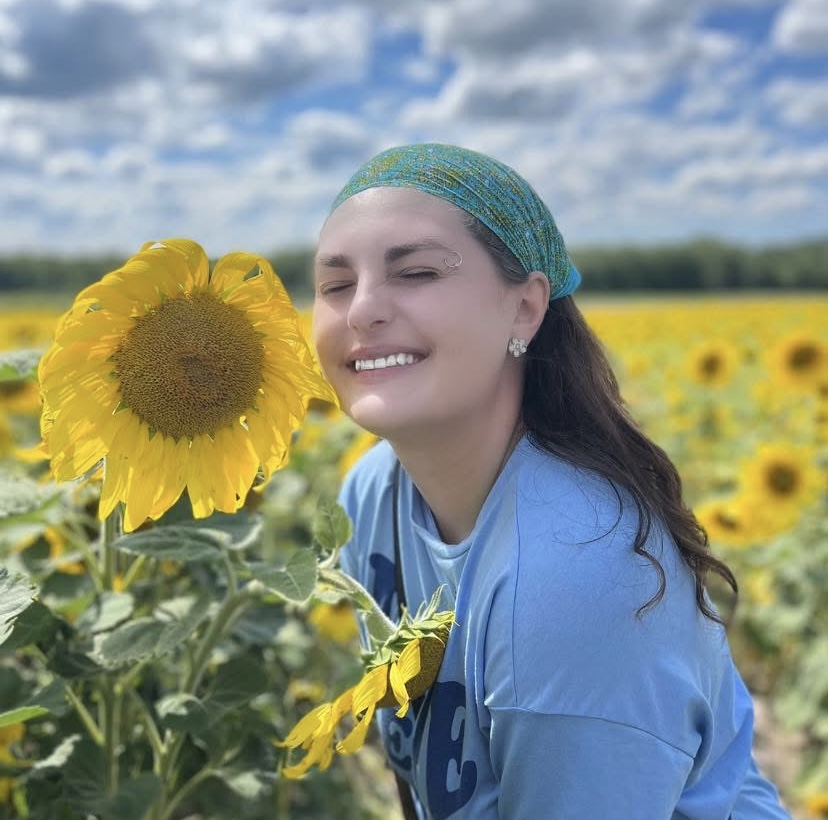
Marissa Balduzzi
Syracuse, New York
Impaired driving means losing control before you even touch the steering wheel. In my mind, it is not just about being drunk or high. It is about any moment where someone is not fully aware of what they are doing, when their mind or body is somewhere else but they drive anyway. It can happen to anyone, at any time, and that is what makes it so dangerous. It is one of the most preventable causes of death, yet people keep convincing themselves that they are fine, that it will never happen to them.
Before last year, I knew impaired driving was bad. I had seen the data. I had heard the lessons in driver’s education, watched the crash videos, and answered the quiz questions about how alcohol slows your reflexes. But it never felt personal. I thought those stories belonged to other people, people far away. Then it happened to us.
It was a normal September evening in 2024. My fiancé was just running to the grocery store. He stopped at a red light behind two teenage girls who had only recently gotten their licenses. A man in a Ford F150 came speeding toward them. He was so drunk that he never even hit the brakes. He slammed into the line of cars, crushing everything in front of him. My fiancé’s car was caught in the middle. He had no time to react.
When I got the call, I remember my heart stopping before I even knew the details. All I heard was that there had been an accident. The rest felt like a blur. I remember the emergency room, the waiting, the questions, the fear. I remember seeing his car later, folded in half, the trunk wrapped over our children’s car seats. I could not stop staring at those seats. If our kids had been in the back that day, they would not have survived.
The drunk driver had been in another crash less than a year before, also for driving under the influence. Yet somehow, he was back behind the wheel. This time, he destroyed several lives. My fiancé spent a year out of work. He is an HVAC technician, a job that depends on his body. Now he lives with daily pain in his back and neck, and he still thinks about the trauma. The crash took more than his health. It took our sense of safety, our peace of mind, our stability. The medical bills piled up. We are still waiting on lawyers, still waiting for some kind of justice, but no amount of money will ever undo what happened.
Before that day, I thought impaired driving was something you could avoid by being responsible for yourself. I never thought about how much we depend on others to make the same choice. You can do everything right, follow every rule, and still have your life shattered by someone else’s decision to drink and drive. That realization changed everything for me.
Impaired driving is misunderstood because people still treat it like a one-time mistake instead of a pattern of thinking. It is not just about alcohol. It is also about people who drive tired, who scroll on their phones at stoplights, who let their minds go when they should be focused. Impairment is anything that takes away your full attention or judgment. We are surrounded by it every day, and too many people think it does not apply to them.
Driver’s education can help change that if it focuses on more than just rules and penalties. Those lessons matter, but they do not always reach the heart. What truly changes people is seeing and hearing what impaired driving does to real lives. I believe driver’s education should include survivor stories and victim impact stories, because numbers on a screen do not stay with you, but emotion does. When students hear from someone who lost a loved one, or someone who still struggles years later, it leaves a mark that never fades.
Driver’s education should also show students how to plan ahead before they ever face a decision behind the wheel. Simple tools like arranging a ride home, checking how certain medications affect driving, or recognizing when fatigue is just as dangerous as alcohol can save lives. It should teach people how to step in when they see someone else making a bad choice. Speaking up might be awkward in the moment, but it can prevent a tragedy.
Since the crash, I have made it my mission to speak out whenever I can. I remind friends to call for a ride. I do not hesitate to take someone’s keys if I have to. I tell our story, not because it is easy, but because silence only keeps people comfortable in their denial. Every time I get behind the wheel, I think about that day. I think about how close we came to losing everything. That memory keeps me careful. It keeps me grateful. It keeps me alive.
Impaired driving took away part of our life that we can never get back, but it also gave me a reason to fight for change. If my words or my experience can make even one person stop and think before driving impaired, then some small good has come from all this pain. Education can save lives, but only when it goes beyond the classroom and reaches people’s hearts. That is where real change begins.
Content Disclaimer:
Essays are contributed by users and represent their individual perspectives, not those of this website.


3 votes
An accident that made me aware that also time and impatience can be impairement
Karin Deutsch