2025 Driver Education Round 3
Impaired Driving Has to Stop
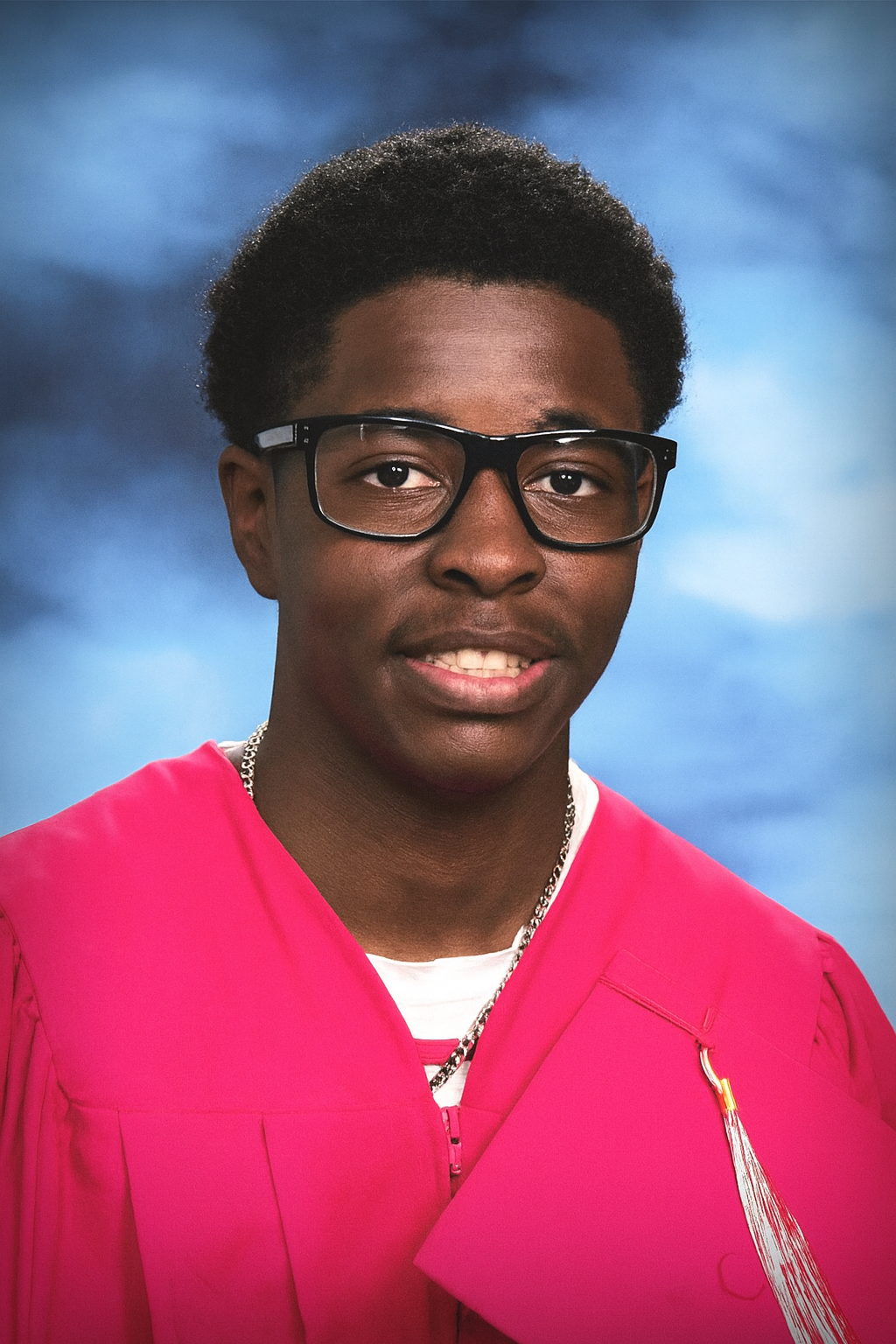
Kishawn Gantt
Richton Park, IL
To me, impaired driving means getting behind the wheel when you’re not fully focused or in the right headspace to drive safely. Growing up in Chicago, I’ve seen how fast things can go wrong on the road, so driving while distracted or not at your best is a big deal. A lot of people misunderstand what “impaired” really means. They think it’s just being drunk, and if they went through driver’s ed or traffic school, they feel like they already know everything. But the truth is, impairment can be anything—being tired, being high, checking your phone—stuff people don’t always take seriously even though it can be just as dangerous.
When I look at the drivers around me, especially people my age, the most common type of impairment is definitely phone use. Everybody’s glued to Instagram, Snapchat, or responding to messages like it can’t wait ten minutes. Also, everyone is obsessed with going viral these days and often times even speeding on “Live” for views. Tiredness is another one people sleep on—literally. Being exhausted can slow you down mentally just like alcohol can. And of course, alcohol and drugs are still major causes of impaired driving. Even when people think they’re “good” or “can handle it,” their reactions and judgment aren’t the same, and that’s when accidents happen.
What really changed the way I think about impaired driving was hearing about a friend’s older cousin who got hit by a drunk driver while coming home from work late one night. He survived, but the injuries messed him up long-term. The part that stuck with me was when the driver said he “only had a few beers,” like that somehow made it okay. Hearing that made me look at driving differently. Now, I don’t play around with it. If I’m tired, I take a break. If my friends are doing something reckless, I’ll speak up or find another way home. I’m not trying to let someone else’s bad decision ruin my life.
I think driver’s ed and traffic school can really help change how people think about impaired driving, but only when they keep it real. When they show actual stories, real Chicago families, and real consequences—not just boring lectures—it hits harder. Programs are most effective when they connect the lessons to real-life situations we can relate to. Seeing what impaired driving does to real people makes the message stick way more than just hearing a list of rules.
Another thing that matters is how schools and communities continue the conversation outside the classroom. It shouldn’t end after a chapter in a textbook. Guest speakers, interactive activities, or even simulations that show how slow your reaction time gets when you’re tired or distracted can make the message way more powerful. In a city like Chicago, where so many people rely on driving to get to work, school, or take care of family, teaching safe habits early can honestly save lives. When teens see how these decisions affect real neighborhoods—like the ones we grew up in—it becomes less about avoiding a ticket and more about protecting the people we care about.
Personally, I know I have a role in preventing impaired driving too. I can speak up when something doesn’t feel safe and make smarter choices for myself. If I’m ever in a car and the driver isn’t okay to drive, I’m not afraid to say something or call someone else. I try to set an example by staying focused behind the wheel and not letting my phone distract me. And I share what I’ve learned with my friends because sometimes hearing it from someone your own age hits different. Little actions add up—choosing not to text back, offering to drive when someone else is tired, or checking on friends who plan to drive after drinking.
In the end, impaired driving isn’t just some rule you learn in class—it’s about protecting your life and the people around you. In a city like Chicago where there’s already enough danger, the least we can do is make smart choices when we get behind the wheel. By staying aware and encouraging others to do the same, we can help keep our streets safer for everyone. I’ve realized that being a responsible driver isn’t only about avoiding accidents; it’s about being someone others can trust on the road. Even small decisions—like choosing not to rush when I’m running late or putting my phone on “Do Not Disturb” before driving—create safer habits over time. And when more people make those small choices, our whole community benefits. Chicago is a city full of fast movement and constant pressure, but taking a moment to slow down and stay alert can be the difference between a normal day and a tragedy that changes lives forever.
Content Disclaimer:
Essays are contributed by users and represent their individual perspectives, not those of this website.


3 votes
An accident that made me aware that also time and impatience can be impairement
Karin Deutsch