2025 Driver Education Round 3
Impaired driving: How we all can help
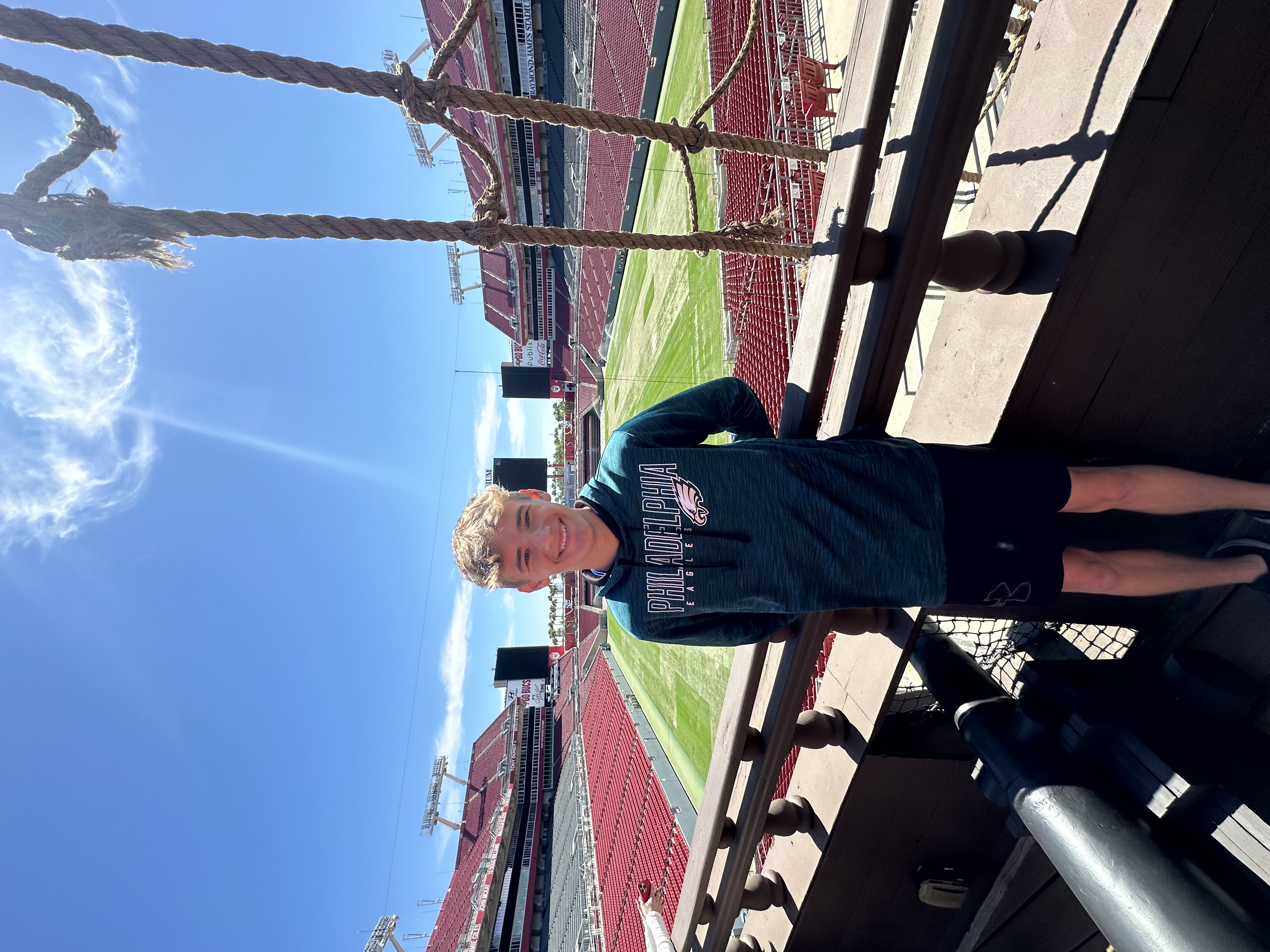
Bryce Matthew Raymer
Pryor, Oklahoma
Impaired Driving: How we all can help
Bryce Raymer-1043 words
Impaired driving is a term that is thrown around all the time, a term that many people pay little attention to. We have all heard the word said at many Driver’s Ed meetings and by our parents. Impaired driving to me is when someone is distracted from the wheel while on the road, putting themselves and possibly others in danger. Driving while impaired is often misunderstood because a lot of people aren't fully aware of the dangers. Many drivers who have taken the proper courses and instruction in order to get their license, have the “It can't happen to me.” mentality while on the road. These drivers think that they can easily drive even when they are slightly impaired. Let it be checking their phone once while on the highway. Or taking a small drink of alcohol before getting behind the wheel. People dismiss these things as merely small incidents that won't cause them harm. When I first heard the term “impaired driving” I only thought of extreme cases like drunk driving or when someone sent a full text while driving. I and many others have fallen victim to this notion that drivers can get away with tiny distractions. But it's important to know that there's no such thing as a “tiny” distraction on the road.
Parents and Drivers Ed instructors alike are faced with the dilemma of what type of impaired driving they should most strongly warn new drivers about. While all of them are equally as dangerous as the other, texting by far has to be the most common. With phones all but consuming the daily lives of billions, it's safe to assume these types of problems would arise. While going down the road at whatever speed, even taking your eyes off of the road for a mere second to check a notification can have drastic consequences. Any number of things can happen in those few seconds that could cost you your life, or the lives of others. Drunk driving is another leading cause of deaths on the road. Many people often make the mistake of assuming they can properly drive with just a little alcohol in their system. Regardless of the amount, it is never safe to be driving while any amount of alcohol is in your system. These substances can affect a person's reaction time and their ability to focus exponentially. The same can be said for fatigue. Driving home late after work or driving home after a party. Drivers often drift into the other lane which could lead to a collision. Each of these types of impaired driving have to be taken seriously by all drivers.
No one in my immediate family thankfully has been impacted by impaired driving. But not too far away, there was a kid that hit a deer while heading to school early in the morning. He called his parents, and they came out to the spot where he had hit the deer to check his car for damage. The road they were on was very narrow, so they did the right thing by turning on their flashers to warn other drivers. Someone on their phone came down the road as the kid and his parents stood behind his vehicle. The driver did not see the flashers as they drove ahead nor them in the road. At the very last second, the father of the kid pushed him and his mother into a ditch to avoid getting hit by the speeding car. He saved both of their lives that day but gave up his own. Every day on my way to school, I pass by the spot where that tragedy took place. It has done a lot to change my opinion on impaired driving. I now understand that impaired driving can happen to anyone, even the most experienced drivers. Every choice and every split-second decision you make while behind the wheel has consequences.
In the years since it became mandatory for new drivers to take an education course, many students feel far more confident behind the wheel. But for young students not fully aware of the consequences of impaired driving, the courses must take more steps to ensure that all students know the full extent their actions could potentially have. One of the first ways to make the proper impression upon a new driver is to show them testimonies of people who have lived through crashes. Videos and in person lessons by these survivors could go a long way of showing the real and human impact of impaired driving. Another way to properly instruct new drivers is to provide them tips on how to plan their drives far in advance so they can prepare better and to avoid driving impaired. Lastly, students should be taught to speak up when someone they know is driving or is about to drive while impaired. In a world where driving impaired is common, new drivers should be the ones to step up and make a difference.
Many kids around the world often play the game “Follow the leader.” One kid, either by popularity or by initiative, steps up to lead the other kids to follow them around. This same type of game can be used to limit the effects of impaired driving. I can personally help with impaired driving by leading by example. Showing others the dangers of driving while impaired and helping them plan around times they might be tired or angry before getting behind the wheel. I can also share with others the human cost of impaired driving along with the importance of making responsible choices.
Everyday billions of people make decisions. Most of these decisions won't hurt anyone. But impaired driving is one of those decisions that have real life consequences. But it's also the most preventable. Students can lead the change that is needed when it comes to impaired driving. They can educate others about the many dangers that come along with it and how to work around it. For all of the people that have lost family and loved ones due to impaired driving, I hope their stories can be used for the change we all want to see in the world.
Content Disclaimer:
Essays are contributed by users and represent their individual perspectives, not those of this website.



3 votes
An accident that made me aware that also time and impatience can be impairement
Karin Deutsch