2025 Driver Education Round 3
Impaired Driving: More Than Just Alcohol
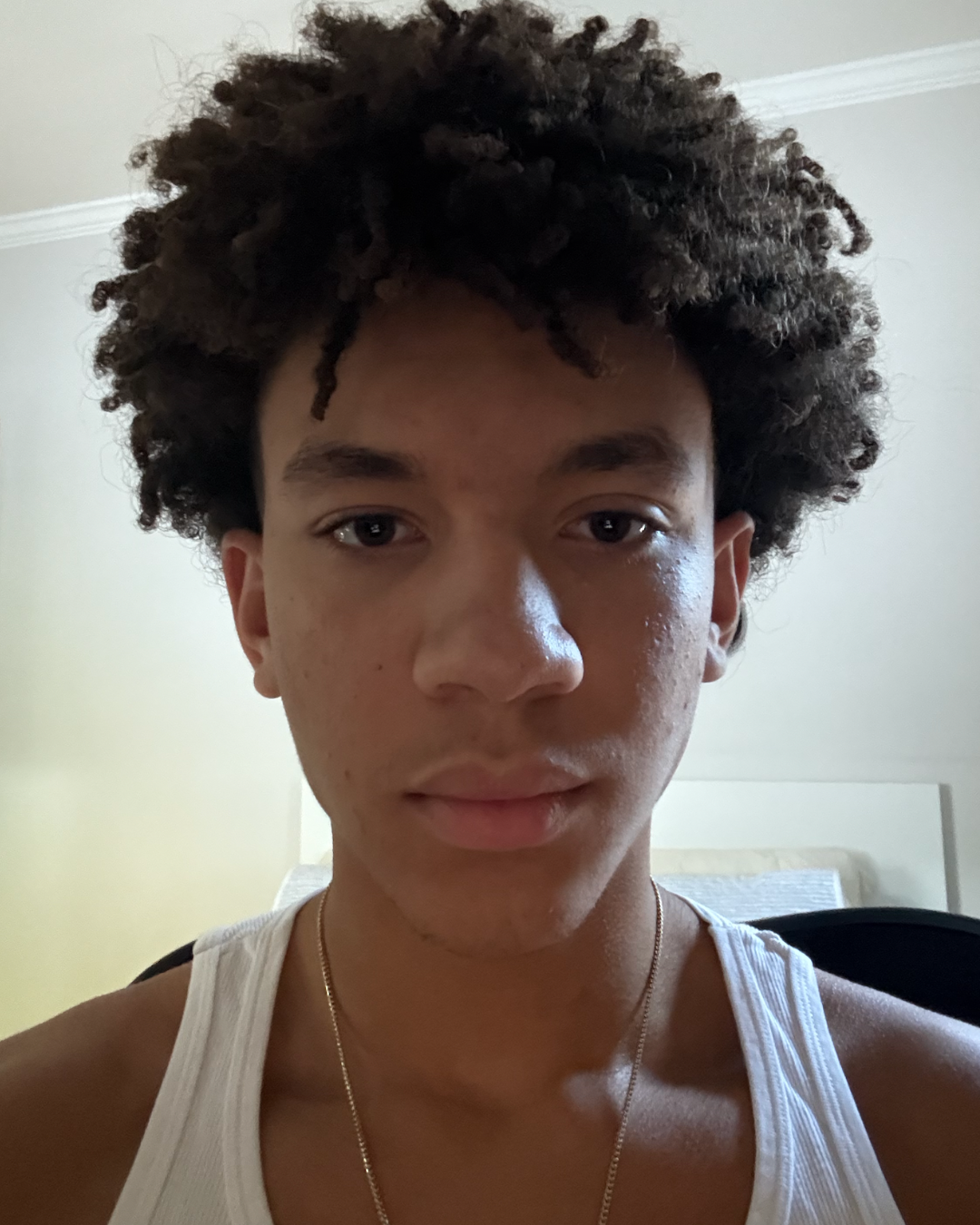
Menelik Ventour
Stamford, Connecticut
When I think about “impaired driving,” I don’t just think about someone who is drinking too much and getting behind the wheel. To me impaired driving is driving when anything is stopping you from being fully alert and at 100 percent. It can be alcohol, drugs, being really tired, or even looking at your phone for a split second. The worst part is that some people don’t see these things as dangerous. Even drivers who have taken the driving safety courses you need to get a license sometimes think, “I’m fine, it’s just one drink” or “I can text quickly and still see what’s in front of me.” That’s why impaired driving is not understood. It doesn’t always have to be something big or dramatic, but it can still be deadly.
Today, there are many kinds of impairment. Alcohol is one of the most obvious, and it slows down reaction time and ruins your judgment. Drugs also can make people drowsy or unable to think like they normally would. Texting or using social media while driving is another big problem. Even looking down for three seconds means you’re basically driving blind without a clue what’s in front of you. Being tired is another big one that not many people talk about. Driving while half asleep is like driving drunk, because your body reaction time is slower and sometimes people drift off behind the wheel into other lanes. All of these impairments make it easy for accidents to happen, not because people want to crash but because they think they can do more than they actually can, and they underestimate how dangerous even small distractions can become.
I once heard a story that really changed how I look at impaired driving. A friend of mine was driving home after a long shift at work after school and a football practice. He wasn’t drunk, but he was exhausted. He ended up falling asleep at the wheel for just a second and crashed into a guardrail. Luckily, he survived, but his car was destroyed. When I heard that, it hit me that impairment isn’t only about alcohol or drugs. Being tired can be just as dangerous. That story made me more cautious about making sure I’m fully awake and on top alert before I drive. I realized that the choices I make don’t just affect me, they affect everyone else on the road. A single mistake caused by impairment can change lives forever, and that is something I will never forget.
Driver’s education and traffic safety courses are important because they help people learn of the dangers before they make a mistake. In class we don’t just learn the rules of the road, but also what happens when you break them. Seeing crash videos and hearing statistics in class make the risks feel real. These courses don’t just teach facts, they change attitudes and make students think twice before putting themselves or others at risk. They show us that driving is a responsibility, not just a skill to have fun. That’s why they can be effective in real life. When students see the consequences in a safe environment, they’re more likely to make better decisions later on when they are on their own.
I believe I have a role in preventing impaired driving too. I can know not to get in the car if I know I’m too tired, or distracted. I can put my phone in the glove box so I’m not trying to check it while driving. I can also speak up if I’m with friends and someone wants to drive impaired. It might feel weird and like I’m doing too much at the moment, but it could save lives. I also want to share what I’ve learned with others, especially younger students or friends who are just starting to drive. If my knowledge can help someone else think twice before driving impaired, then I’ve already made an impact. I know peer influence is powerful, and if I can be the type of person who makes others stop and think before taking risks, that is already progress.
In the end, impaired driving is preventable, but it requires responsibility and awareness. It’s not just about alcohol or drugs, it’s about anything that takes away from being a safe driver and at a 100 percent. Education, stories, and personal responsibility all help in fighting this problem. Driver’s education can give us knowledge, but it’s up to us to use it every time we’re on the road. I know that I can’t control what everyone else does, but I can control my own actions. And by making safe choices, I want to influence others to do the same. That’s how we can keep lives safe and make our roads safer for everyone, both now and in the future.
Content Disclaimer:
Essays are contributed by users and represent their individual perspectives, not those of this website.


An accident that made me aware that also time and impatience can be impairement
Karin Deutsch