2025 Driver Education Round 3
Impaired Driving: My Perspective and Responsibility
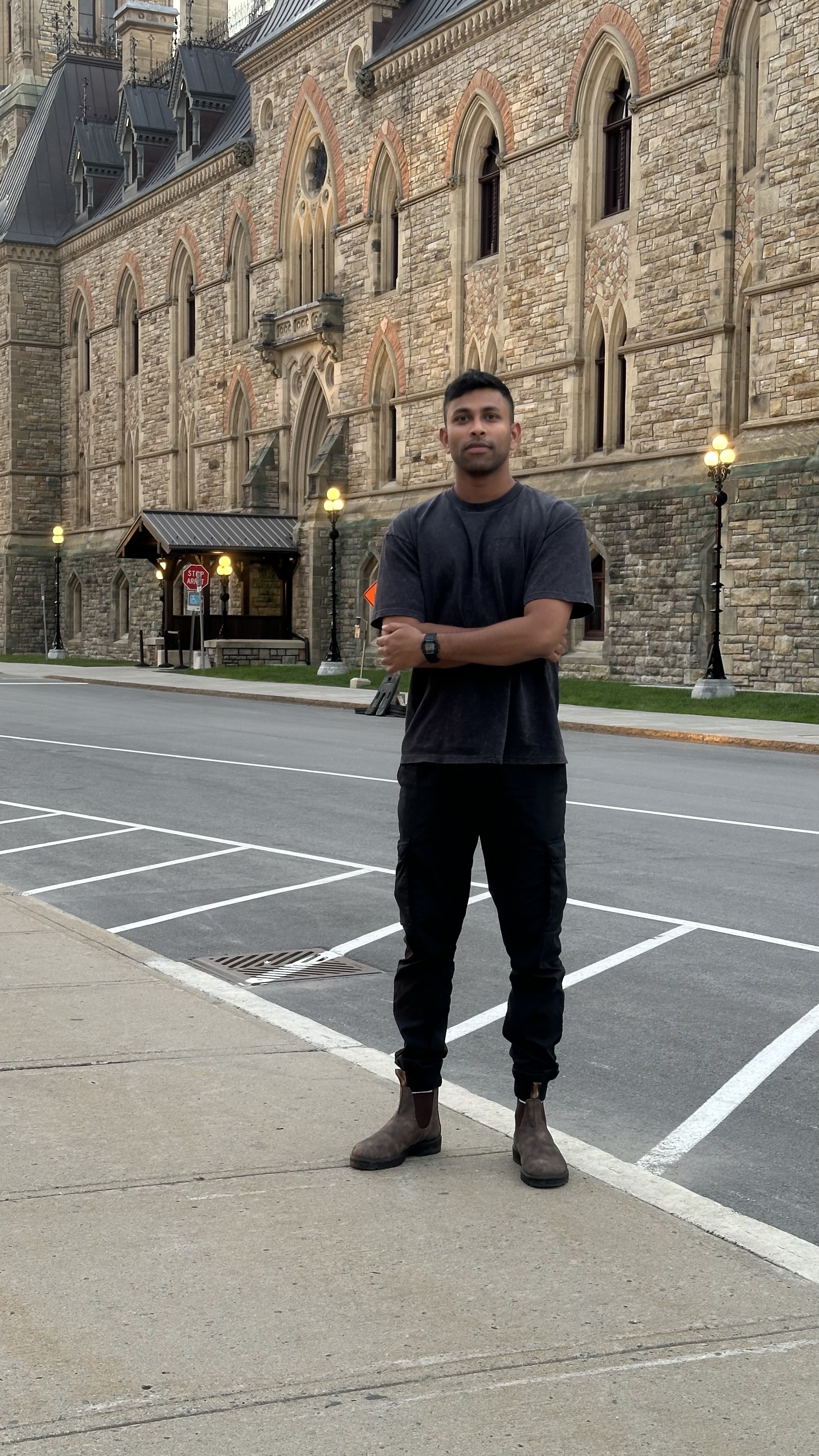
Muralikrishnan Arackaparambil Venu
Barrie, Ontario
When most people hear "impaired driving," they immediately think of someone who's had too much to drink at a party and foolishly gets behind the wheel. That's definitely part of it, but to me, impaired driving means so much more than just drunk driving. It's any situation where a driver's ability to operate a vehicle safely is compromised—whether that's from alcohol, drugs, exhaustion, or distraction. It's about recognizing that driving requires our full attention and capability, and anything that takes away from that puts everyone on the road at risk.
The problem is, impairment isn't always obvious, even to the person behind the wheel. That's why it's so often misunderstood, even by drivers who've completed driver's education or traffic school. We're taught the legal limits for blood alcohol content and the dangers of texting while driving, but there's a huge gap between knowing the rules and truly understanding how impairment affects us personally. Someone might think, "I only had two beers, I'm fine," or "I can totally handle checking this one text message," or "I'm just a little tired, I'll be okay." The truth is, our brains are really good at lying to us about our own capabilities, especially when we're tired, distracted, or under the influence of something. Driver's education gives us the facts, but it doesn't always prepare us for those real-world moments when we have to make tough decisions about whether we're actually safe to drive.
Looking at the types of impairment we see most commonly today, alcohol and drugs are still major factors, but I think distraction—especially from phones—has become equally dangerous, if not more so. Every time I'm on the road, I see drivers staring down at their laps, clearly texting or scrolling through reels. It's become so normalized that people don't even realize how dangerous it is. When you're looking at your phone, even for just a few seconds, you're essentially driving blind. At highway speeds, those few seconds mean you've traveled the length of a football field without looking at the road. That's terrifying when you really think about it.
Fatigue is another huge one that doesn't get talked about enough. We live in a culture that glorifies being busy and sleep-deprived. People brag about pulling all-nighters or running on just a few hours of sleep. But drowsy driving is incredibly dangerous—studies show that being awake for 18 hours straight impairs your driving ability as much as having a blood alcohol content of 0.05%. Yet somehow, we don't treat it with the same seriousness as drunk driving. People will readily admit they're exhausted and then get in their car anyway, thinking they can just power through it.
As for drugs, it's not just illegal substances anymore. With marijuana legalization spreading and prescription medications being so common, we're dealing with a whole new set of challenges. Someone might think that because their medication is prescribed or because marijuana is legal in their state, it's fine to drive. But impairment is impairment, regardless of whether the substance is legal or not.
I haven't been directly involved in an impaired driving accident, but I heard a close friend's life completely fall apart because of it. He'd been drinking at a party and thought he was "fine enough" to drive home, but he caused a major collision in which 3 cars were totaled, including his. My friend ended up spending one month in jail, lost his license, and now has a criminal record that follows him everywhere. Watching someone I knew from school waste away opportunities, damage his future, and worst of all, hurt innocent people because of his terrible choices—it fundamentally changed how I view impaired driving. It's not just about statistics or abstract consequences anymore. I saw firsthand how quickly everything can spiral, how one bad decision compounds into many, and how the guilt and legal consequences can destroy someone's life. Now, I don't take any chances. If there's even a question in my mind about whether I'm good to drive, the answer is “NO”.
So how can driver's education and traffic school actually make a difference? I think the key is moving beyond just teaching rules and statistics. Yes, people need to know the laws and understand the consequences, but what really changes behavior is making it personal and emotional. The most effective programs are the ones that include real stories from accident survivors, families who've lost loved ones, or even people who caused accidents while impaired and have to live with that guilt forever. When you hear someone talk about how one stupid decision destroyed their life and others. Or find any volunteers who can share their story of negligence and the effect that follows them throughout life, to educate others; it will hit the young learners differently than just reading statistics in a textbook.
Driver's education also needs to address the psychological aspects of impairment—why we make bad decisions even when we know better. It's about teaching people to recognize their own impairment and plan ahead. If you know you're going out drinking, arrange a ride home before you even leave the house. If you're exhausted, pull over and take a nap or call someone for a ride. If you need to check your phone, find a safe place to park first. These seem like simple concepts, but they need to be drilled in as automatic responses.
Another crucial element is creating a culture where it's not just acceptable but expected to speak up when someone's impaired. Traffic school should teach us how to have those difficult conversations—how to take keys away from a drunk friend, how to offer to drive someone who seems too tired, how to call out a passenger who's distracting the driver. We need to normalize intervention instead of staying silent out of politeness or fear of being awkward.
What role can I personally play in preventing impaired driving? Honestly, I think it starts with leading by example. Every time I get in a car, I'm making a statement about what responsible driving looks like. That means never driving when I'm impaired in any way, always keeping my phone put away, and being willing to speak up when I see others making dangerous choices.
Beyond my own behavior, I can use my knowledge and training to influence others, especially younger or less experienced drivers. If I see a friend reaching for their phone while driving, I'll offer to handle it for them. If someone's talking about driving home after drinking, I'll offer them a ride or help them get an Uber, no questions asked and no judgment. If I notice someone nodding off or showing signs of fatigue, I'll suggest we take a break or switch drivers.
I also think there's value in having open conversations about impaired driving with friends and family. Not in a preachy, holier-than-thou way, but in an honest way that acknowledges we've all been tempted to make bad choices and that we need to look out for each other. Sharing stories, discussing close calls, and talking about strategies for staying safe—these conversations can genuinely save lives.
At the end of the day, preventing impaired driving is about recognizing that driving is a serious responsibility, not a right we can take lightly. Every time we get behind the wheel, we're operating a machine that could easily kill someone if we're not fully present and capable. That's a sobering reality, but it's one we all need to embrace. Through better education, cultural change, and personal accountability, we can make our roads safer for everyone. It starts with each of us making the commitment to never drive impaired and to help others do the same.
The problem is, impairment isn't always obvious, even to the person behind the wheel. That's why it's so often misunderstood, even by drivers who've completed driver's education or traffic school. We're taught the legal limits for blood alcohol content and the dangers of texting while driving, but there's a huge gap between knowing the rules and truly understanding how impairment affects us personally. Someone might think, "I only had two beers, I'm fine," or "I can totally handle checking this one text message," or "I'm just a little tired, I'll be okay." The truth is, our brains are really good at lying to us about our own capabilities, especially when we're tired, distracted, or under the influence of something. Driver's education gives us the facts, but it doesn't always prepare us for those real-world moments when we have to make tough decisions about whether we're actually safe to drive.
Looking at the types of impairment we see most commonly today, alcohol and drugs are still major factors, but I think distraction—especially from phones—has become equally dangerous, if not more so. Every time I'm on the road, I see drivers staring down at their laps, clearly texting or scrolling through reels. It's become so normalized that people don't even realize how dangerous it is. When you're looking at your phone, even for just a few seconds, you're essentially driving blind. At highway speeds, those few seconds mean you've traveled the length of a football field without looking at the road. That's terrifying when you really think about it.
Fatigue is another huge one that doesn't get talked about enough. We live in a culture that glorifies being busy and sleep-deprived. People brag about pulling all-nighters or running on just a few hours of sleep. But drowsy driving is incredibly dangerous—studies show that being awake for 18 hours straight impairs your driving ability as much as having a blood alcohol content of 0.05%. Yet somehow, we don't treat it with the same seriousness as drunk driving. People will readily admit they're exhausted and then get in their car anyway, thinking they can just power through it.
As for drugs, it's not just illegal substances anymore. With marijuana legalization spreading and prescription medications being so common, we're dealing with a whole new set of challenges. Someone might think that because their medication is prescribed or because marijuana is legal in their state, it's fine to drive. But impairment is impairment, regardless of whether the substance is legal or not.
I haven't been directly involved in an impaired driving accident, but I heard a close friend's life completely fall apart because of it. He'd been drinking at a party and thought he was "fine enough" to drive home, but he caused a major collision in which 3 cars were totaled, including his. My friend ended up spending one month in jail, lost his license, and now has a criminal record that follows him everywhere. Watching someone I knew from school waste away opportunities, damage his future, and worst of all, hurt innocent people because of his terrible choices—it fundamentally changed how I view impaired driving. It's not just about statistics or abstract consequences anymore. I saw firsthand how quickly everything can spiral, how one bad decision compounds into many, and how the guilt and legal consequences can destroy someone's life. Now, I don't take any chances. If there's even a question in my mind about whether I'm good to drive, the answer is “NO”.
So how can driver's education and traffic school actually make a difference? I think the key is moving beyond just teaching rules and statistics. Yes, people need to know the laws and understand the consequences, but what really changes behavior is making it personal and emotional. The most effective programs are the ones that include real stories from accident survivors, families who've lost loved ones, or even people who caused accidents while impaired and have to live with that guilt forever. When you hear someone talk about how one stupid decision destroyed their life and others. Or find any volunteers who can share their story of negligence and the effect that follows them throughout life, to educate others; it will hit the young learners differently than just reading statistics in a textbook.
Driver's education also needs to address the psychological aspects of impairment—why we make bad decisions even when we know better. It's about teaching people to recognize their own impairment and plan ahead. If you know you're going out drinking, arrange a ride home before you even leave the house. If you're exhausted, pull over and take a nap or call someone for a ride. If you need to check your phone, find a safe place to park first. These seem like simple concepts, but they need to be drilled in as automatic responses.
Another crucial element is creating a culture where it's not just acceptable but expected to speak up when someone's impaired. Traffic school should teach us how to have those difficult conversations—how to take keys away from a drunk friend, how to offer to drive someone who seems too tired, how to call out a passenger who's distracting the driver. We need to normalize intervention instead of staying silent out of politeness or fear of being awkward.
What role can I personally play in preventing impaired driving? Honestly, I think it starts with leading by example. Every time I get in a car, I'm making a statement about what responsible driving looks like. That means never driving when I'm impaired in any way, always keeping my phone put away, and being willing to speak up when I see others making dangerous choices.
Beyond my own behavior, I can use my knowledge and training to influence others, especially younger or less experienced drivers. If I see a friend reaching for their phone while driving, I'll offer to handle it for them. If someone's talking about driving home after drinking, I'll offer them a ride or help them get an Uber, no questions asked and no judgment. If I notice someone nodding off or showing signs of fatigue, I'll suggest we take a break or switch drivers.
I also think there's value in having open conversations about impaired driving with friends and family. Not in a preachy, holier-than-thou way, but in an honest way that acknowledges we've all been tempted to make bad choices and that we need to look out for each other. Sharing stories, discussing close calls, and talking about strategies for staying safe—these conversations can genuinely save lives.
At the end of the day, preventing impaired driving is about recognizing that driving is a serious responsibility, not a right we can take lightly. Every time we get behind the wheel, we're operating a machine that could easily kill someone if we're not fully present and capable. That's a sobering reality, but it's one we all need to embrace. Through better education, cultural change, and personal accountability, we can make our roads safer for everyone. It starts with each of us making the commitment to never drive impaired and to help others do the same.
Content Disclaimer:
Essays are contributed by users and represent their individual perspectives, not those of this website.



3 votes
An accident that made me aware that also time and impatience can be impairement
Karin Deutsch


