2025 Driver Education Round 3
Impaired Driving: Understanding, responsibility and my role in prevention
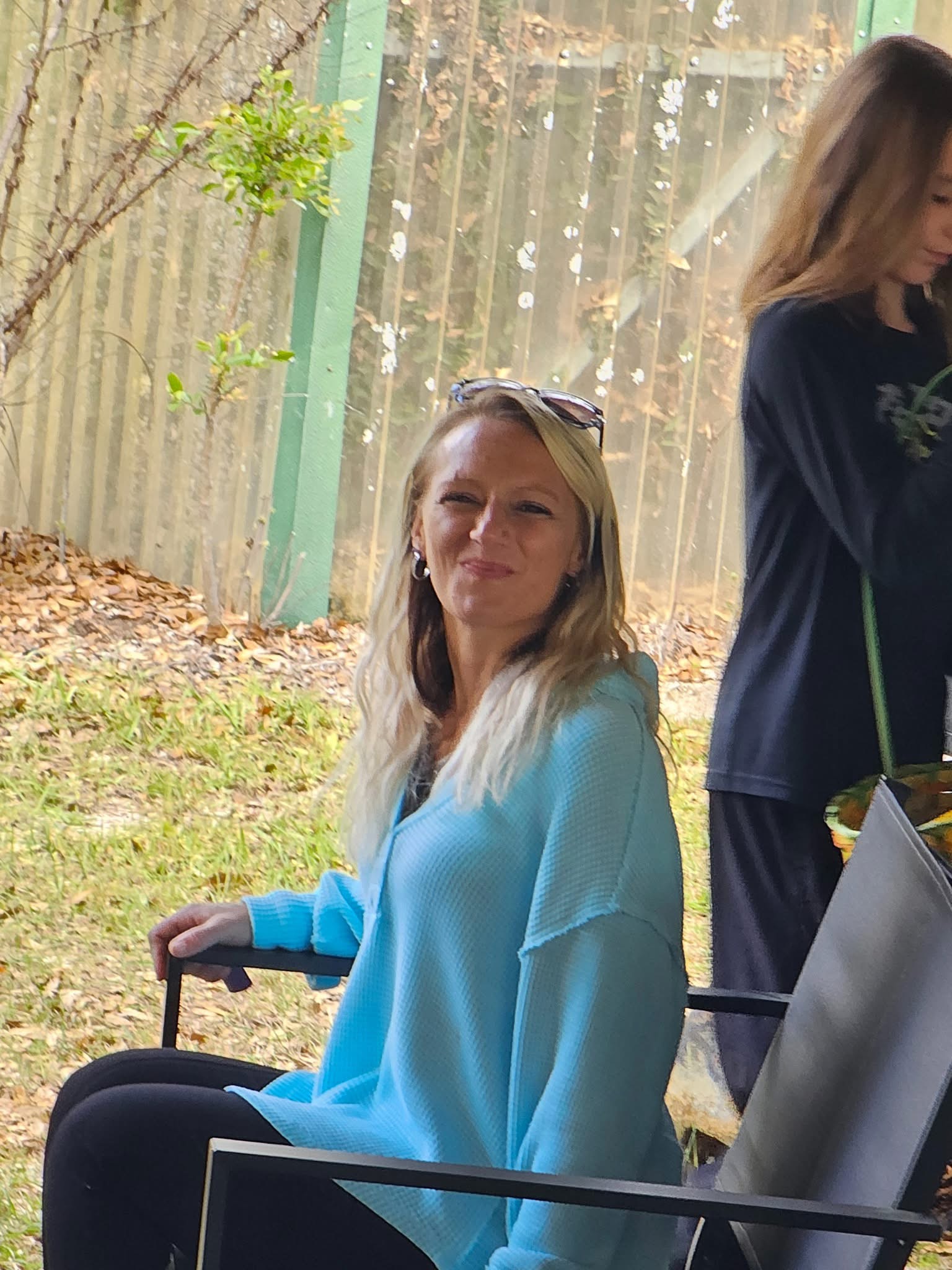
Martha Hinson
Sneads, Florida
I still remember the moment impaired driving became more than a statistic to me. My best friend lost her life because she decided to drive home from her boyfriend’s house one night after midnight while she was exhausted. Maybe you wouldn’t think that being tired and driving could kill you but it can. Christy fell asleep at the wheel and ran off the road and flipped down this huge hill into a body of water. She died on impact. That tragedy changed the way I think about impaired driving—it taught me that impairment isn’t just alcohol or drugs it’s about anything that alters your ability to make safe decisions. Since then, I’ve made a personal commitment: if I’m tired, stressed, or have had even one drink, I find another way home. One choice can mean the difference between life and death.
To me, impaired driving means operating a vehicle when your ability to make safe decisions is compromised—whether by alcohol, drugs, fatigue, or even distractions like texting. It’s not just about breaking the law; it’s about putting lives at risk, including your own.
Unfortunately, impaired driving is often misunderstood, even by drivers who have completed driver’s education or traffic school. Many assume impairment only applies to being “drunk,” overlooking other factors like prescription medications, lack of sleep, or emotional distress. Some believe that if they feel “okay” or are under the legal limit, they’re safe to drive, which isn’t always true.
The most common type of impairment is alcohol consumption, which significantly reduces reaction time, coordination, and judgment. Even small amounts can affect decision-making and lead to unsafe behaviors like speeding or failing to notice hazards. Drug impairment—whether from illegal substances or prescription medications—can cause drowsiness, blurred vision, and delayed reflexes. Fatigue is another underestimated impairment; driving while exhausted can mimic the effects of alcohol, making it just as dangerous. All these factors contribute to unsafe behavior because they create a false sense of control, leading drivers to underestimate risks and overestimate their abilities.
Driver’s education and traffic school courses can play a critical role in changing the way people view impaired driving. These programs are most effective when they go beyond teaching laws and penalties and instead focus on real-world consequences, when they combine information with experience. . These programs succeed when they teach not only the “what” and “why” but also the “how”—how to plan ahead, how to recognize impairment, and how to make alternative choices like having a sober driver or calling Uber. When education moves beyond memorizing facts and becomes about empathy and responsibility, it changes behavior
Hearing stories from crash survivors can help students understand the human cost of impaired driving. When drivers see how quickly impairment can turn into tragedy, it shifts their perspective from “I’ll be fine” to “It’s not worth the risk.” Education works best when it connects knowledge to emotion, when it makes safety personal.
I have personally experienced the pain that impaired driving as inflicted and it permanently changed the way I think about impaired driving. The loss of my best friend was devastating, but it also opened my eyes to how quickly life can change because of one decision. That experience shaped my awareness and made me realize that safety is not just about drunk driving but also it’s about being alert and stress free. Now, I never take chances. If I’m tired, stressed, or have had even one drink, I find another way home. I plan ahead, and I encourage others to do the same. Because one choice can save lives.
Personally, I believe I have a role to play in preventing impaired driving. My knowledge can influence others by starting conversations, sharing facts, and modeling responsible behavior. If friends see me choosing not to drive when tired or after drinking, it reinforces that safety is a priority, not an option. I can also use writing and communication skills to advocate for awareness campaigns, because words have power, they can change minds and save lives. By combining education with personal responsibility, I hope to create a ripple effect that encourages safer decisions in my community.
Impaired driving is a preventable tragedy, through education, personal choices, and advocacy, I aim to be part of the solution. Because every safe decision behind the wheel is a step toward a future where lives are protected, and tragedies like the one that shaped my awareness never have to happen again.
To me, impaired driving means operating a vehicle when your ability to make safe decisions is compromised—whether by alcohol, drugs, fatigue, or even distractions like texting. It’s not just about breaking the law; it’s about putting lives at risk, including your own.
Unfortunately, impaired driving is often misunderstood, even by drivers who have completed driver’s education or traffic school. Many assume impairment only applies to being “drunk,” overlooking other factors like prescription medications, lack of sleep, or emotional distress. Some believe that if they feel “okay” or are under the legal limit, they’re safe to drive, which isn’t always true.
The most common type of impairment is alcohol consumption, which significantly reduces reaction time, coordination, and judgment. Even small amounts can affect decision-making and lead to unsafe behaviors like speeding or failing to notice hazards. Drug impairment—whether from illegal substances or prescription medications—can cause drowsiness, blurred vision, and delayed reflexes. Fatigue is another underestimated impairment; driving while exhausted can mimic the effects of alcohol, making it just as dangerous. All these factors contribute to unsafe behavior because they create a false sense of control, leading drivers to underestimate risks and overestimate their abilities.
Driver’s education and traffic school courses can play a critical role in changing the way people view impaired driving. These programs are most effective when they go beyond teaching laws and penalties and instead focus on real-world consequences, when they combine information with experience. . These programs succeed when they teach not only the “what” and “why” but also the “how”—how to plan ahead, how to recognize impairment, and how to make alternative choices like having a sober driver or calling Uber. When education moves beyond memorizing facts and becomes about empathy and responsibility, it changes behavior
Hearing stories from crash survivors can help students understand the human cost of impaired driving. When drivers see how quickly impairment can turn into tragedy, it shifts their perspective from “I’ll be fine” to “It’s not worth the risk.” Education works best when it connects knowledge to emotion, when it makes safety personal.
I have personally experienced the pain that impaired driving as inflicted and it permanently changed the way I think about impaired driving. The loss of my best friend was devastating, but it also opened my eyes to how quickly life can change because of one decision. That experience shaped my awareness and made me realize that safety is not just about drunk driving but also it’s about being alert and stress free. Now, I never take chances. If I’m tired, stressed, or have had even one drink, I find another way home. I plan ahead, and I encourage others to do the same. Because one choice can save lives.
Personally, I believe I have a role to play in preventing impaired driving. My knowledge can influence others by starting conversations, sharing facts, and modeling responsible behavior. If friends see me choosing not to drive when tired or after drinking, it reinforces that safety is a priority, not an option. I can also use writing and communication skills to advocate for awareness campaigns, because words have power, they can change minds and save lives. By combining education with personal responsibility, I hope to create a ripple effect that encourages safer decisions in my community.
Impaired driving is a preventable tragedy, through education, personal choices, and advocacy, I aim to be part of the solution. Because every safe decision behind the wheel is a step toward a future where lives are protected, and tragedies like the one that shaped my awareness never have to happen again.
Content Disclaimer:
Essays are contributed by users and represent their individual perspectives, not those of this website.



3 votes
An accident that made me aware that also time and impatience can be impairement
Karin Deutsch


