2025 Driver Education Round 3
Impaired Driving: Why Education Isn’t Enough Without Real-Life Connection
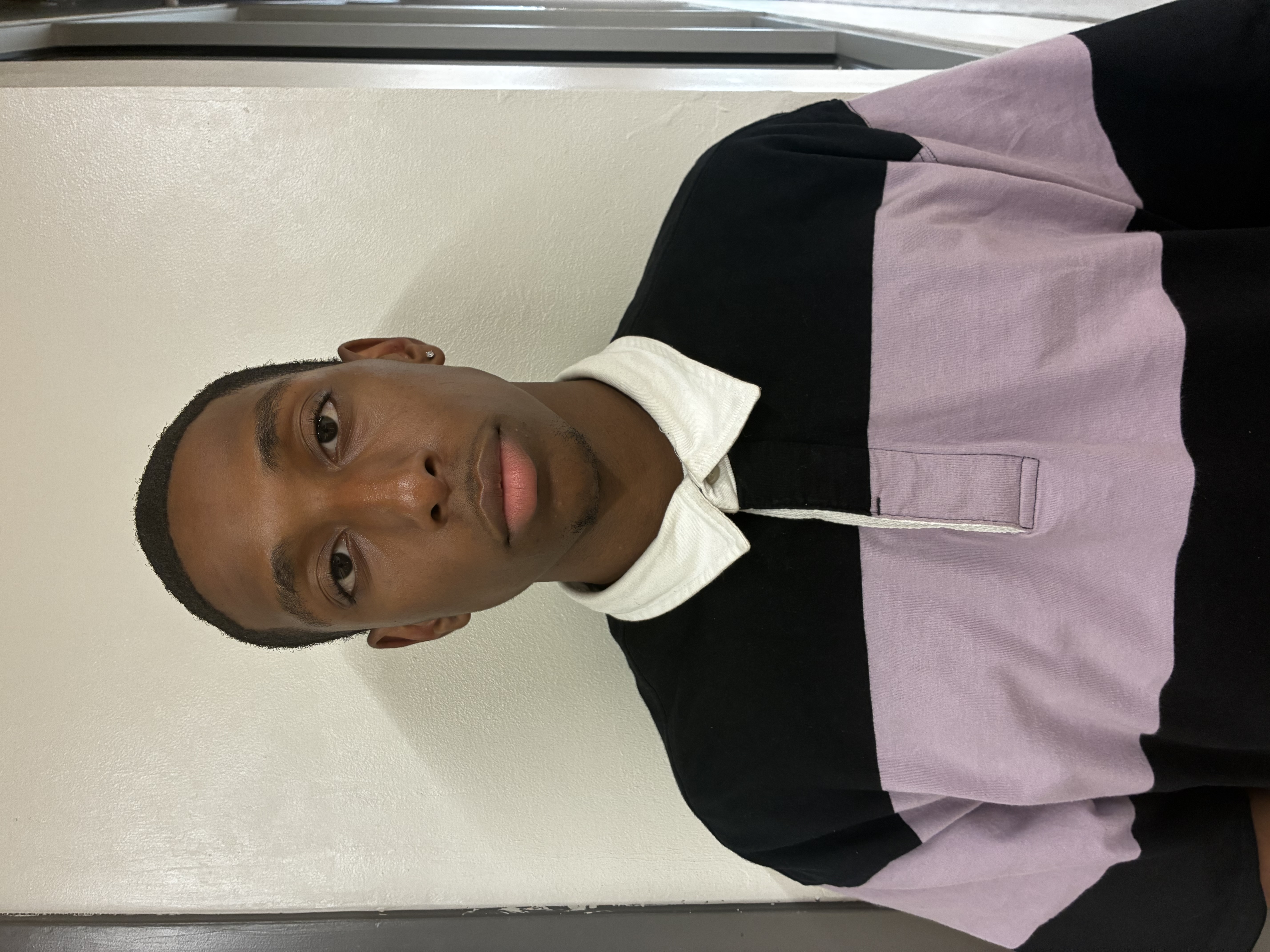
Kemoni Dunn
Atlanta, Georgia
To me, impaired driving means more than just being drunk behind the wheel. It’s any time someone gets in a car when they’re not fully in control—mentally, physically, or emotionally. That could be from alcohol or drugs, sure, but it could also be from being exhausted after a long shift, texting while driving, or even being too upset to focus. Impaired driving is about not being present, and that’s what makes it so dangerous. You don’t have to be stumbling or slurring your words to be a risk on the road.
As a high school senior, student leader, and mentor, I’ve seen how easy it is for people—especially young people—to misunderstand what impairment really looks like. I’ve completed driver’s education, and I remember how much of it focused on legal limits and textbook definitions. But what it didn’t always capture was the real-life pressure teens face: the late-night rides home after practice, the temptation to check a text, or the belief that “I’m just tired, I’ll be fine.” That’s where the gap is. We’re taught the rules, but not always how to apply them when life gets messy.
I’ve mentored younger students through RISE and as a Jaguar Ambassador, and one thing I’ve learned is that people don’t change behavior just because you tell them what’s right. They change when they understand why it matters—when they see themselves in the story. That’s why I believe driver’s education and traffic safety courses need to go beyond the basics. We need to make it personal. We need to talk about the friend who didn’t make it home because someone was too distracted. We need to talk about the cousin who thought they were okay to drive but ended up in a crash. These aren’t just statistics—they’re real lives, real families, real pain.
I remember one moment that changed how I thought about safety behind the wheel. I was leading a mentoring session at Parkside Elementary, and one of the kids asked me if I’d ever been in a car accident. I hadn’t—but I realized in that moment how much they looked up to me, how much they were watching. That’s when it hit me: every choice I make, including how I drive, sets an example. If I say I care about my community, then I have to show it in every area of my life—including behind the wheel.
Driver’s education can be a powerful tool, but only if it’s rooted in real-world understanding. It should include simulations that show how fatigue slows your reaction time, or how even a quick glance at your phone can lead to disaster. It should include stories from people who’ve lost loved ones to impaired driving—not to scare us, but to make it real. And it should teach us how to plan ahead: how to call a ride, how to speak up when a friend isn’t okay to drive, how to recognize when we aren’t okay to drive.
As someone who’s passionate about mentoring and youth development, I believe peer influence is one of the strongest forces we have. When I talk to my teammates or classmates, I try to keep it real. I don’t preach—I relate. I talk about how easy it is to think “I got this” when you’re tired or stressed. I talk about how I’ve had to check myself, too. That honesty builds trust, and that trust can save lives.
I also think about my long-term goals—like starting my own HVAC business and using it as a platform for community service. If I want to be a leader who uplifts others, I have to model responsibility in every area, including traffic safety. That means being the kind of driver who doesn’t just follow the rules, but who values life—mine and everyone else’s on the road.
Impaired driving isn’t just a legal issue—it’s a leadership issue. It’s about how we show up for ourselves and our communities. Driver’s education can lay the foundation, but it’s up to us to build on it with empathy, accountability, and action. Whether I’m mentoring a fifth grader, leading a school initiative, or just driving home after a long day, I carry that responsibility with me. Because every life matters—and every choice behind the wheel does too.
Content Disclaimer:
Essays are contributed by users and represent their individual perspectives, not those of this website.



3 votes
An accident that made me aware that also time and impatience can be impairement
Karin Deutsch