2025 Driver Education Round 3
Impaired Driving: Why It Matters to Me
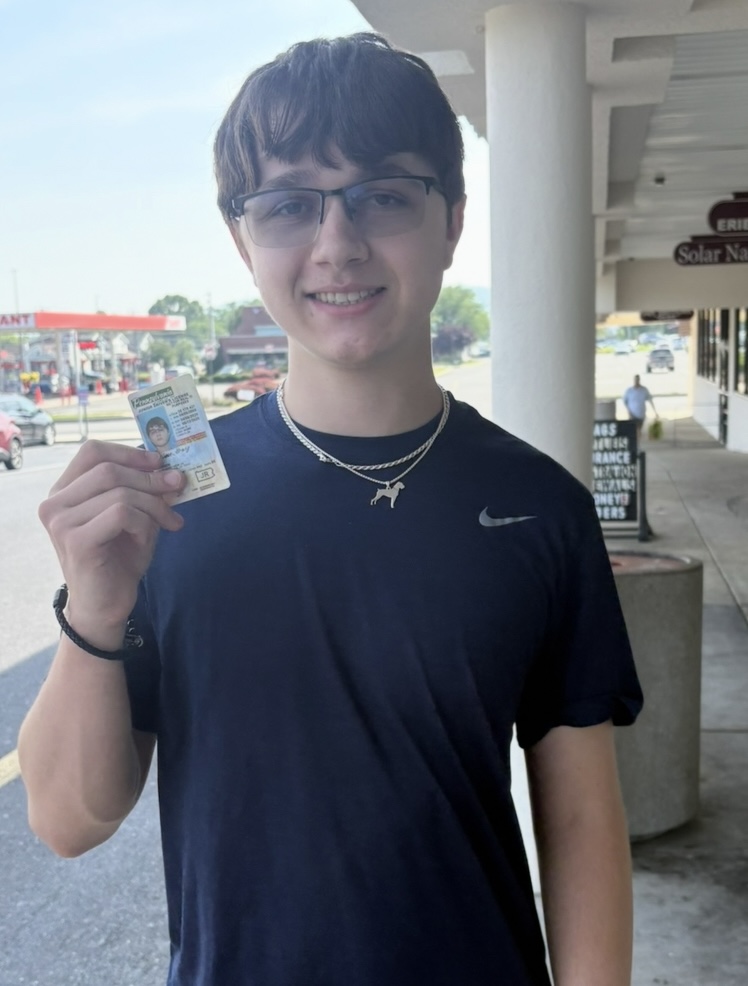
Jamison Gray
Morgantown, PA
Impaired driving is one of the most serious dangers on the road, even though many people don’t fully understand what “impaired” really means. Most drivers, especially teens, think impairment only refers to driving under the influence of drugs or alcohol. While that is a major part of it, impairment includes much more—such as texting, driving with medical conditions, or even being too tired to react quickly enough. Anything that affects a person’s ability to think clearly, focus, or control a vehicle safely counts as impairment. For me, impaired driving is not just a required topic for an essay. It is something that impacts my life every single time I sit in the driver’s seat.
I have left hemiparesis and live with a severe traumatic brain injury, both of which I sustained during a major car accident in 2022. Because of these disabilities, learning to drive was very different for me than it is for most teenagers. While many teens take a few lessons and then go straight to their driving test, I had to complete close to thirty hours of specialized driving instruction before I could even earn my permit, let alone my license. My instructors were trained to work with students who have physical and neurological challenges. They helped me learn how to drive with my limitations, how to stay focused, and how to use the adaptive devices installed in my car.
My vehicle has equipment that allows me to drive safely with only the full use of my right hand. Even with all the training and technology, there are times when I feel like I am already at a disadvantage compared to other drivers on the road. I have to think carefully about every move I make behind the wheel. I can never rush or make careless choices. When I consider that other drivers might be impaired—texting, sleepy, distracted, or simply not paying attention—it becomes frightening. It scares me to think that people who have full strength, full mobility, and full brain function still choose to take unnecessary risks.
Fatigue is especially dangerous for anyone with a brain injury. When I am tired, my reaction time slows down, and it can be harder for me to concentrate or process what’s happening around me. Instead of pushing through it like some people do, I make the responsible choice to ask someone else to drive me. Even if that means I’ll be late to school or wherever I need to be, I choose safety every time. I wish more people understood that being tired is a form of impairment. Many drivers don’t realize that they shouldn’t be on the road when they’re drowsy, distracted, or emotionally overwhelmed.
Technology can play a huge role in preventing impaired driving. Because I have limited use of my left side, hands-free features are not optional for me—they are essential. Without them, I would not have been able to get my license. That is why I believe every car should come equipped with hands-free capabilities and settings that limit phone notifications until the vehicle is stopped. So many accidents happen because someone looked down at a text for two seconds. Those two seconds can change someone’s life forever.
My understanding of road safety is also shaped by what happened to my family. In 2022, we were driving home from a weekend at the beach when another vehicle suddenly swerved into the median and crashed directly into our Toyota 4Runner. Our car flipped, and I was ejected from it, which caused the traumatic brain injury that changed every part of my life. What still shocks me is that this accident did not involve an impaired driver. Nobody was drunk. Nobody was texting. It was simply a moment where something went wrong. That experience taught me that anything can happen at any time, even when everyone is trying to do the right thing. Because of that, I feel an even greater responsibility to avoid making choices that could increase the risk for myself or others.
I follow all safety rules when I drive, and I use my adaptive equipment exactly as it is intended. I hope that when other people notice the way I drive—carefully, responsibly, and with full attention—they might realize that it doesn’t take extra effort to be safe. It just takes awareness and respect for the privilege of driving. I also try to speak up when it’s appropriate. I share my story because I know firsthand how one moment on the road can change an entire family’s life forever. When people hear what happened to me, they often think twice before picking up their phone or brushing off their fatigue.
I understand what it’s like to drive with challenges, and I understand what it’s like to survive a crash that should never have happened. Impaired driving is preventable, and with my background, my knowledge, and my personal commitment to safety, I hope to be part of the solution.
Content Disclaimer:
Essays are contributed by users and represent their individual perspectives, not those of this website.


3 votes
An accident that made me aware that also time and impatience can be impairement
Karin Deutsch