2025 Driver Education Round 3
Impairing driving
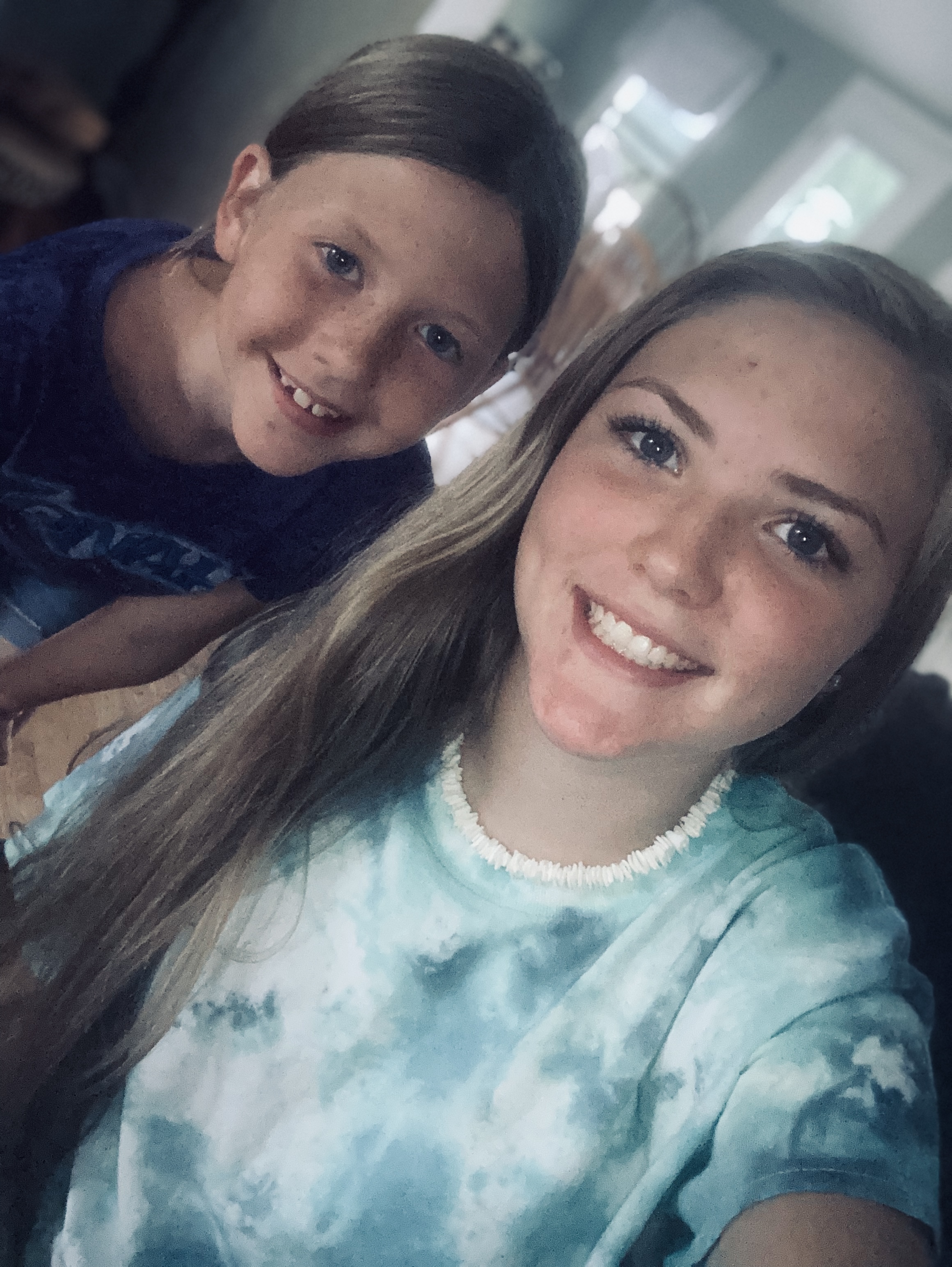
Elizabeth Grace Bennett
Franklin, North Carolina
Impaired driving, to me, means any situation in which a person gets behind the wheel while their ability to focus, react, or make sound judgments is diminished. People often think the term refers only to alcohol consumption, but impairment is really any condition—physical, mental, or emotional—that interferes with safe driving. It’s misunderstood partly because many drivers assume that if they’re not “drunk,” they’re fine. Even those who have gone through driver’s education or traffic school may still carry misconceptions, believing impairment is limited to extreme cases or that their own habits are harmless. Familiarity breeds overconfidence: once someone has been driving for a while, they sometimes forget how much attention and judgment are required every second on the road.
The types of impairment common today extend far beyond traditional drunk driving. Alcohol and drugs, both prescription and recreational, remain major contributors, and they can significantly slow reaction time, distort perception, and weaken decision-making. Equally prevalent is distraction, especially texting. Many drivers believe they can multitask, but the moment you take your eyes off the road, you’re essentially driving blind. Fatigue is another serious and underestimated form of impairment. A tired brain struggles to process information quickly, and the risk of microsleep—literally falling asleep for a split second—can make a moving vehicle as dangerous as a weapon. Emotional distress, such as anger or grief, also impairs driving by narrowing focus and reducing the ability to anticipate potential hazards. All these forms of impairment contribute to unsafe behavior because they interfere with the fundamental skills driving requires attention, awareness, and the ability to make quick, accurate decisions.
My awareness of impaired driving changed after hearing the story of a co-worker whose teenage nephew was involved in a crash caused by distracted driving. He wasn’t drinking or doing drugs—he was simply answering a text in what he thought was a safe moment on an empty road. That one glance down cost him control of the car, and although he survived, the passenger in the other vehicle did not. What struck me most was how ordinary the situation sounded. There was no wild behavior, no deliberate recklessness, just a moment of distraction that anyone could have rationalized as harmless. Hearing that story made me realize how easily small choices can lead to tragic consequences. It also influenced the way I drive; I now put my phone out of reach, even for short trips, because I no longer trust myself to ignore notifications when I’m tired or stressed.
Driver’s education and traffic school courses play a crucial role in reshaping attitudes around impaired driving. Beyond teaching rules and procedures, these programmers emphasize real-world scenarios and consequences. When learners encounter case studies, testimonials, or simulations that show how impairment affects reaction time or decision-making, the information becomes personal rather than abstract. Courses also help debunk common myths—like the idea that coffee can “sober someone up,” or that hands-free phone use is completely safe—by grounding the lessons in science and crash statistics. Effective programmer don’t just lecture; they engage learners emotionally and practically. They allow students to see themselves in the situations being described, and that connection can spark meaningful behavioral change.
In real-world situations, the effectiveness of driver education comes from its ability to build lasting habits. Repetition of safe practices, discussions about peer pressure, and awareness of legal consequences all reinforce the idea that safe driving is a responsibility rather than a routine. When people are given the tools to recognize impairment—whether in themselves or others—they become better prepared to make smart choices, like declining to drive when tired or arranging alternative transportation after drinking.
Personally, I believe everyone has a role in preventing impaired driving, and that responsibility doesn’t end once you earn your license. For me, prevention means modelling good habits: putting the phone away, refusing to drive when I’m not fully alert, and speaking up when someone else is about to make a risky decision. Knowledge becomes more powerful when it’s shared; if I explain to friends why I take certain precautions, or offer to drive when someone is impaired, I might influence them to think twice the next time. Even small actions—reminding a passenger to buckle up, suggesting a rideshare after a night out, or simply being honest about my own limitations—can shift the culture around driving. Ultimately, reducing impaired driving relies on awareness, accountability, and the willingness to prioritize safety over convenience, and each of us can contribute to that goal through our choices and conversations every day.
Content Disclaimer:
Essays are contributed by users and represent their individual perspectives, not those of this website.



3 votes
An accident that made me aware that also time and impatience can be impairement
Karin Deutsch


