2025 Driver Education Round 3
In the Driver’s Seat: A Personal Reflection on Responsibility and Road Safety
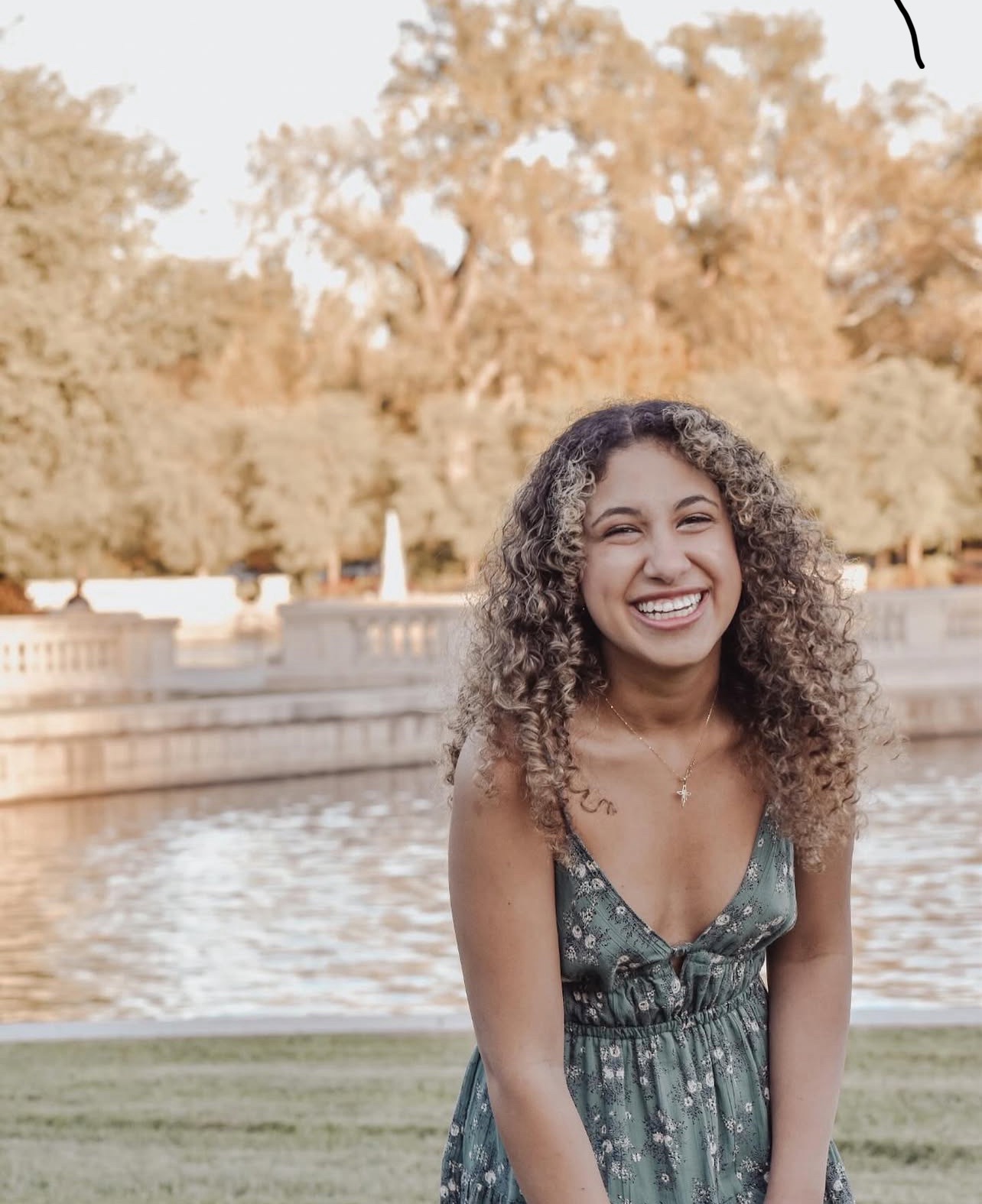
Adriana Gaied
St. Louis, MO
Driver education is more than just learning how to operate a vehicle—it’s about understanding the responsibility that comes with being behind the wheel. Every time someone drives, they make choices that can either protect lives or put them at risk. As a college student and someone who has witnessed the consequences of irresponsible driving firsthand, I believe that comprehensive driver education is essential to reducing traffic-related deaths and creating a culture of safety on our roads.
Growing up, I often felt anxious when riding with my older brother. He’s a kind and caring person, but when he drives, he tends to speed and follow other cars too closely. I’ve seen him swerve to avoid collisions, brake suddenly, and ignore safe following distances. While he’s never been in a serious accident, the close calls have left a lasting impression on me. I’ve learned that even good people can make dangerous decisions behind the wheel if they haven’t been taught the importance of defensive driving and risk awareness.
Driver education programs have the power to change that. When taught effectively, they don’t just cover the mechanics of driving—they instill habits that save lives. Students learn how to anticipate hazards, manage distractions, and respect traffic laws. They also learn about the devastating consequences of impaired or reckless driving. These lessons are especially important for young drivers, who are statistically more likely to be involved in fatal crashes due to inexperience and risk-taking behavior.
To reduce the number of deaths related to driving, we need to take several steps. First, driver education should be standardized and accessible to all students, regardless of income or location. In some areas, students rely on outdated materials or receive minimal instruction. Investing in modern, interactive programs that include simulations, real-world scenarios, and peer testimonials can make a huge difference.
Second, we need to emphasize the dangers of distracted driving. Phones, music, and even conversations can pull attention away from the road. Campaigns like “It Can Wait” have helped raise awareness, but more needs to be done in schools and communities to reinforce the message. Parents and older siblings also play a role—they must model safe driving habits and talk openly about the risks.
Third, we should encourage ongoing education. Just because someone passed their driving test at 16 doesn’t mean they’re equipped to handle every situation. Refresher courses, especially after receiving a ticket or being involved in a minor accident, can help drivers reassess their habits and make safer choices.
Personally, I’ve never been in a car accident, but I’ve felt the fear of being in unsafe situations. Those experiences have shaped how I approach driving. I’m committed to being a cautious, respectful driver. I always wear my seatbelt, follow speed limits, and avoid distractions. I also speak up when I feel unsafe—whether I’m a passenger or watching someone prepare to drive recklessly.
To help others become safer on the road, I believe in leading by example. I talk to my brother about his driving habits—not in a judgmental way, but with concern and love. I remind him that speeding doesn’t save much time, but it does increase the risk of injury or death. I also share what I’ve learned from my own driver’s education and encourage my friends to take safety seriously.
Beyond my personal circle, I want to advocate for mental health awareness in driver education. As someone who has experienced depression and cognitive challenges due to neurofibromatosis, I understand how mental health can affect focus, reaction time, and decision-making. Drivers need to be aware of how their emotional state impacts their ability to drive safely. I hope to work with children in the future—especially those with cognitive or emotional challenges—to help them develop safe driving habits and confidence on the road.
In my college ministry and church community, I’ve seen how faith and responsibility go hand in hand. We’re taught to care for others, to be mindful of our actions, and to protect life. Driving is no exception. I believe that road safety is a moral issue as much as a practical one. When we drive responsibly, we honor the lives of those around us.
In conclusion, driver education is a vital tool in reducing traffic-related deaths. By improving access, updating curriculum, and promoting ongoing learning, we can create safer roads for everyone. My personal experiences have shown me how easily lives can be put at risk—and how important it is to speak up, drive carefully, and help others do the same. I’m committed to being a safe driver and a voice for change, both in my family and in my future career helping children navigate life’s challenges—including the ones they’ll face behind the wheel.
Content Disclaimer:
Essays are contributed by users and represent their individual perspectives, not those of this website.



An accident that made me aware that also time and impatience can be impairement
Karin Deutsch


