2025 Driver Education Round 3
Life's Challenges--Lasting Lesson
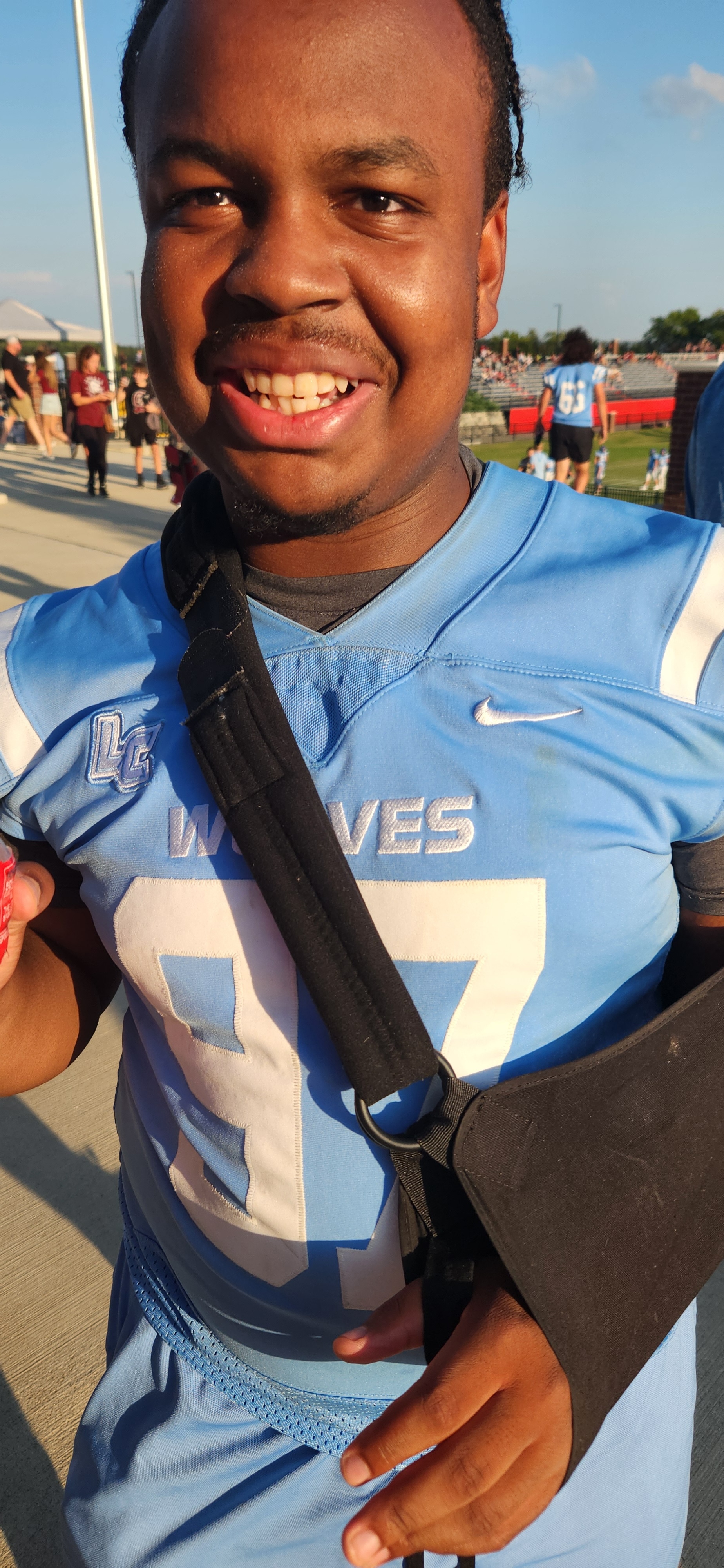
Gregory Newson, Iii
Gallatin, TN
To me, impaired driving means being behind the wheel when you’re not fully able to control a car, react quickly, or make safe decisions. Many people assume impairment only comes from alcohol or drugs, but today, the most common dangers come from fatigue and texting. These are the kinds of impairments people downplay—“I’m just tired,” or “This text will only take a second”—and that’s exactly why they’re misunderstood. Even drivers who passed driver’s ed sometimes forget how quickly a tired mind or distracted moment can turn into a life-changing mistake.
Fatigue is something almost every teenager experiences, especially with early mornings, late nights, sports, jobs, and schoolwork. Driving while exhausted slows reaction time in ways similar to alcohol. Texting is just as dangerous. Phones are practically glued to us, and ignoring a notification feels impossible. The alert is like Pavlov’s bell—it demands a response. But taking your eyes off the road for even a few seconds can cause you to drift, miss a hazard, or fail to stop in time. Fatigue and texting might not feel like impairment, but they pull your focus away from the one thing it needs: driving safely.
My understanding of impairment goes beyond distraction or tiredness. It comes from living with epilepsy. I don’t remember my first seizure, but I’ll never forget the fear on my parents’ and sister’s faces afterward. Even our family dog wouldn’t leave my side. Seeing how shaken everyone was—while I had no memory of the event—made me understand early on how unpredictable the body can be and how quickly something can go wrong without warning.
When I was diagnosed, my neurologist explained that seizures can occur suddenly and that driving before being medically cleared could put me and everyone around me at risk. With my type of seizure, there were no specific triggers, so I had no warning. Because of that, I made a choice that wasn’t easy: I waited to drive. While my friends were getting their licenses and enjoying new freedom, I held back. It wasn’t because I didn’t want to drive—I did—but because I didn’t want to put anyone in danger. Waiting until I was seizure-free taught me a level of responsibility most teenagers don’t face so early. It made me realize that driving isn’t a right; it’s a privilege that comes with responsibility to others, not just ourselves.
That idea—community safety over individualistic thinking—has become central to how I approach driving. Too many people see driving as a personal freedom where only their convenience or confidence matters. That’s not true. The road is shared. Every decision a driver makes affects not only themselves but other drivers, passengers, pedestrians, and entire families. When we put community safety first—choosing not to drive tired, choosing not to text, or pulling over if something feels off—we create safer roads for everyone. Modeling that mindset matters. When people see someone their age making intentional, responsible choices, it normalizes those choices. Being a licensed driver isn’t just about independence; it’s about protecting ourselves and the people around us.
Driver’s education and traffic school can help shift this mindset by showing that impairment is broader than alcohol or drugs. The most effective programs teach the science behind fatigue, the dangers of distraction, and the reality of how quickly things can go wrong. They move students from seeing driving as an individual activity to understanding it as a shared responsibility. Real stories, simulations, and crash data help students see that every choice behind the wheel has a ripple effect.
I know I have a personal role in preventing impaired driving. My experiences taught me to value safety over convenience. When I silence my phone before driving, avoid driving when I’m tired, and share my story with friends, I try to be an example of what community-focused driving looks like. I want the people around me to see that protecting others is just as important as protecting yourself. If my choices—or my experiences—can influence even one person to think twice before driving impaired, then I’m doing my part.
In the end, driving isn’t just about getting from one place to another. It’s about showing that we value the safety of our community. That mindset, more than anything else, is what will make our roads safer for everyone.
Content Disclaimer:
Essays are contributed by users and represent their individual perspectives, not those of this website.



3 votes
An accident that made me aware that also time and impatience can be impairement
Karin Deutsch


