2025 Driver Education Round 3
More than a license: Lessons learned behind the wheel
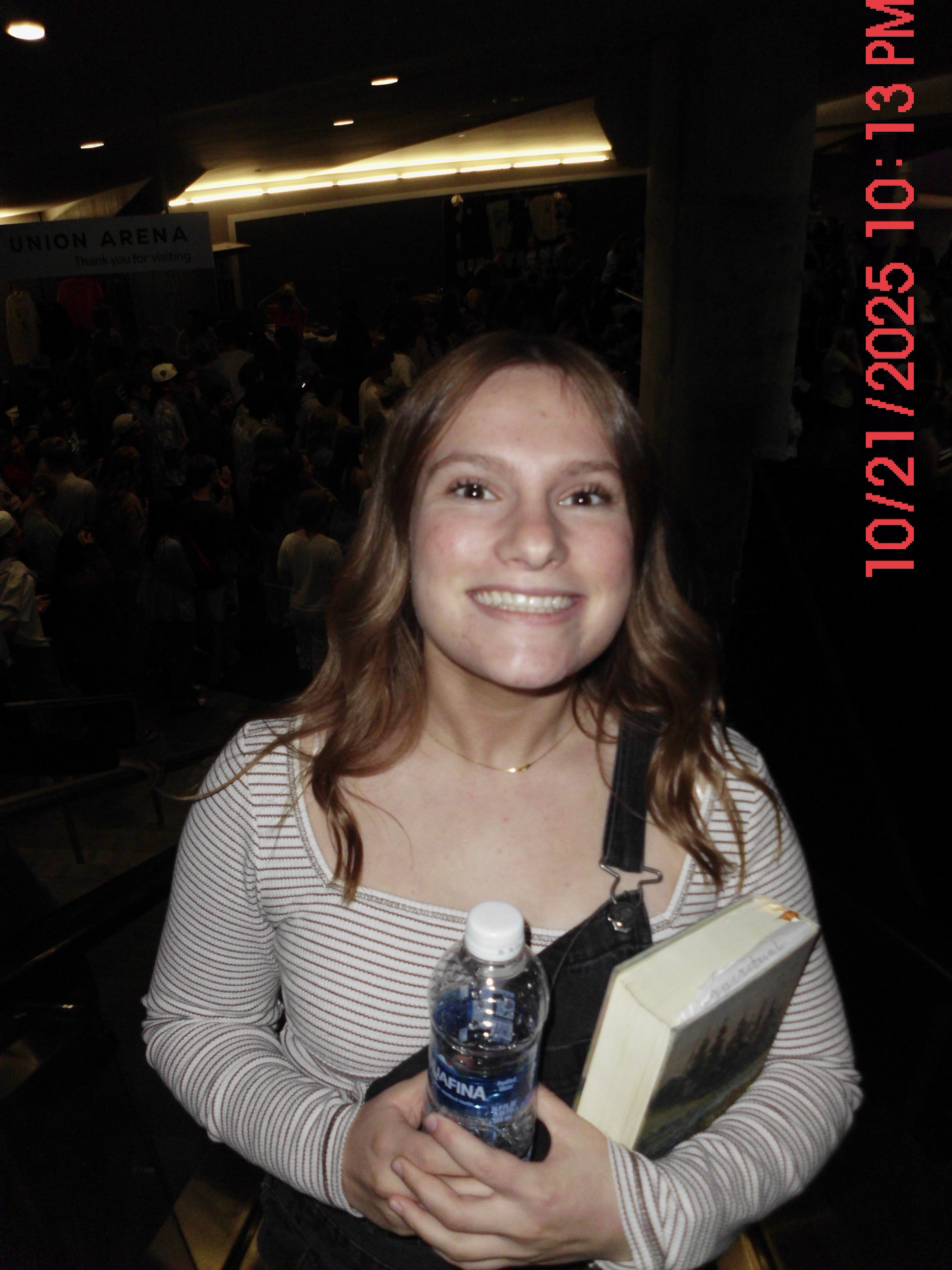
Brianna Kellett
Gilbert, AZ
When I first signed up for my driver’s education class, I thought I knew exactly what it was about. Like most teenagers, I saw it as a necessary step toward freedom — the long-awaited ticket to independence, late-night drives, and not having to ask my parents for rides anymore. I imagined holding that little plastic card and feeling unstoppable. But as the weeks went on, I began to realize that driver’s education was not simply about learning how to drive. It was about learning how to think, how to act responsibly, and how to become more aware — not just of the road, but of life
I still remember my first day behind the wheel during driver’s ed. My palms were sweaty, my heart was racing, and every movement felt exaggerated — my turns were too wide, my stops too sudden, and every passing car felt like a threat. I thought driving would be easy because I had watched adults do it all my life. What I didn’t realize was how much mental focus it truly required. My instructor would constantly remind me, “You’re not just driving for yourself; you’re driving for everyone around you.”
That sentence stuck with me. It taught me that driving is not about control — it’s about awareness. I had to learn to read other drivers’ behaviors, anticipate their actions, and remain calm even when things didn’t go as planned. I began to see how easily distractions could lead to danger. A glance at a text message, a second of daydreaming, a moment of overconfidence — all could lead to mistakes with lasting consequences. Learning to manage my focus behind the wheel helped me strengthen my focus everywhere else: in school, at work, and even in my relationships.
I still remember my first day behind the wheel during driver’s ed. My palms were sweaty, my heart was racing, and every movement felt exaggerated — my turns were too wide, my stops too sudden, and every passing car felt like a threat. I thought driving would be easy because I had watched adults do it all my life. What I didn’t realize was how much mental focus it truly required. My instructor would constantly remind me, “You’re not just driving for yourself; you’re driving for everyone around you.”
That sentence stuck with me. It taught me that driving is not about control — it’s about awareness. I had to learn to read other drivers’ behaviors, anticipate their actions, and remain calm even when things didn’t go as planned. I began to see how easily distractions could lead to danger. A glance at a text message, a second of daydreaming, a moment of overconfidence — all could lead to mistakes with lasting consequences. Learning to manage my focus behind the wheel helped me strengthen my focus everywhere else: in school, at work, and even in my relationships.
Driver’s education introduced me to a new level of responsibility. Before driving, my decisions mostly affected me — whether I studied for a test, showed up on time, or finished my chores. But once I started driving, every choice I made affected others too. Every turn signal, every stop, every time I chose to obey or ignore a rule, I was making a statement about how seriously I took that responsibility.
I remember one afternoon during practice, I rolled through a stop sign because I didn’t see anyone coming. My instructor had me pull over and said calmly, “You didn’t stop for yourself — you stop for the person you can’t see.” That moment hit me hard. It wasn’t just about following rules; it was about understanding why those rules exist. They protect people. That small mistake taught me the difference between knowing the rules and respecting them. Responsibility, I realized, isn’t something you’re handed when you get your license — it’s something you develop every time you drive.
I remember one afternoon during practice, I rolled through a stop sign because I didn’t see anyone coming. My instructor had me pull over and said calmly, “You didn’t stop for yourself — you stop for the person you can’t see.” That moment hit me hard. It wasn’t just about following rules; it was about understanding why those rules exist. They protect people. That small mistake taught me the difference between knowing the rules and respecting them. Responsibility, I realized, isn’t something you’re handed when you get your license — it’s something you develop every time you drive.
Learning to drive also tested my patience. I wasn’t a natural at first. My parking was uneven, I mixed up the gas and brake once or twice, and merging onto the highway felt like jumping into chaos. But every mistake became an opportunity to learn. My instructor often reminded me, “Every good driver was once a nervous student.”
Through practice, I learned to be patient with myself — and with others. That patience carried over into my daily life. Whether I was waiting in line, helping a younger sibling with homework, or dealing with a difficult situation, I started to approach things more calmly. Driving taught me that progress takes time, and sometimes the best thing you can do is take a deep breath and keep trying.
Through practice, I learned to be patient with myself — and with others. That patience carried over into my daily life. Whether I was waiting in line, helping a younger sibling with homework, or dealing with a difficult situation, I started to approach things more calmly. Driving taught me that progress takes time, and sometimes the best thing you can do is take a deep breath and keep trying.
One of the most powerful aspects of driver’s education was learning that safety is not just a rule — it’s a moral responsibility. In class, we watched videos and heard stories about how a single bad decision — texting while driving, speeding through a yellow light, or driving tired — could change lives forever. Those stories weren’t easy to hear, but they were necessary. They reminded us that driving is a privilege that demands respect.
I started to see driving less as a personal right and more as a social contract. Every time I get behind the wheel, I’m agreeing to protect not only myself but everyone else on the road. That mindset changed the way I view many aspects of life. It made me more empathetic, more aware of how my actions affect others, and more willing to make choices that prioritize safety over.
What surprised me most about driver’s education was how much of it applied to life outside the car. Checking mirrors before changing lanes taught me to always consider different perspectives before making decisions. Maintaining a safe following distance reminded me to give people space — emotionally and physically. Even the idea of defensive driving mirrored how I learned to handle conflict: stay calm, anticipate problems, and don’t react aggressively.
Driving education turned out to be a metaphor for growing up. The road represents life — full of twists, turns, detours, and unexpected challenges. The rules of the road represent values like respect, patience, and awareness. And the driver’s seat represents control — the ability to steer your life in the direction you choose, while still being mindful of others along the way.
Earning my driver’s license wasn’t the end of learning — it was just the beginning. Every time I drive, I learn something new. I learn how to handle new conditions, how to navigate unfamiliar routes, and how to stay calm when things go wrong. That ongoing learning has made me realize that driving, like life, requires humility. The moment you think you know everything is the moment you put yourself and others at risk.
Driving education turned out to be a metaphor for growing up. The road represents life — full of twists, turns, detours, and unexpected challenges. The rules of the road represent values like respect, patience, and awareness. And the driver’s seat represents control — the ability to steer your life in the direction you choose, while still being mindful of others along the way.
Earning my driver’s license wasn’t the end of learning — it was just the beginning. Every time I drive, I learn something new. I learn how to handle new conditions, how to navigate unfamiliar routes, and how to stay calm when things go wrong. That ongoing learning has made me realize that driving, like life, requires humility. The moment you think you know everything is the moment you put yourself and others at risk.
I’ve come to appreciate that the best drivers — and the best people — are lifelong learners. They listen, they adapt, and they remain open to growth. They know that confidence must always be balanced with caution, and that respect for others is the foundation of safety and trust.
When I finally held my license in my hands, it didn’t feel like a piece of plastic. It felt like a symbol of growth. I had learned more than how to parallel park or merge onto a freeway. I had learned focus, patience, empathy, and responsibility. I realized that driving education is not just about moving from point A to point B — it’s about the kind of person you become along the way.
Driving has taught me to slow down, to stay aware, and to make thoughtful decisions — on the road and in life. It reminded me that freedom isn’t about doing whatever you want; it’s about earning the trust that comes with responsibility. Every time I start the car, I carry those lessons with me — proof that driving education is about so much more than getting a license. It’s about learning how to navigate the road — and the world — with care, respect, and integrity.
Content Disclaimer:
Essays are contributed by users and represent their individual perspectives, not those of this website.



3 votes
An accident that made me aware that also time and impatience can be impairement
Karin Deutsch


