2025 Driver Education Round 3
My New Responsibility Stopping Impaired Driving
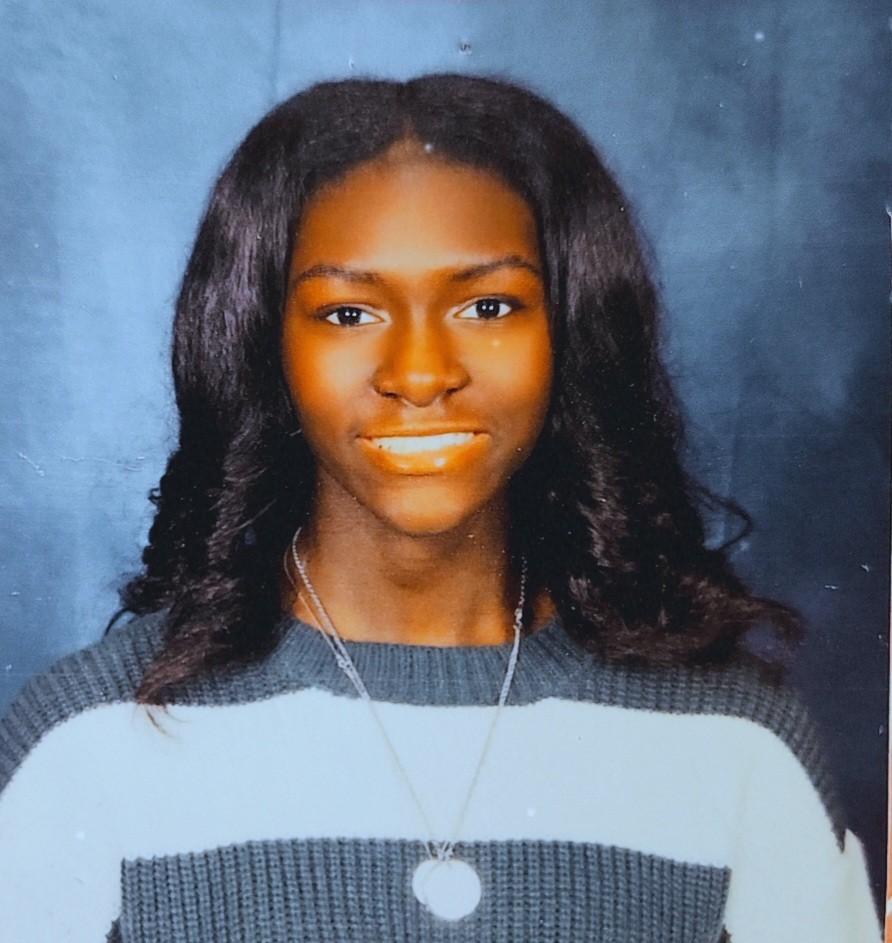
Ava Rhodes
Chicago, IL
When I think of the phrase impaired driving, I think about something having an effect on your ability to think properly and clearly. I’ve learned in school that the effects of alcohol and drugs can impair the brain from its normal function and cause a slower reaction time than normal. We’ve been taught that mostly to be impaired means to be be drunk or high but it also can mean to be distracted. Most people instantly think, “drunk driving”, but it can be way more than just that. I think the phrase is misunderstood because people assume impaired driving only applies to to just someone drinking or being high. It’s also misunderstood because people who may go through driver’s ed may think that one drink may be fine because they’re not over the legal limit but they can still be impaired without realizing it, which can be scary.
One of the most common impairments that we see but is often overlooked is the texting and being distracted by your phone. This one is seems to be the biggest among drivers today. With the driver being distracted and their eyes not on the road, it can make some pretty life altering mistakes. I’ve also learned how being extremely tired or fatigued can be dangerous while on the road. Many people don’t see this as a danger and even underestimate how serious being tired while driving can really be. It can slow you down while behind the wheel and worse. I still believe that alcohol and drugs are still major factors of impairment and I think that a lot of teens underestimate how even one drink or a vape can change how fast they are able to react. All of these things can make drivers much slower and less focused.
My cousin once told me a story about a friend from her school who had gotten into a car crash because the driver fell asleep at the wheel from working very late. My friend had told me that the driver didn’t have any alcohol or drugs, and that they were just really tired and sleepy. When my friend first told me the story it surprised me and taught me something new because I always thought that being impaired was only about drinking and driving or doing drugs and driving. It made me way more aware of how dangerous being tired and getting behind the wheel can be. Now when I get in the car with someone as a passenger, I speak up if the driver looks tired or if they are messing with their phone.
Driver’s education and traffic school courses can help change attitudes and behaviors by showing the real and raw consequences of what happens instead of just repeating the rules. When teens see the real stories, videos, and examples, it may wake them up to the reality. I think they need to see the truth and the consequences of what can happen when you don’t follow the rules of the road that you learn in driver’s education. Reading the rules in a book, learning the definitions, or watching a training video is helpful but the driver’s ed students should see the truth of what can happen from real examples. I think that each driver’s ed student should have an understanding why the rules exist in the first place and it helps it to become more real. Driver’s ed courses everywhere should include real life examples from people and their stories and maybe include that in the trainings. I’m not saying scare people into driving correctly but maybe the truth can scare them to not want to make the wrong choice to not drive when they are impaired.
In all, I am learning more about impaired driving and as I learn, I think my role is to speak up more often. Even if I might feel uncomfortable, I will speak up. If I get the feeling that maybe someone shouldn’t be driving, I will say something and they might be annoyed with me but at least something serious won’t happen. I can also be the kind of friend who will suggest taking another ride like an Uber or Lyft. Whatever I can say to stop them from getting behind the wheel, I will try because I just want them and others to be safe. I think that when people will see someone speaking up taking it seriously, it might make them stop and think about their own choices and it can help them to make safer decisions. Speaking up will be my personal responsibility as a safe driver, friend, and citizen.
Content Disclaimer:
Essays are contributed by users and represent their individual perspectives, not those of this website.



3 votes
An accident that made me aware that also time and impatience can be impairement
Karin Deutsch


