2025 Driver Education Round 3
One Second Can Change Everything
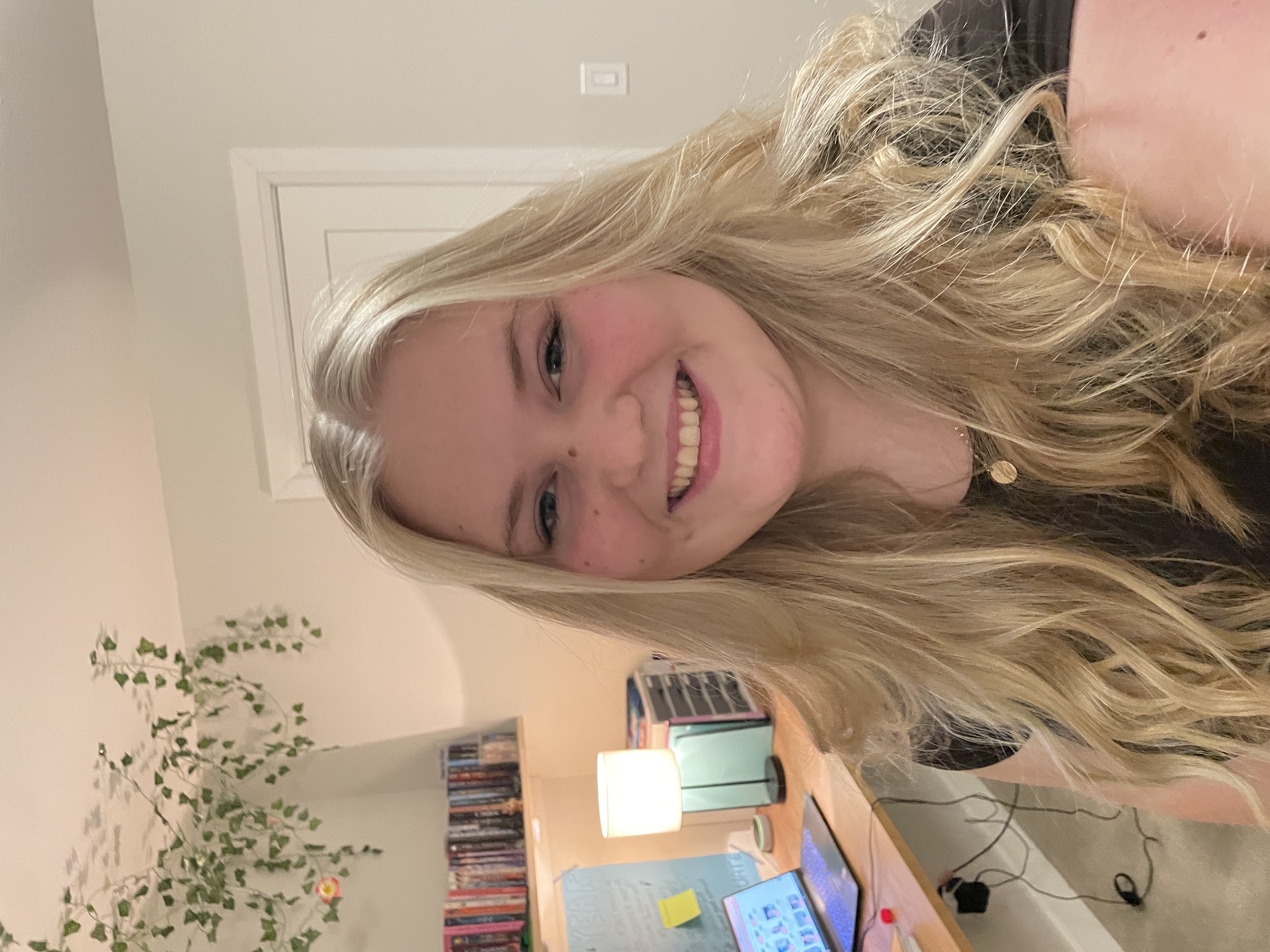
Avery Claire Van Seters
Langley, British Columbia
Have you ever reached for your phone on a long drive saying all you would do is skip a song, send one text, and that it wouldn’t hurt anyone? Many people have similar attitudes. As a result, nine people die every day in the United States from crashes caused by distracted driving. Impaired driving isn’t just about alcohol or drugs. It can also include distractions like phones, or simply being too tired to drive safely. I often notice people underestimate what counts as impairment. They think, ‘I only had one drink, so I’m fine,’ or ‘This text will take two seconds, it won’t hurt anyone.’ Yet accidents can happen in a split second, and thinking you’re the exception puts everyone on the road at risk. Despite this, I still find these attitudes all around me, especially among my friends who are just learning to drive. Seeing how common this mindset is among new drivers made me realize how easily we can overlook everyday forms of impairment.
Many of my friends are just receiving their driving permits; while none of them are drinking or doing drugs whilst driving, the number of texts they send and the number of times they pick up their phones while driving are alarming. Phones are powerful tools that demand our full attention, and there are few safe ways to use them while driving, aside from speech-to-text tools. Our phones can be hard to put down and I know people who will choose to drive with their knees in order to answer a text rather than waiting ten minutes to get home. Unfortunately phone use isn’t the only issue. Another kind of impairment I’ve noticed among youths is driving while overly tired. I know I’ve had trouble focusing late at night and in fact, one of my close friends was actually involved in an accident because of it. He fell asleep at the wheel. Despite having every window open and blasting music, he drove onto the wrong side of the road, into a ditch, and hit a pole. Thankfully, he sustained no injuries, and there was no one else on the road, but his accident rattled a lot of the other drivers in my grade because we realized it could’ve happened to any of us. Stories like this show that impaired driving is more than just substance use; it’s about paying attention, knowing your limits, and being responsible. Hearing a firsthand story of what could happen to anyone, including me, showed how real the consequences of fatigue are and made me realize how training and awareness could prevent similar accidents. After his accident, I became much more aware of how prepared I was for longer drives. To act on this newfound awareness, I now choose to spend the night at a friend’s house, drink a Red Bull, or call someone to ensure I stay awake and alert.
Stories like his make me appreciate how much young people can benefit from structured programs, like driver’s education, rather than from hearing rules or reading manuals. Driver education is a great way to teach young drivers because it is more involved than reading the driving manual. It encourages them to think through the real-life consequences of their actions, not just memorize the law. These programs can help prevent the kinds of accidents I’ve seen happen to friends by teaching strategies to handle fatigue, distractions, and substance use. In these classes, students learn more of the why behind the laws, like the fact that alcohol and other substances significantly decrease reaction time, severely hinder judgment, causing drivers to make riskier, less safe decisions. Many programs include simulations, videos, and real-life stories from accident survivors, which make the risks feel more real. Another close friend was involved in a serious accident this year when a motorcyclist who appeared to be high and speeding collided with her car, resulting in a fatality. Even though the motorcyclist was driving dangerously there was shared fault in the accident, and that made everyone in my grade shaken up because we realized how dangerous the roads are, and that any of us could’ve been in that car. This is what makes driver’s education so beneficial; instructors use real-life cases rather than just lecturing. The courses go further than our booklets, including alternate-choice simulations that encourage students to consider options like calling an Uber, spending the night, or taking public transport. These courses with facts, emotional impacts, and questions that make you think harder about what you would do, are extremely helpful to a new driver, and make them think twice before getting behind the wheel. The lessons from driver education don’t just stay in the classroom, instead they influence how I and many other drivers handle situations in our own lives.
Since driver's education emphasizes thinking through choices, I’ve started applying these lessons with my own friends. I’ve made it a goal to alert my friends if they are using their phones while driving. One of my friends recently made a joke about how they almost crashed watching a Snapchat video. While everyone laughed, I asked one simple question, “Why is your video more important than my safety on the road as a fellow driver?”. My question stopped the laughter and made my friend pause, giving her a moment to reconsider how important her videos were compared to someone’s safety on the road. I know it’s not comfortable to point out other people’s flaws or to challenge them on something they think is just fine to do, but it’s necessary. I truly believe my friend will think a little longer next time she’s driving and goes for her phone. Hopefully, through logic and a little bit of convincing I will be able to make some of my friends reconsider grabbing their phone while driving. Of course, just because phone use is the most relevant form of impaired driving in my life right now doesn’t mean it’s the only kind that I, or other young drivers, consider. If my parents have a drink at a party, or I know that there will be alcohol available, I’m always aware of the possibility that they won’t be able to drive safely, and bring my license along. I know my choices also influence others, and as I gain more experience, I want to keep setting an example of safe, responsible driving. So, as I continue to grow up and reach the legal drinking age, I also intend to consciously choose a designated driver at the beginning of the night or agree with everyone that we will call an Uber at the end of the night. I would much rather drink water for a night out than get in a car with a drunk or even tipsy driver. Impaired driving can take many forms, but knowledge and awareness give us the power to prevent it. Whether it’s choosing not to text, getting enough rest, or planning a safe ride home, each decision matters. I’ve learned that being a safe driver isn’t just about following rules, but it’s about protecting lives, including my own.
Content Disclaimer:
Essays are contributed by users and represent their individual perspectives, not those of this website.



3 votes
An accident that made me aware that also time and impatience can be impairement
Karin Deutsch


