2025 Driver Education Round 3
One Text, One Choice: The Reality for Teen Drivers
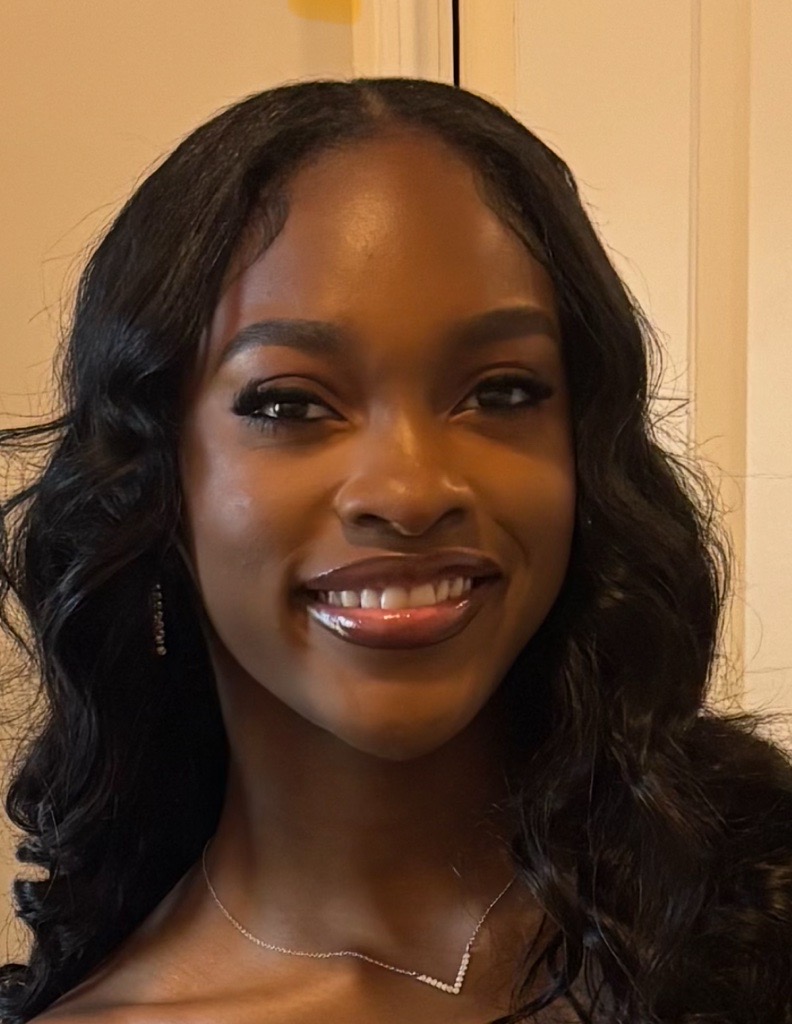
Bailey Jackson
Conyers, Georgia
When people talk about distracted driving, they often think of it as something small—just a quick glance at a text message, checking a notification, or changing a song on the radio. To many people, it seems harmless because it only takes a second. But what most people don’t consider is that seconds matter, and even the smallest moment of inattention can change someone’s life forever. We should be reminded that one careless decision can cause pain that lasts a lifetime, affecting not only the driver but also the people they love and the people they may never even meet.
For me, distracted driving isn’t just a story on the news or a statistic shared in health class. It’s personal. It’s something that touched my life in a way that I will never forget. I remember the day I first felt the real impact of inattentive driving, when someone close to my family was hit by a distracted driver. The person behind the wheel was texting, fully convinced they could multitask, and didn’t notice the red light ahead. What should have been an ordinary drive home, no different from any other day, suddenly turned into months of recovery, physical pain, and emotional trauma for our loved one.
I remember the exact moment my parents told me what happened. Their voices were different, shaken, heavy and filled with concern. As they shared the details, I felt a mix of shock and fear settle in. The realization that it could have been any of us is what stayed with me the most. It wasn’t just a random accident; it was a reminder of how fragile life is and how quickly everything can change. That experience made me understand that driving isn’t just about getting from one place to another. It is a responsibility. It is about being aware, being present, and valuing not only your own life but the lives of everyone around you. Every person on the road is someone’s family, friend, or loved one and their safety matters.
When I started learning to drive myself, this awareness became even stronger. I noticed how common distracted driving was everywhere I went. My friends would scroll through their phones at stoplights as if it were normal. Some would send a quick message while the car was moving, convinced they could look down “just for a moment.” I even saw adults, people with years of driving experience fall into the same habits. That surprised me the most. Distracted driving wasn’t something limited to teenagers or inexperienced drivers. It had become normalized across all ages.
Seeing this made me promise myself that I would not fall into that habit. I wanted to be the kind of driver who practiced what I believed. Every time I get in the car, I place my phone in the safety mount on the dashboard. If I need directions, the phone stays hands-free. If someone texts me, it can wait. I also talk to my friends about it, not in a preachy way, but in a caring one. I remind them that no text is worth a life and that putting the phone away is one of the simplest ways to protect themselves and others.
But I also know prevention takes more than just one person making good decisions. Changing the culture around distracted driving requires all of us to shift how we think about it. If I could raise awareness among young drivers, I would focus on encouraging real conversations—not just the typical lectures students are used to hearing. I believe high school students themselves could lead the way by sharing personal stories about how distracted driving has affected their lives or people they know. Hearing a friend talk about a loss, a near-miss, or a frightening experience is far more powerful than reading statistics from a brochure.
Social media could also be a powerful tool for reaching young drivers. Teens are always online, so why not use that platform to promote safer driving habits? We could create challenges like “Drive Now, Text Later,” where drivers record themselves putting their phones away before starting the car. A small action like that, shared widely, has the potential to influence others and make safe driving look responsible and normal, not optional or uncool.
Hands-on education is another essential piece of the puzzle. Schools could partner with local organizations to host interactive workshops or simulations showing just how dangerous distracted driving can be. When people see firsthand how quickly a situation can turn deadly, it stays with them. Those lessons aren’t easily forgotten. And I have learned that awareness doesn’t only come from tragedy, it can grow from empathy, understanding, and shared responsibility.
I know how it feels to get that frightening call. I know how distracted driving affects families and entire communities. That is why I will continue to speak about it. I hope that by sharing what I’ve experienced, more people will realize that choosing to stay focused behind the wheel isn’t a small decision, it is a life-saving one.
For me, distracted driving isn’t just a story on the news or a statistic shared in health class. It’s personal. It’s something that touched my life in a way that I will never forget. I remember the day I first felt the real impact of inattentive driving, when someone close to my family was hit by a distracted driver. The person behind the wheel was texting, fully convinced they could multitask, and didn’t notice the red light ahead. What should have been an ordinary drive home, no different from any other day, suddenly turned into months of recovery, physical pain, and emotional trauma for our loved one.
I remember the exact moment my parents told me what happened. Their voices were different, shaken, heavy and filled with concern. As they shared the details, I felt a mix of shock and fear settle in. The realization that it could have been any of us is what stayed with me the most. It wasn’t just a random accident; it was a reminder of how fragile life is and how quickly everything can change. That experience made me understand that driving isn’t just about getting from one place to another. It is a responsibility. It is about being aware, being present, and valuing not only your own life but the lives of everyone around you. Every person on the road is someone’s family, friend, or loved one and their safety matters.
When I started learning to drive myself, this awareness became even stronger. I noticed how common distracted driving was everywhere I went. My friends would scroll through their phones at stoplights as if it were normal. Some would send a quick message while the car was moving, convinced they could look down “just for a moment.” I even saw adults, people with years of driving experience fall into the same habits. That surprised me the most. Distracted driving wasn’t something limited to teenagers or inexperienced drivers. It had become normalized across all ages.
Seeing this made me promise myself that I would not fall into that habit. I wanted to be the kind of driver who practiced what I believed. Every time I get in the car, I place my phone in the safety mount on the dashboard. If I need directions, the phone stays hands-free. If someone texts me, it can wait. I also talk to my friends about it, not in a preachy way, but in a caring one. I remind them that no text is worth a life and that putting the phone away is one of the simplest ways to protect themselves and others.
But I also know prevention takes more than just one person making good decisions. Changing the culture around distracted driving requires all of us to shift how we think about it. If I could raise awareness among young drivers, I would focus on encouraging real conversations—not just the typical lectures students are used to hearing. I believe high school students themselves could lead the way by sharing personal stories about how distracted driving has affected their lives or people they know. Hearing a friend talk about a loss, a near-miss, or a frightening experience is far more powerful than reading statistics from a brochure.
Social media could also be a powerful tool for reaching young drivers. Teens are always online, so why not use that platform to promote safer driving habits? We could create challenges like “Drive Now, Text Later,” where drivers record themselves putting their phones away before starting the car. A small action like that, shared widely, has the potential to influence others and make safe driving look responsible and normal, not optional or uncool.
Hands-on education is another essential piece of the puzzle. Schools could partner with local organizations to host interactive workshops or simulations showing just how dangerous distracted driving can be. When people see firsthand how quickly a situation can turn deadly, it stays with them. Those lessons aren’t easily forgotten. And I have learned that awareness doesn’t only come from tragedy, it can grow from empathy, understanding, and shared responsibility.
I know how it feels to get that frightening call. I know how distracted driving affects families and entire communities. That is why I will continue to speak about it. I hope that by sharing what I’ve experienced, more people will realize that choosing to stay focused behind the wheel isn’t a small decision, it is a life-saving one.
Content Disclaimer:
Essays are contributed by users and represent their individual perspectives, not those of this website.


3 votes
An accident that made me aware that also time and impatience can be impairement
Karin Deutsch