2025 Driver Education Round 3
One Text, One Second, One life.

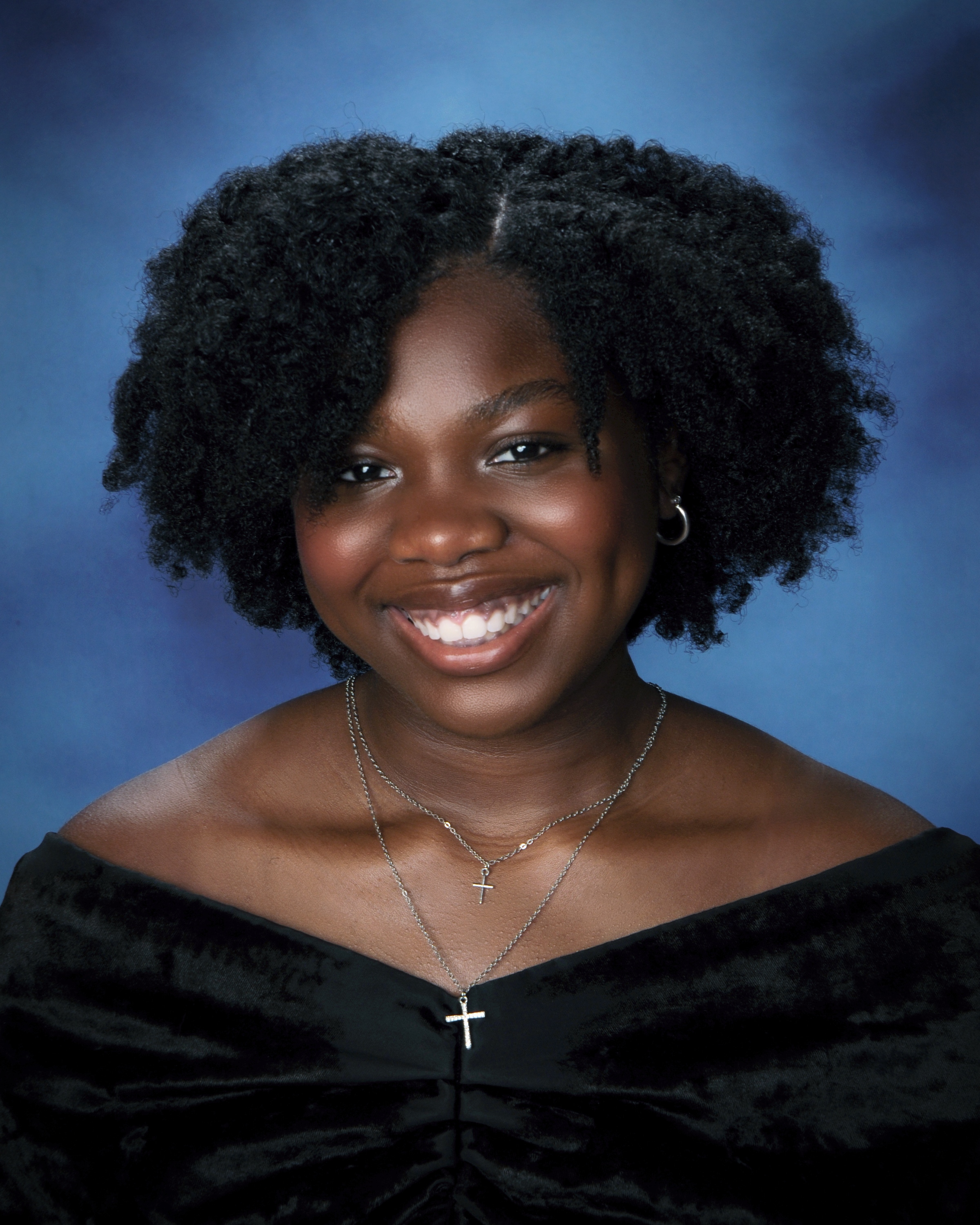
Linsey Delahoussaye
Montgomery, Texas
Impaired driving has always sounded like a technical phrase to me, something out of a textbook until it became personal. To me now, it means losing control. It means every moment when a driver’s focus, awareness, or judgment isn’t where it needs to be. It’s driving under the influence, but it’s also texting, fatigue, and emotion getting in the way of safety. It’s a mix of choices and moments that can end or change a life forever. The saddest part is that so many people misunderstand it. They think it’s only about alcohol or drugs, something that happens to someone else. Even people who have completed driver’s ed or traffic school sometimes don’t realize how fragile life really is on the road.
I used to think the same way. I thought if you weren’t drinking or doing drugs, you were fine to drive. I thought it was common sense. But then one night changed everything I believed. It was the night I came close to losing my mom. It happened my sophomore year. My mom had worked a long shift, and it was late. It was raining, the kind of night that makes the roads shine black under streetlights. She called me ten minutes before the crash, just to say she was on her way home. I remember her sounding tired but happy to be heading back. I said, “Love you, Mom,” and she said it back. That was the last normal moment before everything fell apart.
A man who had been texting while driving drifted into her lane. He said later that he was just looking down for a second. That second nearly killed her. His car hit hers head on. Her car spun, slammed against a guardrail, and flames started under the hood. She told me later that she could smell the smoke, and when the seatbelt jammed, panic set in. For a moment, she thought she would die there. Somehow, through shaking hands and sheer will, she managed to pop the seatbelt and crawl out through the passenger side window right before the car caught fire. She scraped her arms and burned her hand, but she lived.
When I first saw her at the hospital, covered in cuts and bruises, something inside me shifted. I felt everything at once anger at the man who had done this, fear about how close she came to dying, but also guilt that I hadn’t said more before she got on the road. Every beep of the hospital machines reminded me how fragile everything is. I kept replaying her words, “I’m on my way home,” and realizing she almost never made it.
That night shaped how I see impaired driving forever. It isn’t just about bad decisions it’s about consequences that ripple out and change lives you never meant to touch. My mom’s crash made me more aware of how easily the line between safety and tragedy can disappear. Now, every time I get behind the wheel, I feel that weight. I turn my phone on silent. I make sure I’m awake and calm before driving. If I’m upset, I wait. If I’m tired, I rest. And if someone with me isn’t fit to drive, I speak up even if they get mad. I can’t stay quiet when I know what it feels like to almost lose someone you love because of a careless moment.
Driver’s education means so much more to me now. Before the crash, I looked at it as just another class to finish before getting my license. But when I sat through the lessons again afterward, I listened differently. I started connecting every warning, every story, to what I lived through. I realized these programs aren’t just about rules they’re trying to keep real families, like mine, from falling apart. The best lessons I’ve had in driver’s ed have come from real stories, not statistics. When you hear someone who’s been through a crash speak, or you see the impact it has on survivors, it sticks in your mind. It becomes more than safety; it becomes empathy.
That’s how driver’s education and traffic school can really make an impact by putting a face and a heartbeat to the message. Telling stories like my mom’s makes people think twice. I’ve even shared her story in my class. Some of my friends cried when they heard about how she escaped the car. One girl told me afterward that she deleted all her texting apps from her driving screen that same night. That’s how change happens, one person, one story at a time.
I know I can’t stop every crash from happening, but I can do my part. I can be the reminder in my friend group that no text is worth a life. I can drive carefully and share what I’ve learned not to lecture, but to show what’s real. If my words keep one person from driving distracted or tired, then something good comes out of all the pain my mom went through.
I still think about that night every time I hear sirens or see wrecked cars on the side of the road. I still thank God that my mom made it out alive. But more than anything, I drive with her story in my heart. It’s the reason I stay focused and safe. It’s what keeps me from ever taking the road for granted. Impaired driving changed my life, but maybe it also gave me the chance to change someone else’s for the better.
Content Disclaimer:
Essays are contributed by users and represent their individual perspectives, not those of this website.


3 votes
An accident that made me aware that also time and impatience can be impairement
Karin Deutsch