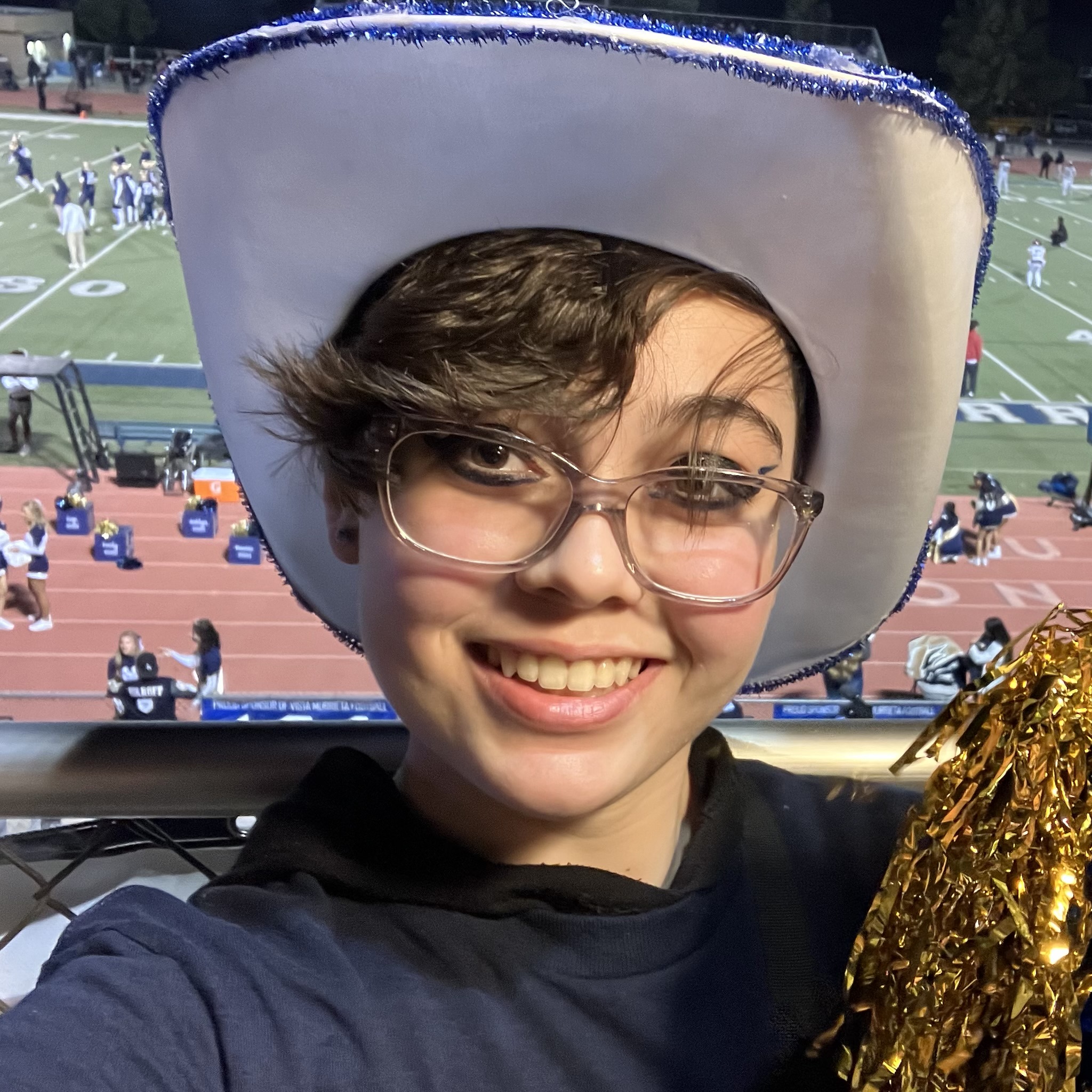
Every 15 minutes, someone dies in a car crash. This fact was one my school chose to cement in our minds with a presentation I, and many of my peers, would never forget. We marched out to the stadium, knowing what we were about to be shown, but not fully understanding how impactful it would be. In front of us was a black tarp covering what we knew would be two cars simulating an accident. As it was pulled back, we saw students covered in blood, appearing as though they had been killed. Our class president, and a student I knew personally, was laying on the hood of one of the cars unmoving. While we all knew it was not real, the emotions we were feeling certainly were. The stadium went silent as we watched the scene unfold.
Over the next hour, we watched as paramedics arrived, cutting out one of the students from a car using the jaws of life and taking another student out of the stadium by helicopter. The student portraying the drunk driver was arrested and put into a police car. Lastly, the girl lying on the hood was taken out in a body bag. Our principal came out to announce her death and read her eulogy. We were lucky that this was just a simulation. For others, it was all too real and did not go away after they left the scene. Just a few months prior several boys from our school had died in an accident due to reckless driving. The rest of the day was extremely tense. Everyone tried to go back to normal, but the emotions still lingered. The next day pushed things even further. We had an assembly in the gym, where we attended the “funeral” of the girl who had been taken out by helicopter. They showed a video of paramedics attempting to save her, and police arriving at the homes of students who had volunteered to be one of the victims, telling their parents they had passed. The parents seemed overcome with grief, some even crying after hearing the news. I found myself breaking into tears, as did many other students and parents, overwhelmed by what was playing out in front of me. Guest speakers came up to share their experiences, many of whom had lost someone due to a car crash. It has been close to a year since these presentations, but I still feel just as moved when I think about it now as I did when I was watching it for the first time.
To me, impaired driving is anything that prevents the driver from having their full attention on the road, including alcohol, drugs, and phones. I was never someone who would consider driving while impaired to begin with, but I certainly was not going to after seeing this. Many people misunderstand impaired driving because they assume impairment only comes from alcohol or drugs, when distractions like phones, speeding, and fatigue are just as dangerous and far more common. As much as the presentation moved me, I had a hard time trying to instill the same message in others. My mom would constantly check her phone while driving, claiming it was okay because she was only looking, not texting. When I see people do things like this, I wonder if they understand just how quickly things can go awry, and how many other people were “just looking” before getting into an accident that took someone’s life. Many of my peers, including some of my closest friends, speed or drive while focusing on other things. They believe they are safe because they are good drivers or have been driving for a long time, not realizing that accidents often result from others’ mistakes, not just their own. Even my girlfriend has a bad habit of speeding, making me worry constantly that something will happen to her as a result. I remind them every time I see them doing it of the dangers, but too many people, teenagers and adults, are willing to take the risk, or just do not believe it is that serious. It is extremely frustrating to see people I care about put themselves at risk like this, and I wish they cared more. That is a big part of the reason why I want to stand up against distracted driving.
My school’s “Every 15 Minutes” presentation promoted a strong stance against distracted driving in me and my peers, and I believe similar presentations can help other people of all ages learn about the dangers of distracted driving. As hard as it was to watch, I know it can resonate with others in the same way it did with me and show people the real dangers of behaviors that may seem small and unimportant. Naturally, it would be impossible to set up a full presentation like this in front of everyone, so public service announcements (PSAs) demonstrating similar concepts could be one tool that has a similar effect. These PSAs could be shown during driver’s ed to convey its importance to new drivers. Before my school did this presentation, I had seen many PSAs relating to safe driving which also helped me understand just how dangerous distracted driving is. I found that those which caught the viewer off guard or were visually intense had the biggest impact. As much as we do not want to make anyone feel scared or upset, it is sometimes necessary to get a message across. The truth of car accidents is that they are often scary and graphic, and if we want to prevent these tragedies, people need to understand that truth. My school’s presentation also included guest speakers who had lost someone in a car accident, and I found these very moving. Incorporating guest speakers into traffic school and driver’s ed could have a similar effect.
As I start to drive more regularly, I remember the lessons I have learned in the past, and I am thankful I have not had to learn them the hard way. Because of my experiences, I make sure to drive carefully, and refuse to drive when I feel I am not prepared. I will continue to remind those around me when they do something unsafe, even if it does not get through to them for a long time. Above all, I want to do my best to prevent accidents by doing whatever I can to inform others. While it may not prevent them all, I am confident that these strategies can help prevent at least a few. Others may see it as futile because people will continue to die due to distracted driving, but if even one life is saved, I believe it is worth doing. Together we can stand up to distracted driving and save lives.
Content Disclaimer:
Essays are contributed by users and represent their individual perspectives, not those of this website.



3 votes
An accident that made me aware that also time and impatience can be impairement
Karin Deutsch


