2025 Driver Education Round 3
Safe Roads Start with Safe Choices

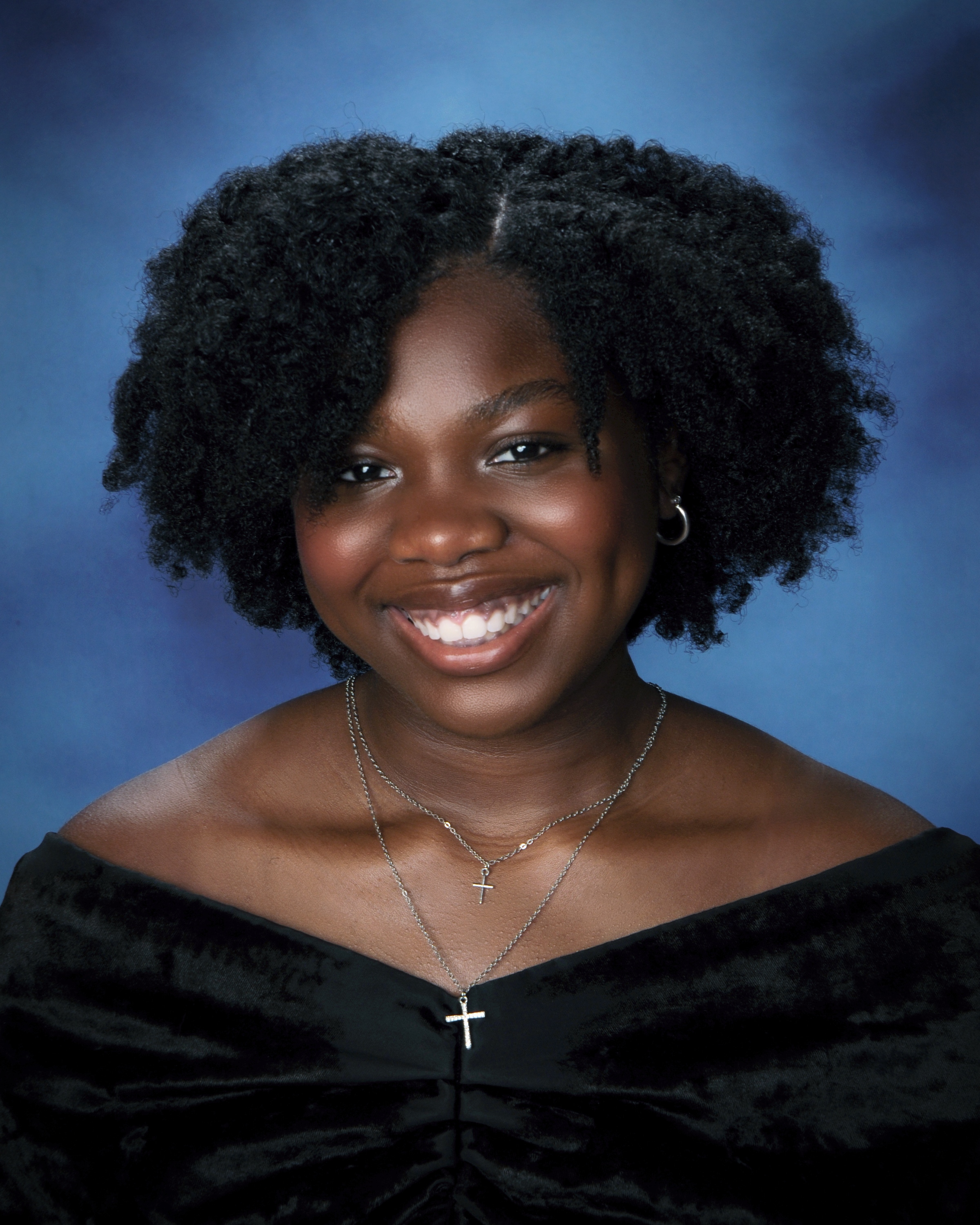
Sidney Johnson
Piketon, OH
To me, impaired driving isn't just about alcohol. It's about getting behind the wheel when you aren't fully in control. I used to think impaired driving only meant drunk driving, but I've learned it can happen in many different ways. I have experienced impaired driving that could have gone very wrong, and recently, another event where it did go horribly wrong. My best friend almost crashed her car while I was riding with her because she was upset that her boyfriend had broken up with her. She was crying, and it was raining. She briefly lost control of the vehicle. She thought she was being so careful. Impaired driving can happen easily and quickly. We were fortunate that it ended differently. She made a choice that affected not only our safety but also the safety of everyone else on the road. Knowing this has made me more aware of the importance of staying focused every time I drive.
This past summer, I lost a classmate who was a senior with me to a texting and driving accident. It was one of the most challenging experiences our school community has ever faced. He was a kind, funny person with a bright future. He was the starting wide receiver on the varsity football team. When I found out that it was him, I was at my first volleyball scrimmage of the year. I was surrounded by my friends, who all found out at the same time. He was texting when he lost control of his vehicle. I was in shock. How could this happen to one of my friends? His loss didn't seem real at first. His accident was easily something preventable that turned into a tragedy. I will forever think of driving differently. I'm ashamed to say that before his accident, I would sometimes glance at my phone at stoplights, which I considered not a big deal. Now, I don't touch my phone at all when I'm driving. I've realized that no message is worth my life.
Unfortunately, impaired driving is often misunderstood, even by people who have taken driver's education. Many drivers leave those classes understanding the rules, but not truly grasping the seriousness of the risks. Some drivers convince themselves that having "just a couple of drinks" or checking their phone for a second won't hurt anything. Others don't think being tired or stressed will affect their driving, even though it absolutely can. People often overestimate their ability. They think tragedy only happens to other people. I'm sure my friend didn't believe that sending that one text message while taking a curve he had taken a thousand times was a big deal. That false sense of confidence is what makes impaired driving so dangerous. They believe they are in control when, in truth, they aren't.
The most common types of impairment today include texting and phone use, fatigue, and substance use, such as alcohol or drugs. Texting and driving has become one of the biggest threats on the road, especially among young people. A text only takes a few seconds, but during that time, a car can travel the length of a football field. Fatigue is another silent danger — driving while exhausted slows reaction time and clouds judgment in ways that can be just as deadly as alcohol. And with the growing normalization of marijuana and prescription drug use, many drivers underestimate how those substances can dull focus and coordination. Each of these forms of impairment takes away a driver's ability to think clearly, react quickly, and make safe choices.
Driver's education and traffic safety classes can make a real difference in stopping tragedies like that from happening. The best courses won't just drill you on road signs or how to park; they show the human side of driving. They share real stories with real consequences. This helps students see the loved ones behind those statistics. These classes bring awareness to young drivers.
We all have a role in preventing impaired driving. I've made a promise never to drive distracted, tired, or under any influence, and I speak up when I see friends reaching for their phones behind the wheel. I've learned that leadership doesn't always mean giving speeches — sometimes it just means setting an example. If even one friend puts their phone away or chooses a designated driver because of something I said or did, then I've made a difference.
Driver's education taught me the basic rules, but what I've lived through is what really showed me why those rules matter. Losing a classmate in a way that never should have happened completely changed how I look at driving. I keep his memory alive by speaking up when I see someone being reckless while driving.
This past summer, I lost a classmate who was a senior with me to a texting and driving accident. It was one of the most challenging experiences our school community has ever faced. He was a kind, funny person with a bright future. He was the starting wide receiver on the varsity football team. When I found out that it was him, I was at my first volleyball scrimmage of the year. I was surrounded by my friends, who all found out at the same time. He was texting when he lost control of his vehicle. I was in shock. How could this happen to one of my friends? His loss didn't seem real at first. His accident was easily something preventable that turned into a tragedy. I will forever think of driving differently. I'm ashamed to say that before his accident, I would sometimes glance at my phone at stoplights, which I considered not a big deal. Now, I don't touch my phone at all when I'm driving. I've realized that no message is worth my life.
Unfortunately, impaired driving is often misunderstood, even by people who have taken driver's education. Many drivers leave those classes understanding the rules, but not truly grasping the seriousness of the risks. Some drivers convince themselves that having "just a couple of drinks" or checking their phone for a second won't hurt anything. Others don't think being tired or stressed will affect their driving, even though it absolutely can. People often overestimate their ability. They think tragedy only happens to other people. I'm sure my friend didn't believe that sending that one text message while taking a curve he had taken a thousand times was a big deal. That false sense of confidence is what makes impaired driving so dangerous. They believe they are in control when, in truth, they aren't.
The most common types of impairment today include texting and phone use, fatigue, and substance use, such as alcohol or drugs. Texting and driving has become one of the biggest threats on the road, especially among young people. A text only takes a few seconds, but during that time, a car can travel the length of a football field. Fatigue is another silent danger — driving while exhausted slows reaction time and clouds judgment in ways that can be just as deadly as alcohol. And with the growing normalization of marijuana and prescription drug use, many drivers underestimate how those substances can dull focus and coordination. Each of these forms of impairment takes away a driver's ability to think clearly, react quickly, and make safe choices.
Driver's education and traffic safety classes can make a real difference in stopping tragedies like that from happening. The best courses won't just drill you on road signs or how to park; they show the human side of driving. They share real stories with real consequences. This helps students see the loved ones behind those statistics. These classes bring awareness to young drivers.
We all have a role in preventing impaired driving. I've made a promise never to drive distracted, tired, or under any influence, and I speak up when I see friends reaching for their phones behind the wheel. I've learned that leadership doesn't always mean giving speeches — sometimes it just means setting an example. If even one friend puts their phone away or chooses a designated driver because of something I said or did, then I've made a difference.
Driver's education taught me the basic rules, but what I've lived through is what really showed me why those rules matter. Losing a classmate in a way that never should have happened completely changed how I look at driving. I keep his memory alive by speaking up when I see someone being reckless while driving.
Content Disclaimer:
Essays are contributed by users and represent their individual perspectives, not those of this website.


3 votes
An accident that made me aware that also time and impatience can be impairement
Karin Deutsch