2025 Driver Education Round 3
Seconds That Change Lives, Everyday
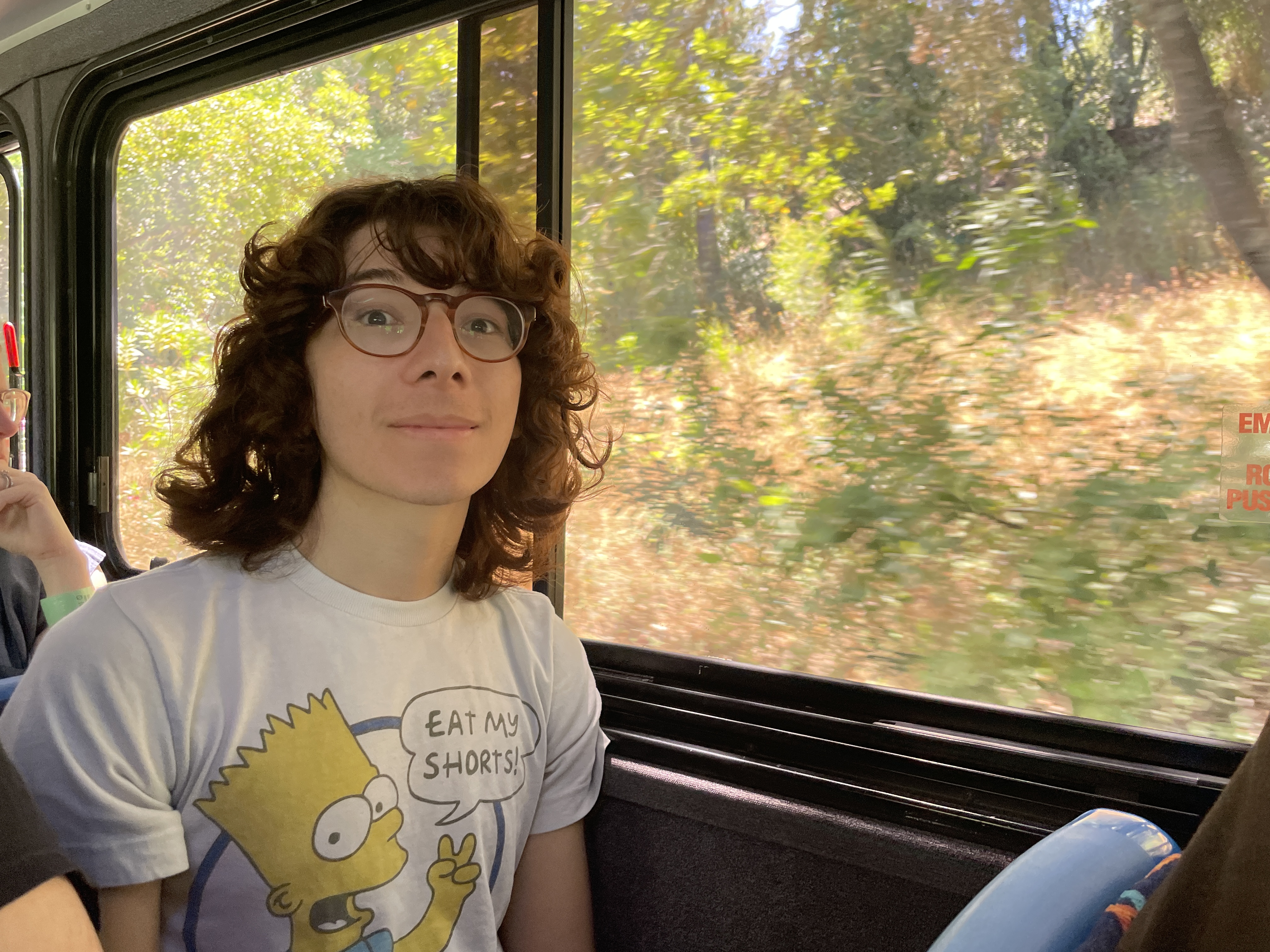
Alexander Flores
Long Beach, California
Impaired driving used to be something I understood in theory, but I never truly felt its weight until October 31st of this year. That night, I was in my first car accident, a moment that completely changed how I think about distraction, responsibility, and what it truly means to share the road with others.
Before that night, “impaired driving” meant the obvious: driving under the influence of alcohol or drugs, or falling asleep behind the wheel. But impairment is far broader than that. It’s any moment when a driver’s attention, judgment, or reaction time is compromised. What makes it so dangerous is how easily people, even with driver’s education, underestimate how quickly impairment happens, and how fast a routine drive can turn catastrophic.
On Halloween night, my girlfriend and I were driving to her home along Pacific Coast Highway, both dressed in silly costumes--- me as Popeye, her as Olive Oyl. The drive was familiar and just minutes from her house, and we were in light moods when I noticed a car swerving behind me. At first, I thought it was a momentary mistake. But the swerving continued, and the car began to close in on my passenger side. My body tightened as I realized what was coming. I honked my horn to warn the driver, but it was too late. The car slammed into the back of mine. The impact sent us skidding, my tires screeching across the pavement. For a few seconds, I lost control. When we finally stopped, my car was left undrivable and totaled.
The aftermath was stressful. I couldn’t get a proper police report at the scene, and the other driver blamed me. As someone who pays for their own insurance, I feared a rate increase that could leave me unable to drive. I spent days tracking down evidence, calling businesses along the route, until a nearby car-wash provided footage of the crash. Watching the video was eye opening. In the dim glow of the recording, I saw the faint light of a cell phone illuminating the driver’s face right before the collision. Their eyes were cast downward, focused on the screen. When they finally looked up, it was too late. The delayed reaction, the violent impact, and the knowledge that our lives were in someone else’s distracted hands stayed with me. Even the smallest distraction can have life-altering consequences, some that you can’t simply fix with insurance.
Before my accident, I had occasionally used my phone while driving. I thought it was harmless, a seemingly victimless habit. Now I understand how quickly a familiar drive can become dangerous. Impairment isn’t only caused by drugs or alcohol; it includes texting, drowsy driving, and any factor that compromises attention. My accident made abstract statistics feel real. Distraction and impairment are not distant dangers, they happen to people every day, during everyday actions: skipping a song, texting a friend, or answering a family call.
In fact, the numbers are alarming. Distracted driving claims thousands of lives: in 2023, 3,275 people died in crashes caused by distracted driving, including texting. Nearly 40% of high school students admitted to texting or emailing while driving in the past month, and texting while driving can be six times more likely to cause a crash than driving under the influence.
Driver’s education and traffic safety courses can help reduce these numbers, but only if they go beyond lectures and statistics. When courses include real stories, interactive simulations, and discussions that make the risks personal, students understand the stakes. My own Drivers Ed experience, with outdated and impersonal videos, felt disconnected from reality. Engaging curricula and student feedback could make a world of difference in the meaningfulness of these teachings.
Parents also play a critical role. Maintaining an open dialogue with teenagers isn’t about just advocating underage drinking but about fostering understanding and trust, encouraging teens to make safe choices, and reassuring them that asking for a ride is always better than taking risks.
Being on the road is a 2-3 ton responsibility. Protecting those in my car and everyone around me has become a personal duty. Prevention begins with each driver’s choices: being the sober friend, staying alert, resisting the urge to glance at a phone, and modeling safe behavior. Even though none of us are perfect, making the effort can be the difference between life and death.
Sharing my experience gives me a voice that carries weight. If it convinces even one person to put their phone down, drive sober, or pull over when tired, then my accident will have served a purpose. Safety starts with awareness, responsibility, and the commitment to influence others positively.
Content Disclaimer:
Essays are contributed by users and represent their individual perspectives, not those of this website.



3 votes
An accident that made me aware that also time and impatience can be impairement
Karin Deutsch


