2025 Driver Education Round 3
Surviving the Crash That Changed How I Drive
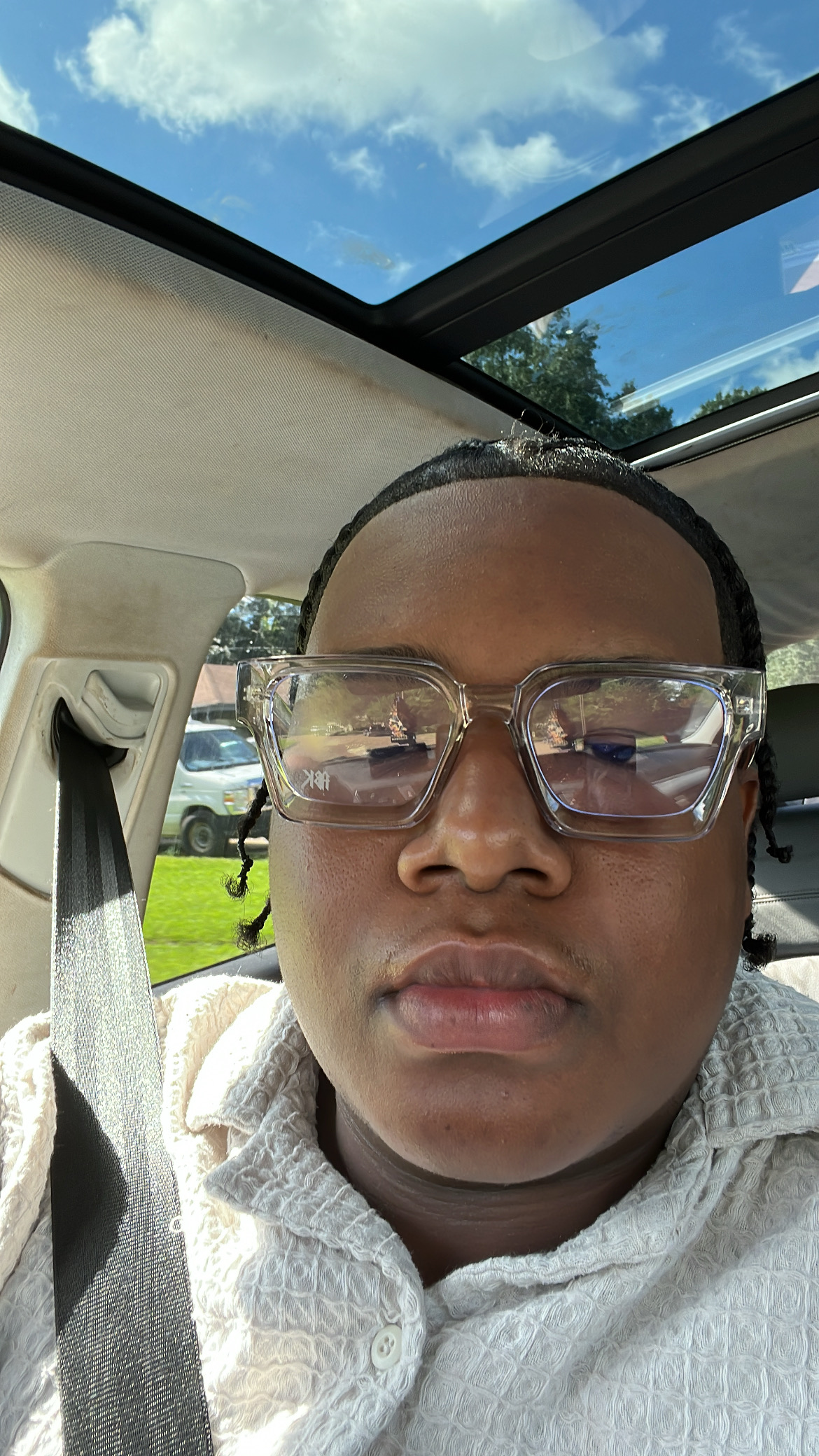
Jaylin Catchings
Jackson, MS
When people talk about “impaired driving,” they usually think about drinking and driving. But to me, it means a lot more than that. It’s about anything that keeps a driver from being fully focused or in control—like being tired, stressed, on medication, or distracted by a phone. I learned this lesson the hard way when my mom, my grandmother, and I were in a really bad car wreck a few years ago. That accident changed my life forever and made me realize how serious driving really is. It only takes one careless moment to change everything.
It was a normal day, just another drive home. We were talking, laughing, and everything seemed fine. Then out of nowhere, another car swerved into our lane and hit us head-on. The driver had been taking prescription medication and was half asleep at the wheel. I still remember the sound of metal crushing, the smell of smoke, and how time seemed to slow down. We were lucky to survive, but it was terrifying. My mom had injuries that took months to heal, and my grandmother still gets nervous whenever she rides in a car. I’ll never forget the fear I felt that day, and ever since then, I’ve seen driving in a completely different way.
That accident made me realize that being impaired doesn’t always mean being drunk or high. Sometimes it’s just being tired, upset, or distracted. People think they’re fine to drive because they’re not over the legal limit or they’ve driven tired before, but that’s how it starts. Even people who have gone through driver’s education don’t always take it seriously after they get their license. They forget the lessons about staying alert and focused. But one moment of overconfidence or distraction can destroy lives. I’ve seen it firsthand.
Today, the biggest kind of impairment I see is distraction—especially texting while driving. Phones make it so easy to lose focus for just a few seconds, and that’s all it takes for something terrible to happen. I see my friends look down at their phones while driving, and it makes me anxious every time. I tell them about my accident, and sometimes they laugh it off, but I hope it sticks with them later. No text, song, or notification is worth someone’s life.
Driver’s education classes are so important because they teach us more than just how to drive. They teach us how to think while driving. When I took driver’s ed, we watched videos of real accidents caused by drunk or distracted drivers. Seeing the faces of families who lost loved ones was heartbreaking. It hit me that behind every number or statistic, there’s a person who was loved and missed. That realization made me want to be the kind of driver who protects people, not puts them at risk.
Driver’s ed also helped me understand defensive driving—like always staying alert, giving myself extra time to react, and never assuming other drivers are paying attention. But I think these programs could do even more to talk about fatigue, emotions, and distractions. Not every impaired driver is drunk; some are just exhausted, stressed, or sad. Teaching new drivers about emotional control and the dangers of multitasking behind the wheel could really make a difference.
Because of what happened to my family, I take driving seriously every single time I get behind the wheel. I don’t drive if I’m tired or upset, and I keep my phone on “Do Not Disturb.” When my friends are in the car, I make sure the music isn’t too loud and everyone’s wearing a seatbelt. I know it might sound strict, but it’s worth it. I also try to talk openly about what I’ve been through. If sharing my story makes even one person think twice before driving impaired, then something good comes from what we went through.
Being “in the driver’s seat” means more than just steering a car. It means being in control of your actions and understanding how much responsibility comes with that. Driver’s education gives us the tools, but it’s up to us to actually use them. Every driver has the power to save lives or take them, depending on the choices they make. I’ve seen the consequences, and I never want to experience them again.
That crash changed me. It taught me that driving isn’t just about getting somewhere — it’s about making sure you and everyone around you arrive safely. My mom, my grandmother, and I could have died that day, and that thought still scares me. But it also motivates me. I can’t change what happened, but I can use my experience to be a safer driver and to remind others to do the same. Impaired driving is preventable, and if more people truly understood that, fewer families would have to go through what mine did. I’ll always remember that being safe behind the wheel doesn’t just protect you — it protects everyone you share the road with.
Content Disclaimer:
Essays are contributed by users and represent their individual perspectives, not those of this website.



3 votes
An accident that made me aware that also time and impatience can be impairement
Karin Deutsch


