2025 Driver Education Round 3
The Awareness of Impaired Driving
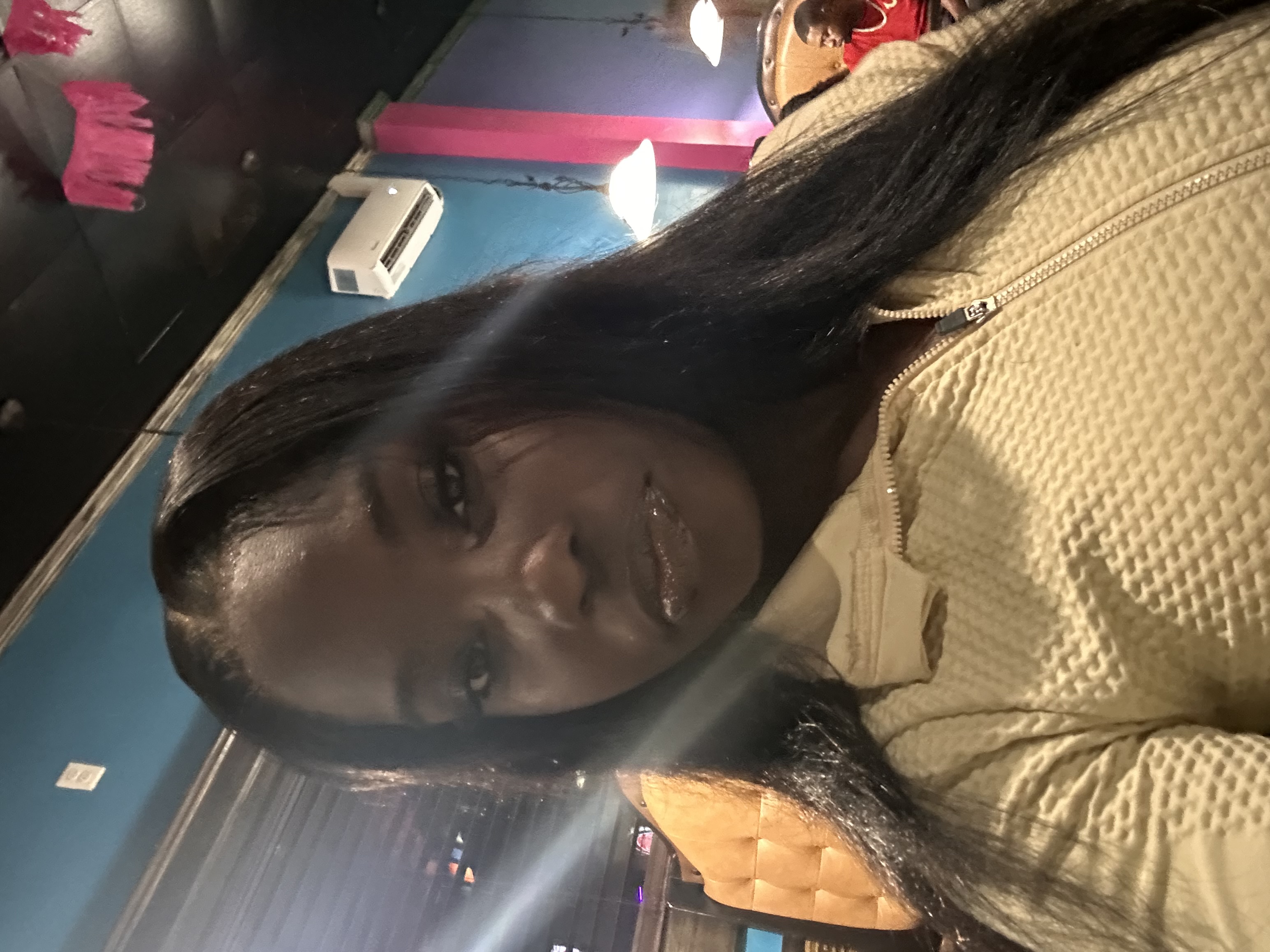
Shania Kyles
Cleveland, MS
Impaired driving, to me, means driving when your ability to think clearly, react quickly, or judge situations safely is affected by any substance, condition, or emotional state. Most people tend to think of impaired driving only as someone getting behind the wheel drunk or high, but those two leave out a lot of situations that are just as dangerous. Impairment can come from alcohol, illegal drugs, prescription medications, or even simple fatigue that makes someone react slower than normal. It can come from emotional distress, distraction, or being in a mindset where you are not fully in reality. That misunderstanding that impaired driving only means “falling-down drunk” causes many people, including those who have taken driver’s education or traffic safety courses, to not really know what impairment is. They don’t realize that even one decision made in an altered state can change their life and the lives of others forever.
The most common forms of impairment today include alcohol, drugs, fatigue, and distraction, especially texting while driving. Alcohol affects the brain by slowing reaction time, weakening judgment, and giving people a false sense of confidence. Drugs can alter consciousness, cause drowsiness, and interfere with decision-making, even when someone thinks they feel “fine.” Fatigue affects the body just like alcohol does, making it harder to concentrate and making a person more likely to fall asleep at the wheel. And using a phone takes your eyes and attention away from the road, making it just as dangerous as driving under the influence. All of these forms of impairment lead to unsafe behavior because they interfere with what drivers need most: awareness, control, judgment, and the ability to react to unexpected situations.
I know this not just because I’ve been taught it, but because I lived it. I have personally experienced impaired driving, and not from the perspective of someone watching it was me behind the wheel. One night, I made the decision to drive when I should not have. I was not in the right state of mind, and I was under the influence. I thought I was okay enough to make it home, and like many people, I underestimated how impairment really affects you. But the moment things went wrong, reality hit me harder than anything ever had before.
That night I ended up being pulled over and arrested. I had to step out of the car and take a breathalyzer test while standing on the side of the road with my best friend in the car, fully aware that everything happening was a consequence of my own choices. The flashing lights, and the police searching my car and all my belongings, just asking questions. I remember feeling terrified, embarrassed, and overwhelmed by the realization that I could have hurt someone, possibly killed someone, or destroyed my own future. I had always heard about DUI arrests and accidents caused by impaired driving, but actually experiencing it myself was something entirely different. At that moment I understood that impaired driving is not just a “bad idea”; it is a dangerous, life-changing decision that can have permanent consequences.
As part of my sentencing, I had to complete classes, including MASEPS (an alcohol safety and education program), that were specifically designed to teach people about the dangers of impaired driving. At first, I assumed the classes would just be lectures or basic information I already knew. Instead, they were some of the most emotional experiences I’ve ever seen. We were required to read stories, do homework, and watch videos about real people who had lost family members, parents, children, siblings, and friends to impaired drivers. These weren’t fake examples. They were real families whose lives had been shattered because someone else thought they were “okay to drive.”
Listening to mothers talk about losing their teenage sons, or watching fathers describe the moment they learned their child was gone forever, left a major impact on me. I remember sitting in those classes thinking about how easily I could have been responsible for the same kind of tragedy. It was heartbreaking to see the pain these families lived with and the way they talked about the people they lost. People who had birthdays, personalities, dreams, and futures that were taken from them in a single moment. Those stories made me confront the reality of what impaired driving truly costs. It is not just a legal problem. It is a human one.
Driver’s education and traffic safety courses, especially programs like the ones I had to complete after my arrest, can play a major role in changing attitudes about impaired driving. Classroom warnings and textbook chapters provide good information, but real transformation happens when people see the human side of the issue. When they hear firsthand from victims’ families, watch stories of loss, and encounter real-world consequences, the message becomes hard to ignore. These programs show how one careless moment can ruin lives, end futures, and cause pain that lasts for generations. They help people understand that impaired driving is preventable and that avoiding it is a choice we must all consciously make.
These courses are effective because they confront people not with fear tactics, but with truth. They show the real impact of impaired driving in ways that statistics cannot. They also provide tools and strategies for preventing impairment such as planning rides in advance, using designated drivers, recognizing signs of impairment, and understanding how substances actually affect the mind and body. When people see the full picture, they become more responsible and more aware, not just for themselves but for others.
Personally, the role I can play in preventing impaired driving is to take responsibility for my choices and to never drink and drive again. My experience changed me, and I will not repeat the same mistake. I can also be someone who speaks up when others around me consider driving under the influence. With what I’ve learned, I can explain the consequences clearly, honestly, and from real experience. I can encourage people to think about the lives they might be affecting and remind them that it only takes one moment to change everything. My own story, my arrest, the breathalyzer test, the classes, and the emotional weight of the stories I watched can serve as a warning and hopefully prevent others from making the same mistake I made.
Impaired driving is not something that affects “other people.” It affects communities, families, and futures. And it only stops when individuals make better choices and hold themselves accountable. I now understand the responsibility I have every time I get behind the wheel, and I plan to use my experience to encourage safer decisions in others. My goal is to not only avoid impaired driving myself but to help create a culture where people think twice, take care of one another, and protect the lives around them. That is how I hope to contribute to preventing impaired driving not only through my actions, but by sharing my story to help others avoid the pain, fear, and consequences that I have lived through.
Content Disclaimer:
Essays are contributed by users and represent their individual perspectives, not those of this website.



3 votes
An accident that made me aware that also time and impatience can be impairement
Karin Deutsch