2025 Driver Education Round 3
The Cost of a Moment: Why Safe Driving Must Be a Personal Responsibility
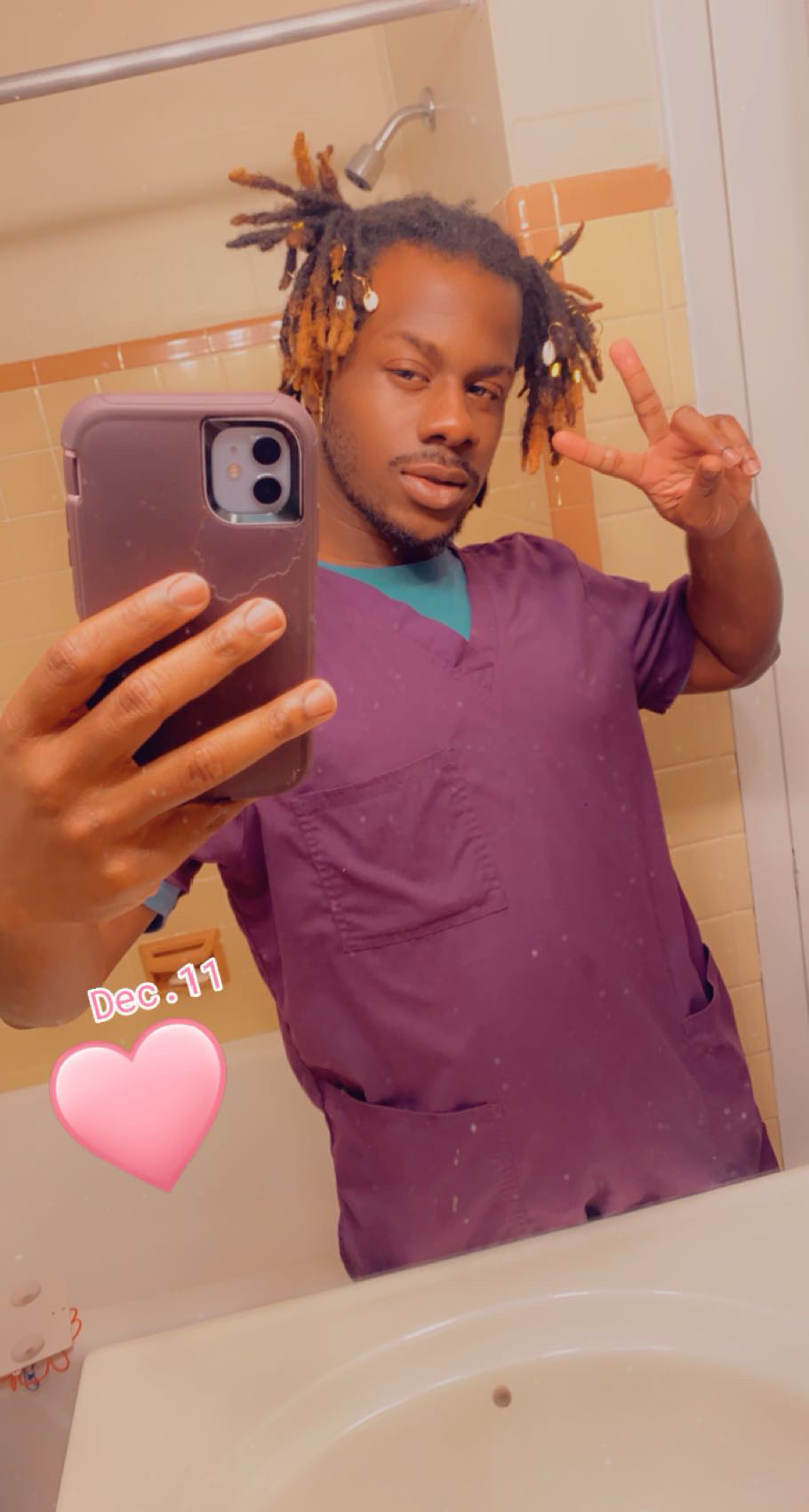
Robert Ed Norton Ii
Bessemer, AL
Every day we wake up, step outside, and make choices that seem small—so small we barely notice them. Turning the key in the ignition, merging onto a highway, rolling through a yellow light, trying to beat traffic because we’re running late. These choices feel routine. But the moment we get behind the wheel, we are accepting responsibility not only for ourselves, but for every life around us: passengers, pedestrians, families in the cars beside us, and people we may never meet. Safe driving is not just a rule we follow to avoid tickets; it is a moral obligation. It is the line that protects the future we have worked for, the people we love, and the lives of strangers who trust us without knowing it. I learned this truth the hardest way a person can—through the loss of my best friend.
One of the most painful realities about unsafe driving is how quickly it steals everything away. A careless decision behind the wheel does not ask permission before it shatters a family or ends a life. My best friend died in a way I wish I could rewrite a thousand times. He was young, full of potential, full of fire, but he got caught up in the heat of the moment. He rushed out, driving fast—too fast—trying to get to a fight that should never have happened. On First Avenue North heading into downtown, he hit a semi-truck, running a red light at nearly 90 miles per hour. It happened so fast he did not even have a chance to brake, to think, to regret, or to turn back. The impact was immediate. So was the end of his life.
There is a specific kind of silence that follows a tragedy like that. It is the silence of replaying the moment in your head, wondering why one impulsive decision had to cost so much. It is the silence of watching his family break down, knowing they will never see him walk through the door again. It is the silence of realizing that life, as fragile as it is, depends on the choices we make in seconds. Losing him did not just hurt—it taught me something profound: unsafe driving does not give second chances. It does not wait for you to cool down or think twice. It takes what it wants immediately.
The truth is, unsafe driving harms far more than just the person behind the wheel. When someone speeds, texts while driving, drinks, or runs a red light, they are placing strangers at risk—strangers who may have done nothing wrong except be in the wrong place at the wrong time. Children riding in the back seat, parents heading to work, someone simply trying to make it home. All their lives hang in the balance of another driver’s responsibility. That is a weight we all carry whether we acknowledge it or not.
And beyond the loss of life, unsafe driving takes everything else too—careers, opportunities, dreams, trust. One careless act can lead to losing a job, losing sponsors, losing your license, or facing criminal charges. A person can spend years building a reputation only to watch it collapse because of one reckless decision that lasted less than a minute. Employers question reliability. Schools question judgment. Families lose faith. And perhaps worst of all, you lose faith in yourself. You must live with the guilt of what your decision caused.
Safe driving should be taught not only as a legal requirement but as an emotional and ethical responsibility. People need to understand that every person on the road has a story, a family, a future, a dream—just like my best friend did. The road is not a place for impulsive behavior, anger, or rushing. It demands patience, awareness, and respect. It requires maturity. It requires valuing our lives and the lives of others more than we value being on time or “winning” a moment of pride.
My friend’s story haunts me, but it also guides me. It reminds me that life is fragile, and that our decisions matter. When I think about who I want to be—someone dependable, someone who honors the people I have lost, someone who values life—I realize that safe driving is an extension of character. It shows whether you are responsible, thoughtful, and aware of the impact you have on the world. These are qualities not just for driving, but for leadership, for education, for building a future, and for earning the trust of others.
As I apply for this scholarship, I do so with the understanding that achieving my goals means making choices that protect my future. I owe it to myself, to my family, and to my best friend to carry this lesson forward. Safe driving is not just a rule—it is a promise. A promise to value human life. A promise to treat the road with respect. A promise to never let a moment of carelessness become a lifetime of regret.
If my friend had slowed down, if he had taken a breath, if he had valued his life and future over the heat of that moment—he would still be here. We would still laugh, we would still argue, we would still plan our futures. But instead, I carry his story as a reminder to everyone: your life is worth slowing down for. So are the lives of others.
Content Disclaimer:
Essays are contributed by users and represent their individual perspectives, not those of this website.



3 votes
An accident that made me aware that also time and impatience can be impairement
Karin Deutsch


