2025 Driver Education Round 3
The Cost of a Moment's Distraction
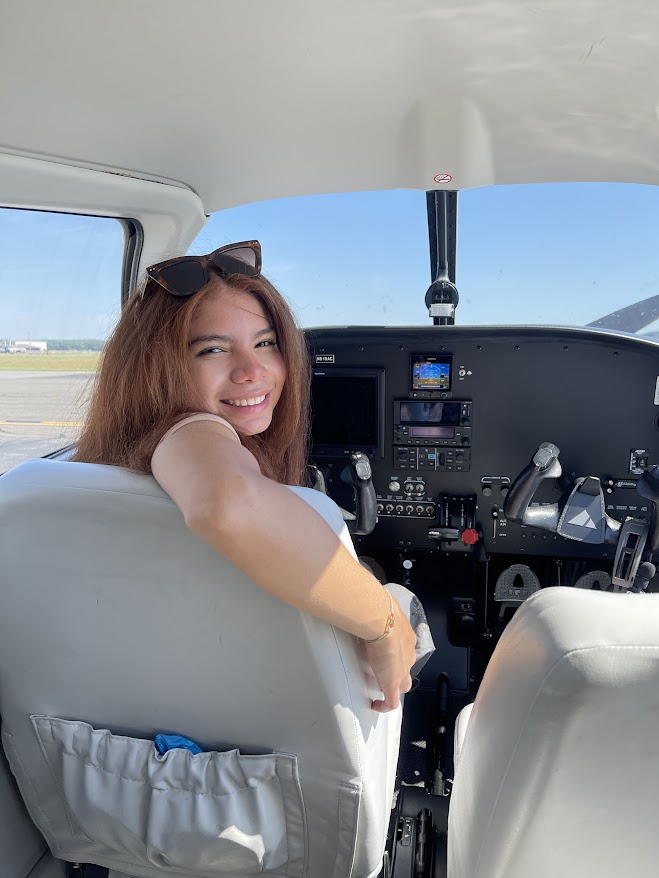
Katia Gonzalez
Springfield, Massachusetts
Road transportation never really stops. Someone, somewhere, is always driving. It’s convenient, it’s normal, and most of us don’t think twice about it. But during my driver’s education, I learned something that stuck with me: driving is a privilege. That simple idea changed the way I looked at being behind the wheel. If it’s a privilege, then it’s something we have to respect. It’s easy to forget how powerful a car really is until you’re the one controlling it, and that responsibility becomes yours alone.
When I think about being on the road, what stands out to me isn’t just the big dangers, but the subtle moments when a driver isn’t fully present. Sometimes it’s exhaustion after a long day or a mind tangled up in stress. Over time, it’s the tiny habits we’ve normalized, checking a notification, adjusting music, or drifting into a thought that pulls your attention just far enough away. These moments rarely look dangerous, which is why people don’t treat them like real risks. In a world where distractions are constant and attention is always being pulled in a hundred different directions, it becomes almost natural to underestimate how much focus driving actually requires. Distractions don’t feel threatening until they suddenly are.
The reality of that became personal long before I ever got behind the wheel. When my mom was a little girl, she was run over by a car. The driver wasn’t drunk, but distracted. That one moment changed her childhood. She had to miss school for a long period of time because she underwent full facial surgery. She still remembers the moment vividly and recounts her experience at the dinner table. Growing up hearing that story made me see driving differently from the start. It wasn’t just a skill I needed to learn; it was something that required focus.
Now I live right by a university where students are constantly crossing the road — headphones in, backpacks strapped on, rushing to get to class. Each person crossing reminds me how fragile everyone is, how one moment of carelessness can change a life forever. Every time I pull out of my street, I’m on edge. When I’m surrounded by people who trust drivers to pay attention, it feels like a duty to live up to that trust. Fooling around, even for a second, just isn’t something I can justify — not when the cost of one distracted moment is so much bigger than whatever I’d gain from it.
Driver’s education only strengthened those feelings. Thirty hours on Zoom and twelve hours behind the wheel might sound routine, but my instructors were relentless about one message: impairment isn’t just alcohol or drugs. It’s anything that steals your mind, your eyes, or your hands from the road. And in today’s world, temptation is everywhere. A vape sitting in the cupholder, a text buzzing in your pocket, a song you want to skip, everything is within arm’s reach. For people who struggle with addiction, or even just habits they don’t think twice about, that split-second choice becomes even harder to resist. It’s easy to believe you can multitask, that you’ve driven enough to “handle it,” that one glance or one inhale won’t matter. But accessibility doesn’t equal safety, and familiarity definitely doesn’t equal control. I compare it to flying: even the most trained pilots have to stay alert, constantly scanning outside the cockpit because anything can change without warning.
Driver’s ed didn’t just teach rules; it taught consequences. The videos, the stories, the discussions — they made everything real. Then, eventually, practicing on real roads pushed all of that into perspective. You feel how quickly things can shift, how unpredictable other drivers can be, and how your choices affect everyone around you. You must notice when you’re mentally ready, when your emotions are running too high, when your body is tired, or when your attention feels stretched thin. It’s recognizing those signals before you start the car. And that type of awareness requires honesty.
As for me, I know I have a role in preventing impaired driving. Even if I can’t control what everyone else does, I can control myself. I can choose not to drive tired or distracted. I can pull over and breathe if I feel overwhelmed. My mom’s story, my environment, and my training have made me more aware and more cautious. Every time I drive now, I carry all of that with me. And that awareness, I hope, is something that not only keeps me safe but also protects the people around me, people I know, people I don’t know, and everyone else who shares the road.
Content Disclaimer:
Essays are contributed by users and represent their individual perspectives, not those of this website.



3 votes
An accident that made me aware that also time and impatience can be impairement
Karin Deutsch


