2025 Driver Education Round 3
The Cost of a Single Decision

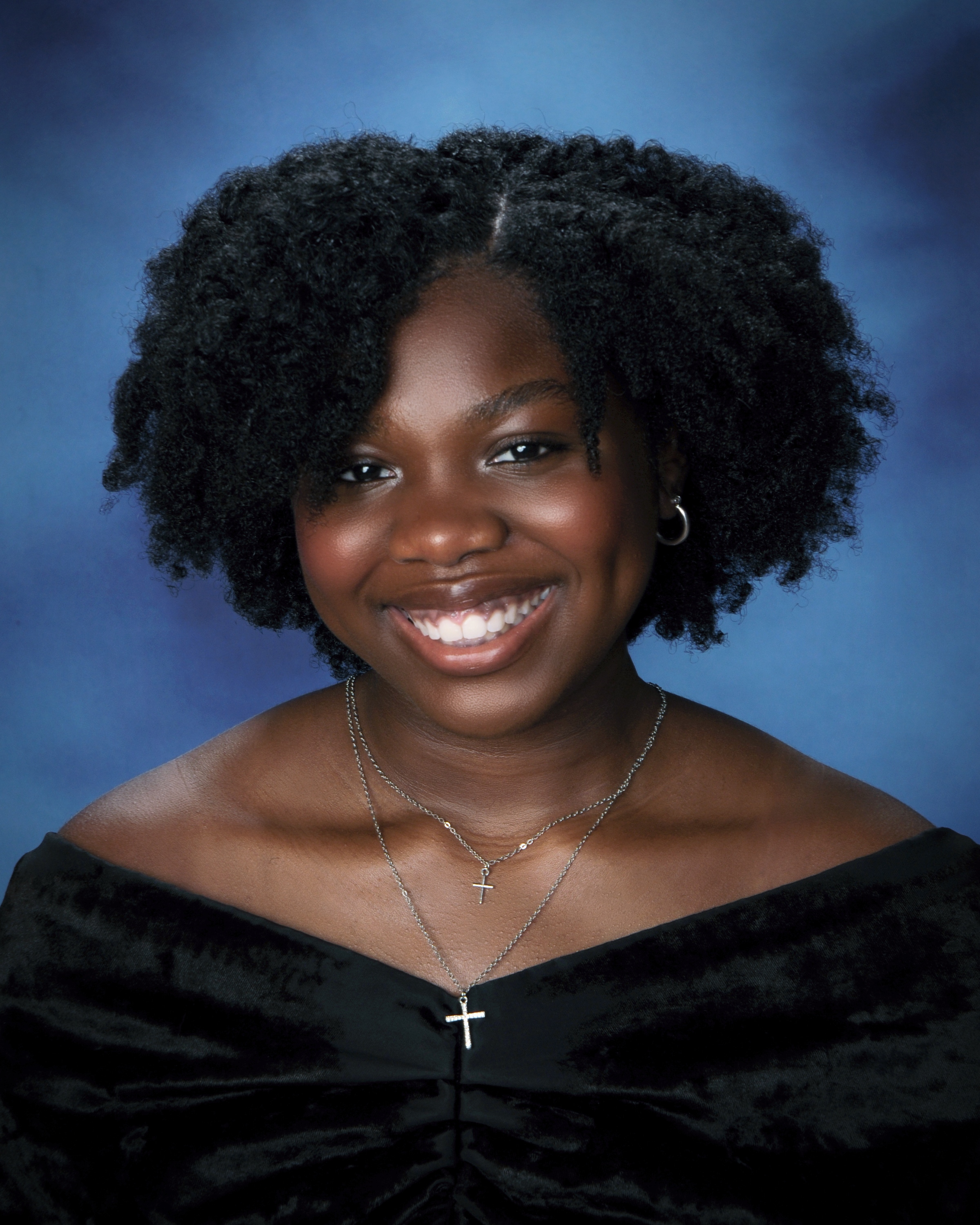
Skye Madatali
St.louis, Missouri, Missouri
One night after a tennis tournament, my family was driving home when a car swerved past us, drifting across lanes. Later we learned the driver was intoxicated and had been stopped a few miles ahead. Nothing happened to us, but it could have. That moment changed the way I think about impaired driving. It made me realize how quickly a normal night could turn into something irreversible and how many families experience that reality.
Impaired driving entails more than just driving drunk. To me, it means operating a vehicle when your mind or body is not fully able to keep others safe. Many people misunderstand this, even after driver’s education, because they often think “impaired” only refers to alcohol or that a “little” distraction will not matter. In reality, impairment includes alcohol, drugs, texting, social media, emotional stress, and even fatigue. Texting is especially common among young drivers, while adults often underestimate the effects of tiredness or prescription medications. All of these factors can slow reaction time, blur judgment, and increase risky behavior.
One story that shows just how devastating impaired driving losses can be is the story of Prisca Patrick and her older brother, John Michfael. Prisca survived Stage IV brain cancer as a baby, and throughout her childhood, John Michael supported her every step of the way. When he was 19, a repeat drunk driver ran a red light and killed him and his girlfriend instantly. Prisca remembers her mother collapsing when the police came to the door, the silence that replaced laughter in their home, and the milestones her brother would never reach. Her family did everything right. They loved and supported their children. Someone else’s choice took it all away. When I think about my own older sister, someone I learn from and look up to every day, the thought of losing her in a preventable moment is unbearable.
What struck me most as I learned more about impaired driving is how often people convince themselves that nothing bad will happen “just this once.” That mindset is everywhere, among teenagers who think looking at a text for three seconds won’t matter, among adults who believe they are “fine to drive,” and even within friend groups where people hesitate to speak up. I have watched classmates shrug off dangerous habits because they assume crashes are things that happen to other people, in other places, to other families. Yet the truth is that impaired driving is incredibly common, and its consequences are completely unpredictable. A single distraction, a single misjudgment, a single moment of overconfidence can alter someone’s future forever.
This reality became even clearer to me during a school assembly where a local firefighter spoke about responding to a crash involving two teenagers who had been texting and driving. He described arriving at the scene, seeing the mangled car, and hearing one of the boys repeatedly ask, “Is my friend okay?” even though he already knew the answer. He talked about having to knock on doors in the middle of the night and deliver news that destroys families. Hearing him speak made me understand that first responders carry these memories for the rest of their lives. Behind every statistic is a web of parents, siblings, teammates, teachers, and friends who are forever changed. That assembly, along with my own experience on the road, pushed me to think not only about how I drive, but also about how I influence others. It made me realize that responsibility is not just personal, it is communal. Preventing impaired driving means creating a culture where safety is expected, honesty is encouraged, and speaking up is normal, even when it feels uncomfortable.
Driver’s education and traffic school can make a difference when they go beyond basic rules. Courses that include survivor stories, realistic simulations, and discussions about all forms of impairment help students understand the real-world stakes. Effective programs change attitudes, not just knowledge.
My role is to stay responsible behind the wheel, plan ahead, speak up when someone is unfit to drive, and encourage safer habits among friends. Even small actions such as offering a ride, calling a rideshare, or refusing to let someone text while driving, can prevent tragedy. Using what I know to influence others is part of keeping my community safe.
Looking ahead, I also hope to make a broader impact through my future career. At the University of Notre Dame, I plan to pursue business with the goal of creating an online retail company where customers choose a nonprofit to support with each purchase. A portion of every sale would go to organizations dedicated to preventing impaired driving, such as Mothers Against Drunk Driving and the Drunk Drivers Association of America. Combining entrepreneurship with service allows me to extend my commitment to safety beyond the road, helping support families, survivors, and programs that work every day to save lives.
Impaired driving entails more than just driving drunk. To me, it means operating a vehicle when your mind or body is not fully able to keep others safe. Many people misunderstand this, even after driver’s education, because they often think “impaired” only refers to alcohol or that a “little” distraction will not matter. In reality, impairment includes alcohol, drugs, texting, social media, emotional stress, and even fatigue. Texting is especially common among young drivers, while adults often underestimate the effects of tiredness or prescription medications. All of these factors can slow reaction time, blur judgment, and increase risky behavior.
One story that shows just how devastating impaired driving losses can be is the story of Prisca Patrick and her older brother, John Michfael. Prisca survived Stage IV brain cancer as a baby, and throughout her childhood, John Michael supported her every step of the way. When he was 19, a repeat drunk driver ran a red light and killed him and his girlfriend instantly. Prisca remembers her mother collapsing when the police came to the door, the silence that replaced laughter in their home, and the milestones her brother would never reach. Her family did everything right. They loved and supported their children. Someone else’s choice took it all away. When I think about my own older sister, someone I learn from and look up to every day, the thought of losing her in a preventable moment is unbearable.
What struck me most as I learned more about impaired driving is how often people convince themselves that nothing bad will happen “just this once.” That mindset is everywhere, among teenagers who think looking at a text for three seconds won’t matter, among adults who believe they are “fine to drive,” and even within friend groups where people hesitate to speak up. I have watched classmates shrug off dangerous habits because they assume crashes are things that happen to other people, in other places, to other families. Yet the truth is that impaired driving is incredibly common, and its consequences are completely unpredictable. A single distraction, a single misjudgment, a single moment of overconfidence can alter someone’s future forever.
This reality became even clearer to me during a school assembly where a local firefighter spoke about responding to a crash involving two teenagers who had been texting and driving. He described arriving at the scene, seeing the mangled car, and hearing one of the boys repeatedly ask, “Is my friend okay?” even though he already knew the answer. He talked about having to knock on doors in the middle of the night and deliver news that destroys families. Hearing him speak made me understand that first responders carry these memories for the rest of their lives. Behind every statistic is a web of parents, siblings, teammates, teachers, and friends who are forever changed. That assembly, along with my own experience on the road, pushed me to think not only about how I drive, but also about how I influence others. It made me realize that responsibility is not just personal, it is communal. Preventing impaired driving means creating a culture where safety is expected, honesty is encouraged, and speaking up is normal, even when it feels uncomfortable.
Driver’s education and traffic school can make a difference when they go beyond basic rules. Courses that include survivor stories, realistic simulations, and discussions about all forms of impairment help students understand the real-world stakes. Effective programs change attitudes, not just knowledge.
My role is to stay responsible behind the wheel, plan ahead, speak up when someone is unfit to drive, and encourage safer habits among friends. Even small actions such as offering a ride, calling a rideshare, or refusing to let someone text while driving, can prevent tragedy. Using what I know to influence others is part of keeping my community safe.
Looking ahead, I also hope to make a broader impact through my future career. At the University of Notre Dame, I plan to pursue business with the goal of creating an online retail company where customers choose a nonprofit to support with each purchase. A portion of every sale would go to organizations dedicated to preventing impaired driving, such as Mothers Against Drunk Driving and the Drunk Drivers Association of America. Combining entrepreneurship with service allows me to extend my commitment to safety beyond the road, helping support families, survivors, and programs that work every day to save lives.
Content Disclaimer:
Essays are contributed by users and represent their individual perspectives, not those of this website.


3 votes
An accident that made me aware that also time and impatience can be impairement
Karin Deutsch