2025 Driver Education Round 3
The Cost of Impaired Driving

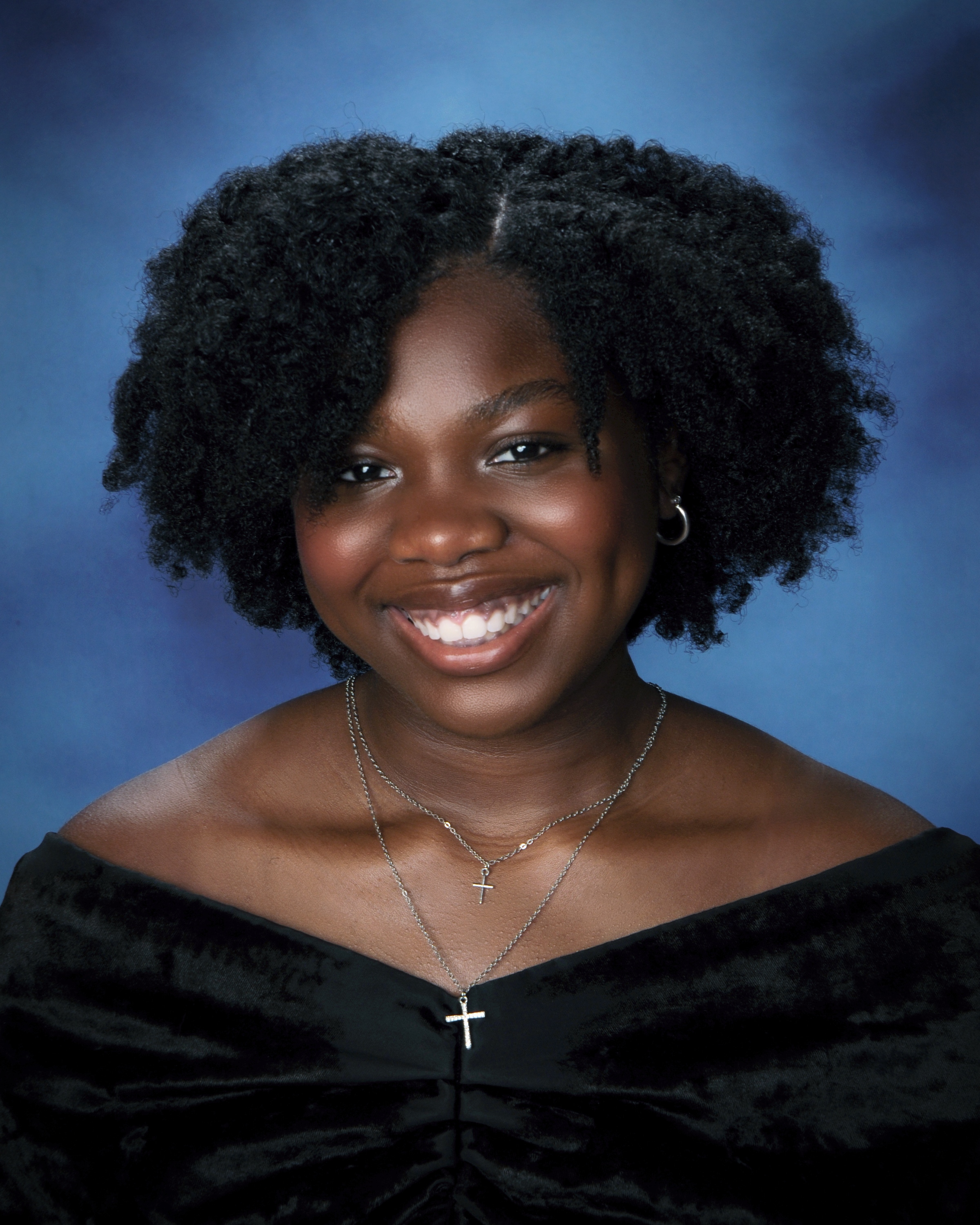
Kya Emrich
Brecksville, Ohio
When I think about impaired driving, it’s not just about drunk driving, like most people picture. It’s really any moment when a driver can’t think straight, react fast, or make good decisions behind the wheel, whether that’s because of alcohol, drugs, being exhausted, stressed, or just plain distracted. The scary part is that a lot of us underestimate how easily we can become impaired. Even if you’ve sat through driver’s ed, it’s easy to slip into thinking, “I’m under the legal limit, I’m not high, so I’m good.” But impairment doesn’t mean you have to be wasted, it just takes a split second when your mind or body can’t keep up with driving.
These days, some of the worst forms of impairment are the ones nobody really takes seriously. The big one? Our phones. Texting, messing with music, checking GPS, or just glancing at a notification, any of that can steal your focus long enough for something bad to happen. Even hands-free setups don’t solve it. If your mind’s somewhere else, you’re not really driving. Then there’s fatigue, which hits tons of teens and young adults. Think about a student driving home after cramming all night, or someone leaving a late shift. They’re just as vulnerable as someone who’s been drinking. Fatigue slows your reflexes, muddies your judgment, and causes these tiny “micro-sleep” blackouts, just a second or two, but that’s all it takes to miss a red light or drift into another lane. Because being tired is so normal, most people don’t even realize they’re impaired until it’s too late.
Of course, alcohol and drugs still matter, a lot. But it’s not just about illegal stuff. Prescription meds, cold medicine, and cannabis, all of these can screw with your reaction time and coordination. The biggest problem? People don’t see them as dangerous. It’s easy to say, “I’m just a little tired,” or “It’s only one text,” or “I’ve driven after taking this before.” But those little excuses can lead to disaster.
My view on impaired driving changed completely after a family friend got hurt in a crash, caused by distraction, not drinking. The guy who hit her wasn’t being reckless; he just glanced at his phone to read a message. That quick look down, that tiny mistake, left him with zero time to stop. She survived, but she spent months in therapy and still feels anxious driving. Whenever I would drive with her in the car, there was tension. Hearing her talk about that moment, and how one stranger’s distraction flipped her life upside down, made me rethink everything. I used to think only careless people drove impaired. Now I get how one ordinary decision can destroy lives. Since then, I silence my phone before I drive and pay more attention to how I’m feeling. If I’m wiped out, stressed, or just not all there, I wait, rest, or ask for a ride. No destination is worth risking someone’s life. After hearing her story, I realized that it can happen to me.
Another thing I’ve learned is that preventing impaired driving isn’t just about rules; it’s about changing the culture around driving. Too many people see risky behavior as “normal,” like replying to a text at a stoplight or driving home exhausted because they don’t want to bother someone for a ride. If more of us were honest about how often we’ve taken those risks, we’d realize how common impairment really is. I want to be part of a generation that calls this out, supports each other, and makes safe driving the expectation, not the exception.
Driver’s ed and traffic safety classes really do help people see the full picture. What works is that they turn these vague dangers into something real. Stuff like learning how alcohol really affects your body, trying reaction-time tests, watching crash simulations, or hearing from actual victims, it all makes the danger sink in. Driver’s ed also teaches you how to spot when you’re too tired, distracted, or overwhelmed to drive. It gives you strategies: plan a safe ride, set phone-free rules, skip late-night drives when you’re exhausted, and check how your meds might affect you. When these programs talk about real-life challenges, like phone addiction or how tired teens are, they actually make a difference.
I’m about to start driving on my own, and I know it’s on me to help stop impaired driving. Just knowing the risks isn’t enough, we have to actually do things differently. With my friends, I talk about putting phones on silent, taking breaks if we’re tired, and speaking up if someone seems off. I’ll volunteer to be the designated driver, or help plan group rides home so nobody feels stuck making a risky choice. These conversations matter, because honestly, we learn just as much from each other as from any driving class.
These days, some of the worst forms of impairment are the ones nobody really takes seriously. The big one? Our phones. Texting, messing with music, checking GPS, or just glancing at a notification, any of that can steal your focus long enough for something bad to happen. Even hands-free setups don’t solve it. If your mind’s somewhere else, you’re not really driving. Then there’s fatigue, which hits tons of teens and young adults. Think about a student driving home after cramming all night, or someone leaving a late shift. They’re just as vulnerable as someone who’s been drinking. Fatigue slows your reflexes, muddies your judgment, and causes these tiny “micro-sleep” blackouts, just a second or two, but that’s all it takes to miss a red light or drift into another lane. Because being tired is so normal, most people don’t even realize they’re impaired until it’s too late.
Of course, alcohol and drugs still matter, a lot. But it’s not just about illegal stuff. Prescription meds, cold medicine, and cannabis, all of these can screw with your reaction time and coordination. The biggest problem? People don’t see them as dangerous. It’s easy to say, “I’m just a little tired,” or “It’s only one text,” or “I’ve driven after taking this before.” But those little excuses can lead to disaster.
My view on impaired driving changed completely after a family friend got hurt in a crash, caused by distraction, not drinking. The guy who hit her wasn’t being reckless; he just glanced at his phone to read a message. That quick look down, that tiny mistake, left him with zero time to stop. She survived, but she spent months in therapy and still feels anxious driving. Whenever I would drive with her in the car, there was tension. Hearing her talk about that moment, and how one stranger’s distraction flipped her life upside down, made me rethink everything. I used to think only careless people drove impaired. Now I get how one ordinary decision can destroy lives. Since then, I silence my phone before I drive and pay more attention to how I’m feeling. If I’m wiped out, stressed, or just not all there, I wait, rest, or ask for a ride. No destination is worth risking someone’s life. After hearing her story, I realized that it can happen to me.
Another thing I’ve learned is that preventing impaired driving isn’t just about rules; it’s about changing the culture around driving. Too many people see risky behavior as “normal,” like replying to a text at a stoplight or driving home exhausted because they don’t want to bother someone for a ride. If more of us were honest about how often we’ve taken those risks, we’d realize how common impairment really is. I want to be part of a generation that calls this out, supports each other, and makes safe driving the expectation, not the exception.
Driver’s ed and traffic safety classes really do help people see the full picture. What works is that they turn these vague dangers into something real. Stuff like learning how alcohol really affects your body, trying reaction-time tests, watching crash simulations, or hearing from actual victims, it all makes the danger sink in. Driver’s ed also teaches you how to spot when you’re too tired, distracted, or overwhelmed to drive. It gives you strategies: plan a safe ride, set phone-free rules, skip late-night drives when you’re exhausted, and check how your meds might affect you. When these programs talk about real-life challenges, like phone addiction or how tired teens are, they actually make a difference.
I’m about to start driving on my own, and I know it’s on me to help stop impaired driving. Just knowing the risks isn’t enough, we have to actually do things differently. With my friends, I talk about putting phones on silent, taking breaks if we’re tired, and speaking up if someone seems off. I’ll volunteer to be the designated driver, or help plan group rides home so nobody feels stuck making a risky choice. These conversations matter, because honestly, we learn just as much from each other as from any driving class.
Content Disclaimer:
Essays are contributed by users and represent their individual perspectives, not those of this website.


3 votes
An accident that made me aware that also time and impatience can be impairement
Karin Deutsch