2025 Driver Education Round 3
The Dangers and Consequences of Impaired Driving
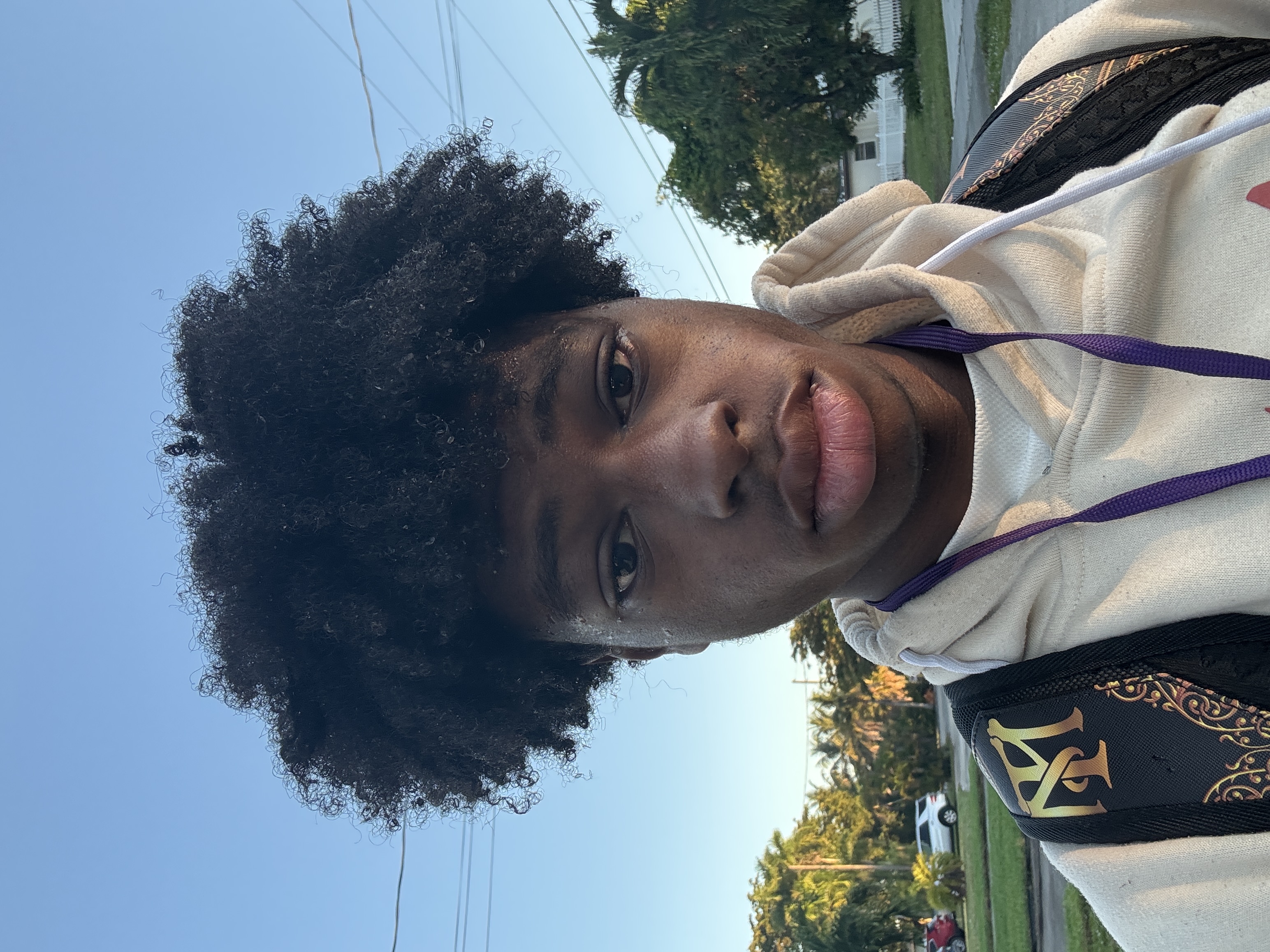
Marc Lherisson
Plantation, FL
Impaired driving is something most people hear warnings about, but it doesn’t always feel real until a situation hits close to home. My understanding of impaired driving changed completely after an experience involving someone I care about, and ever since then, the way I think about driving and the responsibilities that come with it has never been the same. Before that moment, I only thought of impaired driving in terms of alcohol. I didn’t fully understand how many other forms of impairment exist, like fatigue, distractions, stress, and drugs. But what I witnessed showed me that impaired driving goes far beyond the stereotype of someone drinking and getting behind the wheel. It made me more aware, more cautious, and much more serious about the choices I make before I ever turn the key in the ignition.
The event that changed everything for me happened when a close family friend got into an accident because he decided to drive while exhausted. He hadn’t consumed alcohol and he wasn’t using drugs, so at first I didn’t understand why the crash was labeled “impaired driving.” But hearing the details opened my eyes. He had been working two jobs at the time, barely sleeping four hours a night. One evening, while driving home, he closed his eyes “just for a second,” and that second was enough for his car to drift off the road. He survived, thankfully, but the crash left him injured and without a vehicle. What hit me the hardest was hearing him say that if someone else had been on that road at the same time, he could have killed them without even being awake to realize it.
Before that, I never thought about fatigue as a form of impairment. I used to assume that staying up late and then driving the next morning wasn’t a big deal. But once I learned how the brain works when it’s tired, and how reaction times are slowed almost the same way they are with alcohol, it completely changed the way I viewed tired driving. It made me realize that impairment is really anything that makes you less alert, less focused, or less capable of making quick decisions behind the wheel.
That incident shaped my awareness in a huge way. It made me understand that driving is not something you do automatically it's something that requires your full attention every single time. From then on, I started paying closer attention to my own habits. I noticed moments when I grabbed my phone at a stoplight, moments when I drove while stressed or emotional, or times when I tried to “push through” exhaustion because I didn’t want to be late. All of those things were forms of impairment, just like the scholarship prompt explains. They might not seem as serious as drinking, but they can be just as dangerous in the wrong moment.
Another thing this experience taught me is that impaired driving doesn’t only put the driver at risk it affects everyone around them. You’re responsible not just for your own life, but for the lives of people in other cars, people walking, and even people riding bikes or motorcycles. Realizing how easily someone innocent could have been hurt made me take driving much more seriously. It’s not just transportation; it’s a responsibility that requires maturity and self-control.
Because of what happened, I made a personal rule for myself: if I ever feel tired, stressed, emotional, or tempted to look at my phone, I stop and reset before driving. Sometimes I wait an extra ten minutes, drink some water, or call someone to talk to me while I’m on the road if I’m feeling tired. If I ever get the slightest feeling that I’m too distracted or upset to drive safely, I wait until I feel better. I also learned to speak up when someone else is driving impaired. Before, I felt awkward saying anything, especially to adults. Now, I will ask someone directly if they need me to drive instead, or if we should take a break before getting on the road.
This whole experience has influenced the type of driver I want to be. When I think about my future and the independence driving gives me, I want that independence to come with responsibility. I don’t ever want to put someone at risk because I wasn’t honest with myself about my own ability to drive safely. Driver’s education teaches us the rules of the road, but real-life experiences teach us why those rules matter. The accident taught me that impaired driving isn’t a joke, and the consequences are real even when the impairment doesn’t come from alcohol.
In the end, what changed my perspective the most was realizing how one small decision choosing to drive while tired could change someone’s life forever. That knowledge stays with me every time I step behind the wheel. It has made me a more aware driver, a more cautious person, and someone who understands that safety behind the wheel starts long before you put the car in gear.
Content Disclaimer:
Essays are contributed by users and represent their individual perspectives, not those of this website.



3 votes
An accident that made me aware that also time and impatience can be impairement
Karin Deutsch