2025 Driver Education Round 3
The Day Everything Changed: How One Crash Made Me a Safer Driver
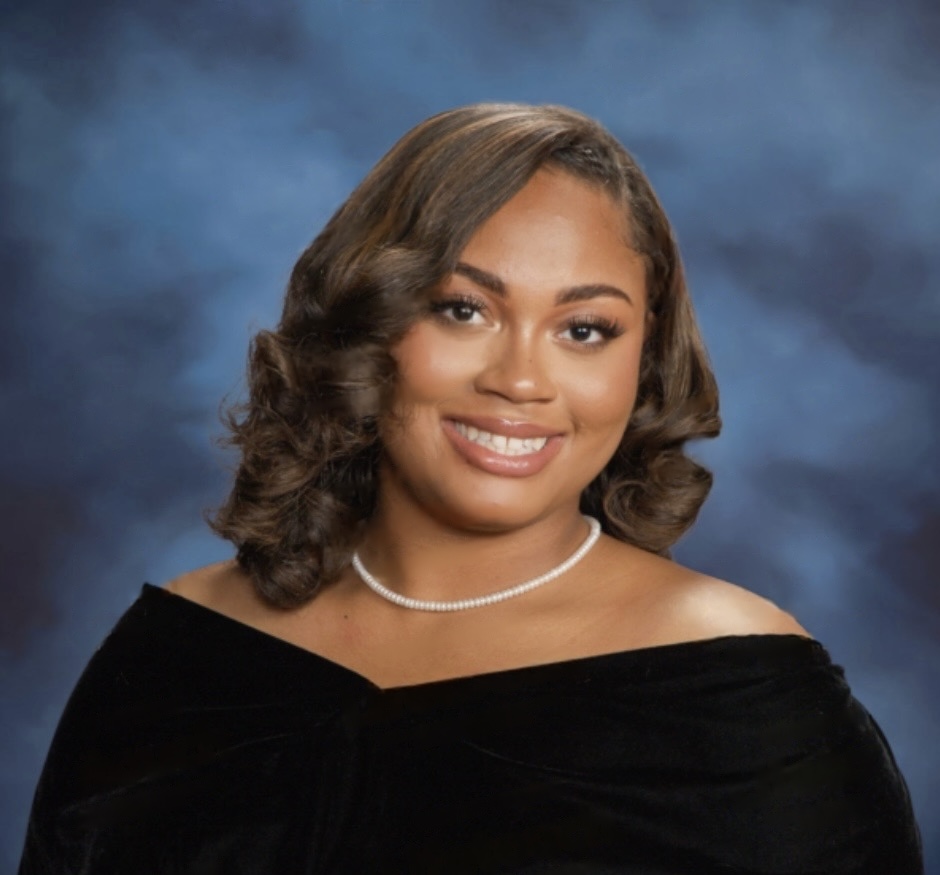
Sydney Woodard
Hampton, Virginia
Before I really understood the importance of safe driving, I used to treat driving like something casual—something I didn’t think twice about. I was a new driver, and like a lot of teens, I thought I was invincible behind the wheel. I would speed at times, take turns too quickly, and let small distractions pull my attention away from the road. I never thought about the real risks or how fast things could go wrong. To me, it all seemed harmless, until the day I witnessed a car crash that completely changed the way I view driving.
The crash happened on a normal afternoon. I wasn’t doing anything special—just riding in the car, heading home like any other day. But the moment it happened, everything slowed down for me. I saw two cars collide right in front of us. The sound was loud and sharp, the kind of noise that sticks with you long after it’s over. One car had run a red light, and the other car had no time to stop. The impact pushed both vehicles across the intersection, and for a second, everything felt unreal. I remember my heart pounding, my chest tightening, and this sudden feeling in my stomach like something had dropped.
Seeing people climb out of their cars shaken, injured, and confused made everything hit me at once. These weren’t “random drivers” from a video or a news clip. These were real people who probably woke up thinking their day would be normal. They probably had plans, places to be, families waiting on them. And in just a few seconds, all of that changed. Witnessing that moment forced me to think about how easily I could have been in their situation—or how easily I could have caused it if I kept driving the way I used to.
From that day on, I made a commitment to take driving seriously, not only for myself but for everyone else on the road. I realized that driving is a privilege, and every time I get behind the wheel, I’m responsible for my safety and the safety of others. Reckless driving isn’t just speeding or not paying attention; it’s a choice that can lead to lifelong consequences. That crash became the turning point that made me understand that the decisions I make behind the wheel matter every single time. I learned to slow down, both literally and mentally. Now, I stay aware of my surroundings, obey the speed limit, and avoid distractions as much as possible. I don’t grab my phone. I don’t try to multitask. I don’t rush through yellow lights or switch lanes to get somewhere a little faster. I also try to influence my friends and family to do the same. Whenever someone drives too fast or picks up their phone while driving, I speak up. Before, I probably would’ve ignored it. Now, I can’t. I’ve seen firsthand what can happen, and I don’t want anyone I care about to experience that. Driving has become something I respect. I understand how every small choice adds up—choosing to slow down, choosing to put the phone away, choosing to pay attention. Safe driving is not just about following rules; it’s about protecting lives, including my own. That experience taught me that accidents don’t just “happen.” They’re usually caused by someone’s mistake, someone’s risk, or someone’s moment of distraction. And if I can control my own actions, I can help prevent those mistakes. The crash also made me think deeply about responsibility. As a young adult heading into college, I know I’m entering a new stage of independence. Being a safe driver is part of that independence. It shows maturity, awareness, and respect for what could happen if I’m not careful. I don’t ever want to be the reason someone gets hurt. I don’t ever want to have regrets because I thought I could get away with reckless behavior. What I witnessed that day will stay with me forever, but in a way, I’m grateful for the lesson it taught me. It opened my eyes before something worse happened. It shaped me into a more responsible, thoughtful, and cautious driver. Safe driving is not just something that sounds good—it’s something that can save lives. And because of what I saw, I’m committed to doing my part every time I’m on the road.
Content Disclaimer:
Essays are contributed by users and represent their individual perspectives, not those of this website.



3 votes
An accident that made me aware that also time and impatience can be impairement
Karin Deutsch


