2025 Driver Education Round 3
The Effects of Alcohol on Driving
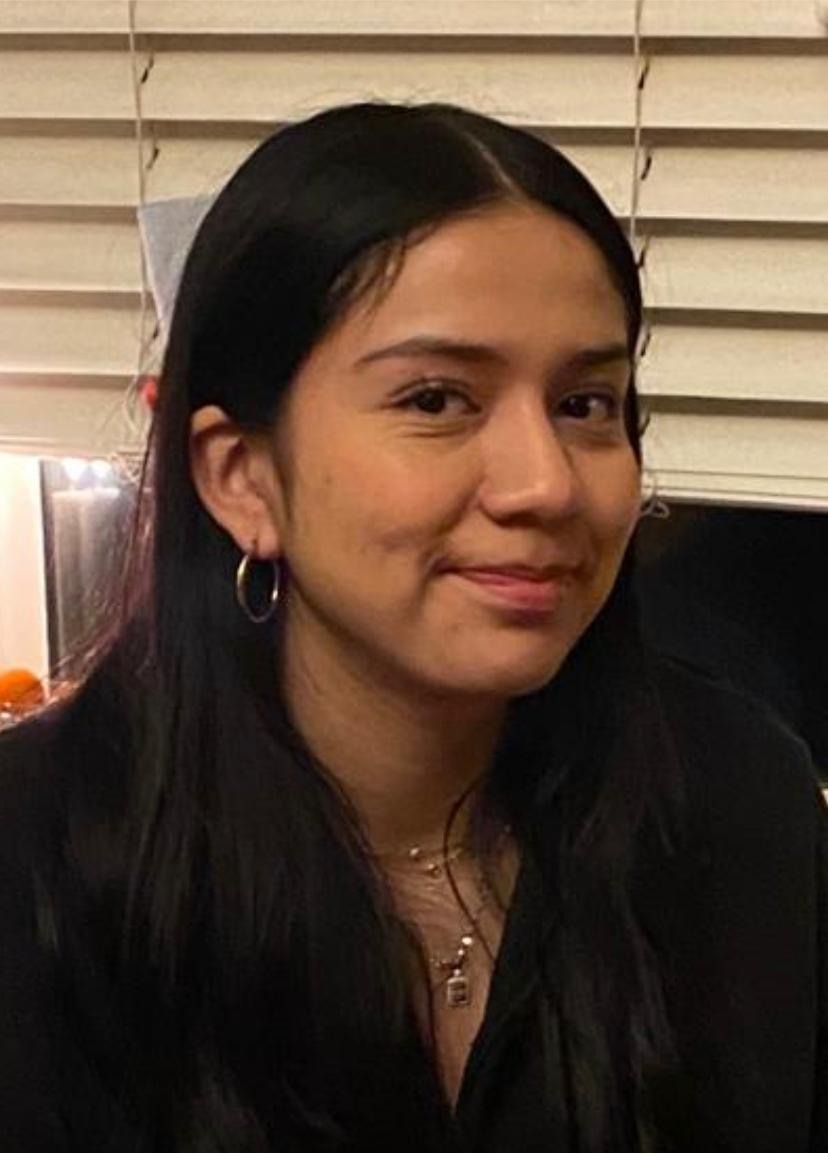
Joaquina Retamal
Riverton, Utah
When I think about what it really means to “drive under the influence of alcohol,” I don’t exactly picture the stereotype of a drunk person stumbling out of a bar. It feels… I don’t know, quieter than that. More subtle. Those tiny moments when even a small drink starts to blur things—not in a dramatic way, but just enough to make you trust yourself a little too much. A lot of people, honestly, rely too heavily on how they feel. They say, “I’m fine,” “It was just one,” and they believe it because nothing feels wrong. That kind of confidence is tricky; it fools you before you even realize anything’s off. And I’ve noticed that even people who’ve taken driving courses fall into the same trap experience doesn’t shield you from what alcohol does behind the scenes.
There’s one story I can’t forget. It happened years ago, and it still pokes at my mind from time to time. A family friend, his name was Miguel, a quiet, good guy died in a crash after what he insisted were “just a couple of drinks.” Everyone who knew him said the same thing: he didn’t seem drunk at all. Maybe they were right. But alcohol had already dimmed something inside him. He missed a curve on a road he drove every single day, almost without thinking. That detail—losing control in a place he knew by heart changed how I look at the whole issue. Now, whenever someone jokes, “Relax, it was only one beer,” I feel this little knot in my stomach, because I’ve seen how tiny choices can shift everything.
I honestly believe traffic education can help, but only if it goes beyond the typical rule-book approach. Reading limits and laws is fine, but it doesn’t hit you where it matters. What actually lands at least from what I’ve seen are the real stories, the simulators that mess with your reaction time, the videos that show how your vision narrows without you noticing. Those things create something more emotional, almost like a wake up call. When you feel the risk instead of just hearing about it, it becomes easier to make better decisions: choosing a sober driver, planning a ride before going out, or simply saying, “You know what? I’m not drinking tonight; I’m driving.”
In my own life, I try imperfectly, of course to talk about this with the people close to me. Family, friends, anyone who will actually listen. I’ve learned that living what you say matters far more than long speeches. If people see you consistently avoiding alcohol when you’re going to drive, the message spreads quietly. No pressure, no lecturing just example.
Also, another thing that’s honestly just as dangerous, maybe even more than people admit, is picking up your phone to read or write a text while driving. It sounds harmless when you think about it for a second. People say things like “Just one quick message,” or “Let me check this notification,” or “It’ll only take a moment.” But that moment, that tiny moment, is exactly where everything can go wrong. The second your eyes drop to the screen, the world keeps moving without you. Cars still brake, kids still cross the street, lights still change. And you’re not really there to react.
What scares me the most is how normal this behavior has become. I’ve seen people do it at stoplights, on the highway, even in school zones. Some drivers say they’re great at multitasking, but deep down we all know that’s not true. Driving doesn’t pause just because you’re typing “On my way.” Your attention jumps back and forth, and every jump creates a blind spot that you don’t notice until it’s too late.
For me, putting the phone away has become a small personal rule. Sometimes I toss it in the back seat or flip it face-down so I’m not tempted. It’s not about being perfect; it’s about being present. And when the people around you see that you’re trying, whether it’s your kids, your friends, or anyone riding with you, they start rethinking their own habits too.
Safety isn’t one big dramatic action. It’s built on tiny decisions we make every day, the quiet ones that no one really pays attention to. But they matter. They matter a lot. And choosing not to text while driving is one of those decisions that can truly save a life, maybe even your own.
Driving, at the end of the day, is something we do almost without thinking, but it carries a responsibility we sometimes forget. Choosing not to drink before getting behind the wheel seems like such a small thing, almost insignificant, but it really isn’t. It’s the kind of choice that can protect not just you, but everyone around you. And if more of us understood that not as theory, but in a real, personal way I’m pretty sure our roads would feel a lot safer than they do now.
There’s one story I can’t forget. It happened years ago, and it still pokes at my mind from time to time. A family friend, his name was Miguel, a quiet, good guy died in a crash after what he insisted were “just a couple of drinks.” Everyone who knew him said the same thing: he didn’t seem drunk at all. Maybe they were right. But alcohol had already dimmed something inside him. He missed a curve on a road he drove every single day, almost without thinking. That detail—losing control in a place he knew by heart changed how I look at the whole issue. Now, whenever someone jokes, “Relax, it was only one beer,” I feel this little knot in my stomach, because I’ve seen how tiny choices can shift everything.
I honestly believe traffic education can help, but only if it goes beyond the typical rule-book approach. Reading limits and laws is fine, but it doesn’t hit you where it matters. What actually lands at least from what I’ve seen are the real stories, the simulators that mess with your reaction time, the videos that show how your vision narrows without you noticing. Those things create something more emotional, almost like a wake up call. When you feel the risk instead of just hearing about it, it becomes easier to make better decisions: choosing a sober driver, planning a ride before going out, or simply saying, “You know what? I’m not drinking tonight; I’m driving.”
In my own life, I try imperfectly, of course to talk about this with the people close to me. Family, friends, anyone who will actually listen. I’ve learned that living what you say matters far more than long speeches. If people see you consistently avoiding alcohol when you’re going to drive, the message spreads quietly. No pressure, no lecturing just example.
Also, another thing that’s honestly just as dangerous, maybe even more than people admit, is picking up your phone to read or write a text while driving. It sounds harmless when you think about it for a second. People say things like “Just one quick message,” or “Let me check this notification,” or “It’ll only take a moment.” But that moment, that tiny moment, is exactly where everything can go wrong. The second your eyes drop to the screen, the world keeps moving without you. Cars still brake, kids still cross the street, lights still change. And you’re not really there to react.
What scares me the most is how normal this behavior has become. I’ve seen people do it at stoplights, on the highway, even in school zones. Some drivers say they’re great at multitasking, but deep down we all know that’s not true. Driving doesn’t pause just because you’re typing “On my way.” Your attention jumps back and forth, and every jump creates a blind spot that you don’t notice until it’s too late.
For me, putting the phone away has become a small personal rule. Sometimes I toss it in the back seat or flip it face-down so I’m not tempted. It’s not about being perfect; it’s about being present. And when the people around you see that you’re trying, whether it’s your kids, your friends, or anyone riding with you, they start rethinking their own habits too.
Safety isn’t one big dramatic action. It’s built on tiny decisions we make every day, the quiet ones that no one really pays attention to. But they matter. They matter a lot. And choosing not to text while driving is one of those decisions that can truly save a life, maybe even your own.
Driving, at the end of the day, is something we do almost without thinking, but it carries a responsibility we sometimes forget. Choosing not to drink before getting behind the wheel seems like such a small thing, almost insignificant, but it really isn’t. It’s the kind of choice that can protect not just you, but everyone around you. And if more of us understood that not as theory, but in a real, personal way I’m pretty sure our roads would feel a lot safer than they do now.
Content Disclaimer:
Essays are contributed by users and represent their individual perspectives, not those of this website.


3 votes
An accident that made me aware that also time and impatience can be impairement
Karin Deutsch