2025 Driver Education Round 3
The Moment That Changed the Way I See the Road
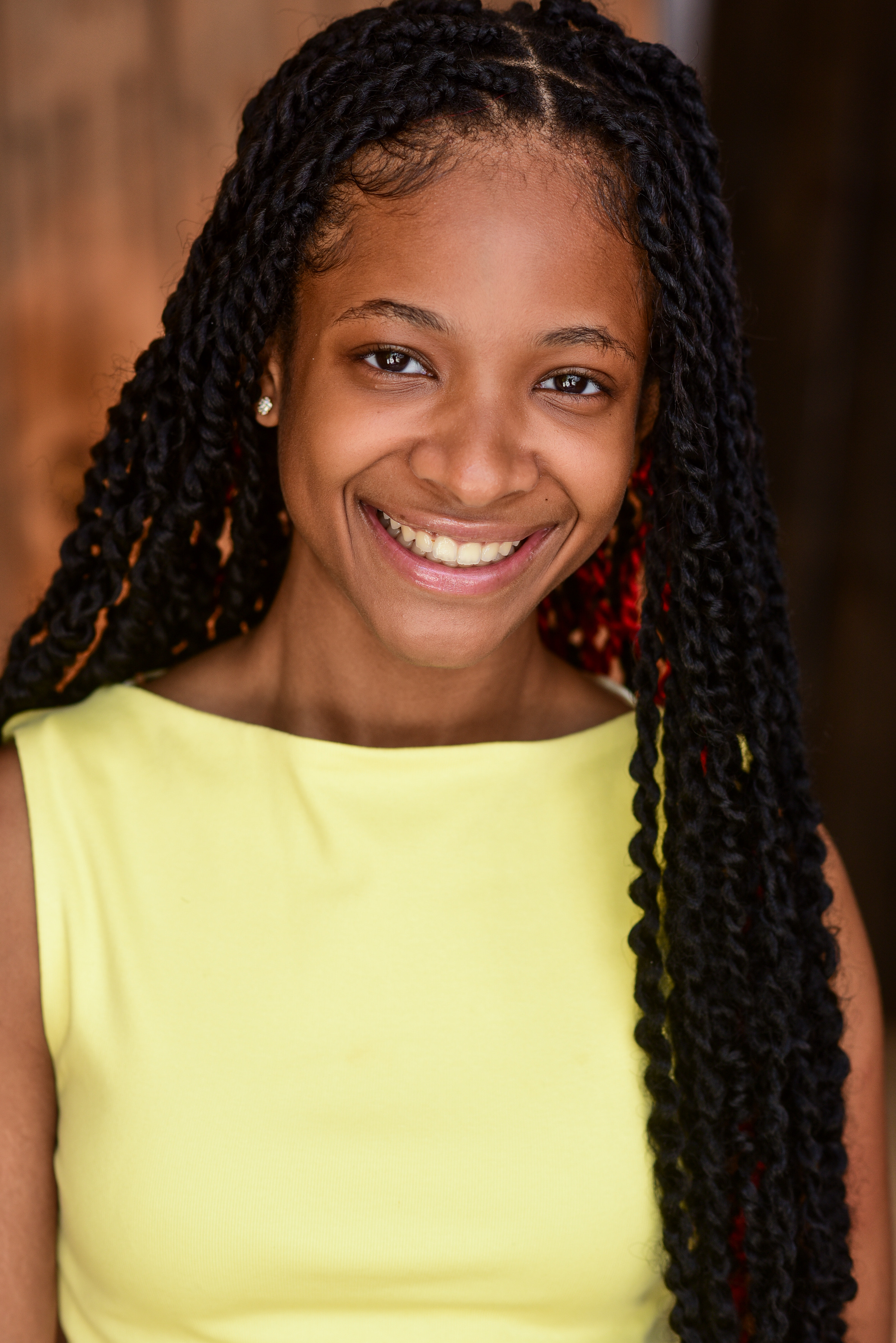
Alaya Haywood
Baldwin, NY
I was seven and a half when the car my family was riding in was hit. I remember the sound before anything else, that sharp crack of metal folding, like the world snapping in half. I remember the jolt, the air leaving my chest, and the way my knees slammed forward. I remember looking around, confused and scared, realizing that nothing about being inside a car would ever feel the same again.
Back then, I didn’t know the words “impaired driving.” I didn’t know that someone could be behind the wheel tired, distracted, or under the influence. I didn’t know that a driver’s split second of carelessness could change a child’s life for years. But I understood something: harm can come out of nowhere. And some harms stay with you long after the moment is over.
I’m eighteen now, and I still have back and knee problems from that accident. I still wake up with stiffness some mornings, and I still feel the ache when I walk around campus. I carry the physical reminders of a crash caused by someone who should not have been behind the wheel. Because of that moment, impaired driving to me is not a category or a definition. It is personal. It is the reason I learned early that responsibility behind the wheel is not optional.
I also understand now why impaired driving is so misunderstood, even by people who have completed driver’s ed or traffic school. People assume impairment only means drinking and driving. But impairment comes in so many forms: being tired, being on a phone, being stressed, losing focus even for a moment. And most drivers tell themselves the same lie. “I’m only checking my GPS.” “I’m tired but I’ll be fine.” “I’ve driven like this before.” The person who hit us probably told themselves the same thing.
What people don’t realize is that those tiny lapses in judgment can create life-changing consequences. A text takes your eyes off the road long enough to drift into another lane. Fatigue slows your reaction time more than alcohol. Stress narrows your attention so much that you miss what is directly in front of you. In my accident, it was distraction. Someone not paying attention long enough to put children in danger. I was too young to understand that, but now I do. Impairment is not always dramatic. Sometimes it is ordinary. And that makes it even more dangerous.
My accident shaped the way I act in cars today. I don’t let anyone drive distracted around me. I check my surroundings constantly. I speak up when something feels unsafe. I am that friend who says “text me when you get home,” and I mean it. When I took driver’s ed, I didn’t take those courses lightly, because I knew what it meant to be on the other side of someone else’s mistake. Those lessons helped me understand timing, spacing, awareness, and the responsibility that comes with being behind the wheel. They also gave me the vocabulary to explain what I had lived through as a child: how impairment steals seconds, and how seconds can change everything.
Driver’s education helps prevent impaired driving because it does more than list rules. It teaches consequences, responsibility, and awareness. It trains people to understand the weight of the choices they make every time they start a car. Not everyone will experience what I experienced, and I pray they don’t. That is why these programs matter. They bring real life into the classroom before real life can hurt someone.
The role I play in preventing impaired driving starts with sharing my story. When I tell people what happened to me, they listen differently. When I talk about the injuries I still deal with, they understand impaired driving is not a distant issue. It lives in our bodies, in our memories, and in our decisions. I can influence friends, family, classmates, and even the next generation of drivers by speaking up, modeling safe behavior, and refusing rides that feel unsafe. Change starts with everyday choices, and I take that seriously.
Right now, I am facing a different challenge in my life. I don’t know how I am going to afford my second semester at Howard University. Howard is the first place where I’ve felt surrounded by people who share my ambition, creativity, and drive. But I am expected to cover a balance in the spring, and without support, I don’t know how I will return. This scholarship would not just help me pay a bill. It would keep me in school. It would keep me moving toward the future I have fought to build despite everything I’ve been through.
Higher education is helping me turn painful experiences into purpose. It is teaching me how to use my voice, how to communicate, how to lead, and how to make an impact in my community. Receiving this scholarship would allow me to stay on that path and become the inspirational success story I am working toward. I want to be proof that you can experience hardship, carry the lasting scars, and still rise. I want to be the person who turns a childhood accident into a lifelong mission to keep others safe.
That is why I am applying. That is why this scholarship matters to me. And that is why I am committed to using my knowledge, my training, my story, and my education to prevent impaired driving and protect lives.
Content Disclaimer:
Essays are contributed by users and represent their individual perspectives, not those of this website.



3 votes
An accident that made me aware that also time and impatience can be impairement
Karin Deutsch


