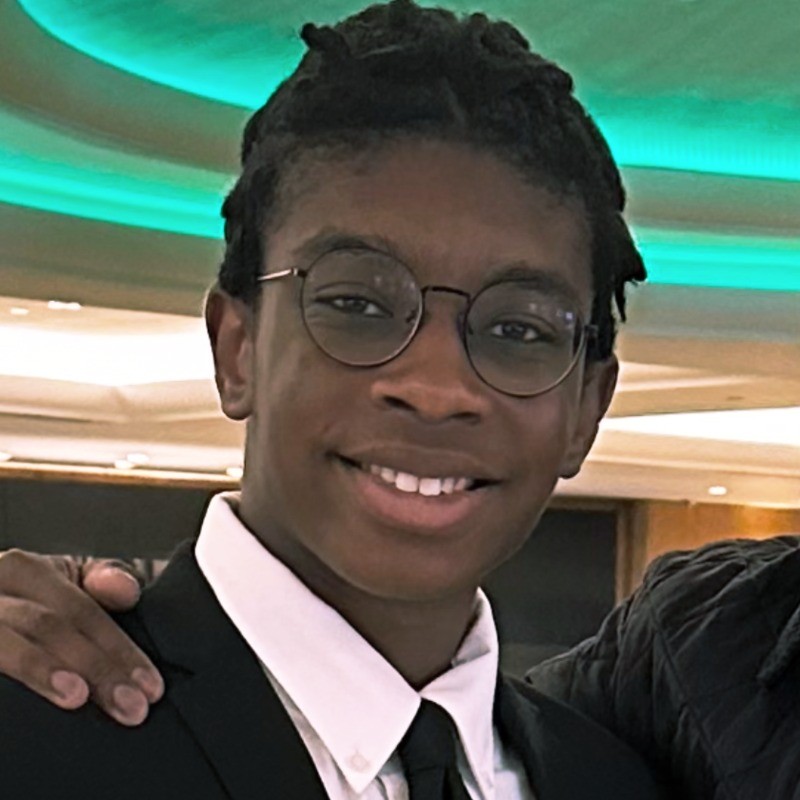
To me, impaired driving means putting lives at risk. Whether through distracted driving, drunk driving, driving while fatigued, or any other conditions that can impair a driver, the consequences can range from costly damages to the complete destruction of lives. What makes this issue particularly striking is that preventing impaired driving often requires only simple actions from each individual.
A common misunderstanding of impaired driving stems primarily from the reality that most drivers do not view forms of impaired driving beyond drunk driving as equally dangerous. For example, while studying for the Washington, D.C. permit test, I noticed numerous questions focused on blood-alcohol limits, legal consequences, and compliance with law enforcement, but far fewer addressed distracted or fatigued driving. This imbalance can give the impression that other forms of impaired driving are less serious, putting road safety at a serious risk.
The two most common types of impaired driving are distracted driving—often caused by using a phone—and drunk driving. Hundreds, if not thousands of lives have either been forever changed or lost because of a distracted driver. According to the Federal Communications Commission (FCC) in 2023, over 300,000 people were injured in distracted driving incidents, and between the years of 2014 and 2023, 32,000 lives were lost. In addition, drunk driving is responsible for an average of 34 deaths every day, according to the National Highway Traffic Safety Administration (NHTSA). Distracted driving drastically increases the likelihood of a crash, while drunk driving impairs the brain's reaction and critical thinking, making driving safely or obeying traffic laws extremely difficult.
According to the NHTSA, texting while driving is like traveling a football field blindfolded; just a quick glance at your phone or a momentary turn from the road can become a life-or-death mistake. A few months ago, I was sitting in the front seat of my dad’s Jeep on what seemed like any other day. Little did I know, in a single moment on our ordinary drive home, my understanding of distracted driving would change forever. While stopped at an intersection, our entire truck jolted forward and I slammed my head hard on the headrest. My dad immediately got out of the car and asked the driver what happened. Moments later, we learned the driver behind us had been looking at his phone. A single moment of distraction was all it took to wreck the back bumper of my dad’s Jeep. Experiencing the consequences of someone else’s distraction firsthand made me realize how dangerous impaired driving can be and how quickly a single mistake can turn into a serious accident.
Driver’s education and traffic school courses can change attitudes and behaviors around impaired driving by emphasizing the real dangers, not just rules of the road. Knowing regulations and road rules are insufficient and ineffective against drunk or distracted drivers. Programs are most effective when paired with factual instruction consisting of personal, real-world stories, making the consequences tangible and memorable. For example, Casey Feldman, a 21-year-old woman, lost her life to a distracted driver in 2009. Her father, Joel Feldman, shared in a video: “I can’t hold or hug Casey, or hear her laugh and sing and say ‘Daddy.’ I can’t see her graduate from college, watch her find a satisfying career, give her away on her wedding day, or be there when she has children. I can’t take pride in her achievements and watch as she faces all the joys and sorrows that life has to offer—that she had every right to face.” Stories like these illustrate the profound impact of impaired driving and can resonate more deeply than statistics alone.
By combining personal accounts with clear explanations of the risks, driver’s education programs can help learners internalize the dangers of impaired driving. This approach can both inform and motivate safer driving behaviors, creating a lasting impact making it more probable that students will apply these lessons in real-world situations.
Mitigating impaired driving begins with individual responsibility. While I don’t drive yet, I plan to practice safe driving habits when I do, and as a passenger, I will actively encourage and advocate for safe behaviors while I am in the car. By speaking up against distractions and discouraging impaired driving from the use of alcohol or drug use, I hope to influence others to make safer choices. Additionally, my knowledge of the real risks and consequences of impaired driving, allows me to share compelling facts and stories with my peers, hopefully aiding them to truly consider their ability to safely drive prior to sitting behind the wheel.
Content Disclaimer:
Essays are contributed by users and represent their individual perspectives, not those of this website.



3 votes
An accident that made me aware that also time and impatience can be impairement
Karin Deutsch


