2025 Driver Education Round 3
The Price of a Text
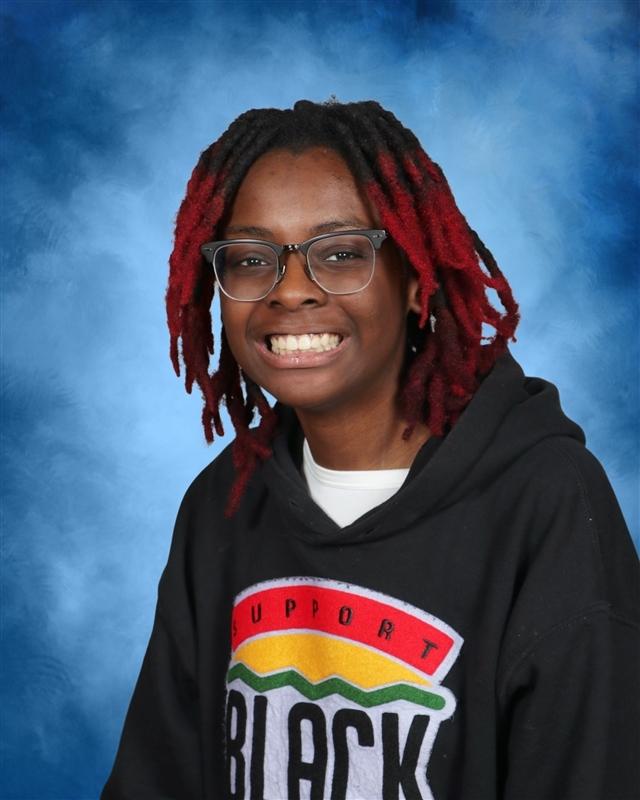
Solim Dawa Kodom
Lexington, South Carolina
The statistics on distracted driving are cold and abstract; static numbers on a screen representing tragedies happening to anonymous people on distant highways. For years, I treated those numbers with the same detachment, viewing my own habits, such as glancing down to read a text or having the twenty-second distraction to adjust a playlist, as harmless exceptions to a universal rule. That perspective was shattered three years ago, leaving behind a raw personal scar and a persistent terror that haunts my childhood friend. Distracted driving did not just reshape my relationship with her; it fundamentally changed me to my core, forcing a painful understanding of the price paid for a moment of impatience.
Lani was the fastest person I knew, both literally and figuratively. She was a runner for our track team with a fiercely competitive personality, arguably to a fault. She was not just my closest friend; she was my confidant, an inseparable platonic soulmate who defined my life. We grew up two houses away from each other, there was never a time when I could remember my life without her. Lani was the one who dragged me out late in the evening to race her down the street; she probably liked that I was not athletic enough to keep up with her. Her personality was shaped by a relentless focus and an almost contagious joy, which manifested in a loud, unrestrained laugh that could cut through any quiet room.
Her life changed forever on a Friday, riding in the passenger seat. Her boyfriend was speeding down an empty road, texting in our group chat. When he looked up, he missed a sign and sent the car spinning into a concrete wall. The airbag saved him, but not Lani. She was paralyzed from the chest down.
The consequences unfolded with cruelty, and the initial shock gave way to the horrifying reality of her new life. Gone were the hours we spent running loops on the track; now, our time was spent navigating physical therapy and the frustrations of inaccessibility that we blissfully overlooked before. My role shifted to helping her perform tasks that, in any other context, would have felt infantilizing: helping her adjust her clothes, feeding her when moving her arms took a toll, or balancing her to walk. The hardest thing to witness was the erosion of her identity, the spark in her eyes being replaced by a quiet, consuming despair.
But the most brutal consequence was the betrayal. Less than two months after the crash, her boyfriend was unable to cope with the reality of her disability and broke up with her. The loss of her independence, her dreams, and her relationship sent Lani into a mental health crisis. Her depression deepened to the point where her safety became a constant fear. I spent countless nights sleepless, checking my phone every hour, consumed by the fear that she might act on her darkest thoughts. The accident had not just broken her spine; it had placed an emotional burden on her, a burden that a single text from her ex-boyfriend had initiated.
This reality forced me to confront my own dangerous hypocrisy. I remembered laughing off the times I nearly swerved while typing a quick text or adjusting a playlist. The sheer terror of what had happened to Lani shook me to my core. For months, I refused to drive, paralyzed by the fear that I would have the same momentary lapse and inflict the same, irreversible damage on someone else. It took therapy and immense effort to drive again, and even now, the ghost of that almost fatal distraction sits silently in my passenger seat. A permanent reminder that the cost of convenience could be infinite.
What happened to Lani underscores the need for impactful awareness campaigns targeting young drivers, especially those whose sense of invincibility overrides caution. Traditional campaigns often fail because people filter them out as cliché or view them with the same level of detachment that once applied to me. We need thoughtful ideas that speak directly to the emotional core of people.
To combat the sense of immunity young drivers feel, I thought of a mandatory VR simulation titled “Moment of Silence.” This would not be a simulation of a crash, but the aftermath and long-term emotional damage. The player would play the role of a distracted driver with a passenger sitting beside them. The experience would begin with a notification sound on the player’s phone, requiring them to look down. They would not have time to process that the car was swerving to the wrong lane or the alarmed honking from the other vehicle until it is too late, and then it abruptly cuts to a cold hospital room. The player would then experience a series of simple but unsettling tasks: trying to feed the victim, pushing a wheelchair through an inaccessible door, watching the light of the passenger’s eyes slowly fade into hopelessness, and finally, listening to a sixty-second audio recording from the victim that was recorded years later, reflecting on the life they lost. The emotional weight of carrying guilt and witnessing the broken future is far more impactful than the fear of one’s own injury. This exemplifies the cost of distraction by making the viewer responsible for the resulting pain.
This idea moves beyond mere warning to offer a direct, preemptive experience. It creates a sense of pre-commitment, where a decision is made before an impulse arises, making the driver less likely to reach for a phone or device mid-drive. The fight against distracted driving is a fight for Lani’s ability to live her life in peace, for my own ability to sleep without fear, and for the countless young lives currently being risked by a text that simply can not wait. The solution demands not just better laws, but original ideas that challenge the casual arrogance of distracted driving and replace it with a personal understanding of the price of a text.
Content Disclaimer:
Essays are contributed by users and represent their individual perspectives, not those of this website.



3 votes
An accident that made me aware that also time and impatience can be impairement
Karin Deutsch


